
Living on Earth: September 4th, 2009
Air Date: September 04, 2009
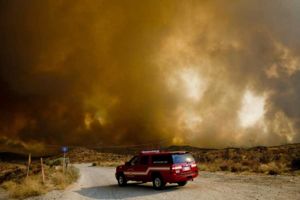
The smoke from California wildfires can have serious health consequences even for people who don’t consider themselves at risk. Living on Earth’s Ingrid Lobet spoke with two medical experts and has our report.
EPA’s Chemical Delay
6 min read · 8 min listen

The Environmental Protection Agency has been slow to begin screening chemicals that could disturb the body's hormonal system. Thirteen years have passed without the agency testing a single chemical for the mandated Endocrine Disruptor Screening Program, and some worry that common exposures to substances like bisphenol-A could be bad for public health. Former EPA scientist Tracey Woodruff talks with host Steve Curwood about what the EPA is and isn't doing to protect the public from harmful chemicals.
Heart Of Dryness
7 min read · 9 min listen
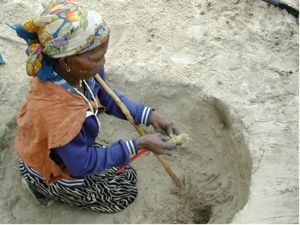
The government of Botswana has stopped all water deliveries to the Kalahari Desert in an effort to drive indigenous Bushmen off their land. In the book “Heart of Dryness,” author James Workman recounts how the Bushmen conserve, share and trade water to persevere against an arid landscape. As he tells host Steve Curwood, lessons from the Bushmen can help us survive future water shortages.
Low Dose Makes the Poison
6 min read · 8 min listen

Modern toxicology doesn't typically test chemicals for what they do at low doses. But, sometimes, small amounts of substances can be harmful to human health, especially when it comes to the hormone-mimicking chemicals known as endocrine disruptors. Pete Myers, chief scientist of Environmental Health Sciences, talks with host Jeff Young about what tiny exposures of common chemicals do in our body, and why regulatory agencies don't test low doses
Meet your Meat
3 min read · 4 min listen
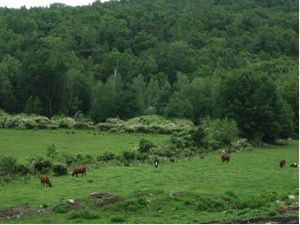
Chestnut Farm in Hardwick, Massachusetts raises free-range animals and sells shares to members in exchange for a weekly supply of meat. Living on Earth’s Lisa Song took the farmers up on their offer to give participants a chance to tour the farm and “meet the meat.”
Robins and West Nile Virus
5 min read · 6 min listen

In the last ten years, the West Nile Virus has become the most commonly contracted, mosquito-transmitted virus in the Western Hemisphere. Scientists are trying to figure out how and why the infection has spread so quickly. In Connecticut, researchers discovered that the American Robin is the primary host. Producer Laurie Sanders went out with a group of scientists who are counting robins and trapping mosquitoes to find out more about West Nile.
Smoke Gets Under Your Skin
5 min read · 6 min listen

Everyone knows that smoking is bad for your health. But new research shows that it may be worse for smokers with dark skin. Dr. Gary King at the Penn State University has discovered a binding between nicotine and melanin. Living on Earth’s Ike Sriskandarajah reports.
Tensions High for the Kalahari Bushmen
7 min read · 10 min listen
The Bushmen of the Central Kalahari Game Reserve in Botswana are fighting to remain on their ancestral land and continue their traditional way of life. Rupert Isaacson, author of “The Healing Land: The Bushmen and the Kalahari Desert,” tells Living on Earth host Steve Curwood that the government is stepping up its efforts to relocate the Bushmen because of an impending court case challenging the so-called “forced removals.” We’ll also hear from John Moreti, deputy ambassador of the Embassy of the Republic of Botswana, who says the Bushmen were never forcibly relocated.
The Man in the Middle
7 min read · 9 min listen

Pennsylvania Senator Arlen Specter switched parties; now, he's rethinking his position on climate change. Specter tells host Jeff Young he's open to a more aggressive approach to cutting greenhouse gases. We'll visit the Keystone State to find out where this key political player stands on global warming.
Where There’s Fire, There’s Smoke
4 min read · 6 min listen
The smoke from California wildfires can have serious health consequences even for people who don’t consider themselves at risk. Living on Earth’s Ingrid Lobet spoke with two medical experts and has our report.