
Note on Emerging Science
Air Date: March 05, 2010
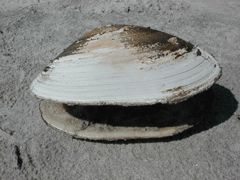
Researchers find naturally occurring laughing gas in clam bellies... but as Liz Gross reports the impact on the climate is not so funny.
Transcript
YOUNG: It’s Living on Earth, I’m Jeff Young. Coming up – the veterans who are victims of Gulf War illness get some overdue attention – but first this Note on Emerging Science from Liz Gross.
SCIENCE NOTE THEME
GROSS: Laughing gas can make a dental patient happy as a clam. But scientists were not so happy to find clams belching out this powerful greenhouse gas. A recent study by Danish and German biologists analyzed digestion in a number of aquatic bottom feeders, including mollusks and insect larvae. The belly gas of these invertebrates contained levels of laughing gas – or nitrous oxide – that surprised the scientists.
Nitrous oxide is the fourth largest contributor to global warming. Pound for pound, this gas traps 310 times as much heat as carbon dioxide. While burning fossil fuels is the most common source of nitrous oxide emissions, worms living in nitrogen-rich soil also release the gas. The recent study though was the first to measure the emissions from animals living in rivers, streams and oceans.
But the researchers found it's not the clams themselves that release the gas – it's their lunch. These animals feed on sediment full of nitrogen-hungry bacteria. And thanks to runoff from fields treated with chemical fertilizer, there are plenty of nitrates out there. Usually, the bacteria don't break down these nitrates. But in environments with no oxygen, like the belly of a clam or a snail, they do – releasing laughing gas in the process.
With demand for nitrogen fertilizer increasing, and global greenhouse gas emissions going up, nitrous oxide in mollusk burps is no laughing matter. That's this week's note on emerging science. I'm Liz Gross.
END SCIENCE NOTE THEME