Living on Earth: May 14th, 2010
Air Date: May 14, 2010
BP is using hundreds of thousands of gallons of dispersants to keep the Gulf oil slick from reaching the coast. But there is little data on the ecological impacts of these chemicals. Host Jeff Young talks with Dr. Nancy Kinner of the University of New Hampshire’s Coastal Response Research Center about why important questions about dispersants remain unanswered.
Climate Bill Hits Capitol Hill
6 min read · 8 min listen
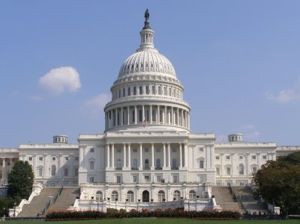
Senators John Kerry and Joe Lieberman unveil a long-awaited climate bill which places a cap on greenhouse gas emissions, and encourages states to support offshore oil and gas drilling. Living on Earth's Mitra Taj reports on the Senators’ attempts to get both industry and environmental lobbies on common ground with the American Power Act.
Cool Fix: Algae from Wastewater
2 min read · 3 min listen
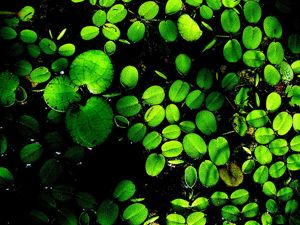
Algae is a promising source of renewable fuel, but producers often use greenhouse gas-producing fertilizers to feed their aquatic crops. Living on Earth’s Bridget Macdonald reports on the potential for using wastewater as an alternative for growing algae.
Earth Poetry
3 min read · 4 min listen
William Wordsworth wrote that poetry is emotion recollected in tranquility. Poet Natasha Trethewey opens the door to a memory of her mother, in her poem "Liman." And poet Ross Gay celebrates the redbud tree.
Gulf Spill Impacts Ecosystem Services
6 min read · 7 min listen
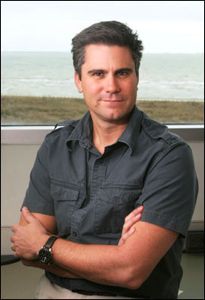
Much attention has been paid to the detrimental effects that the Gulf oil spill will have on the fishing industry. But David Yoskowitz says other monetary impacts are not as easy to calculate. Professor Yoskowitz is a researcher of Gulf of Mexico Studies at Texas A&M University Corpus Christi. He tells host Jeff Young about the financial damages expected from the loss of ecosystems such as marshes and wetlands.
Making a Novel out of an Anthill
8 min read · 11 min listen
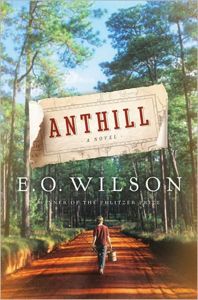
E.O. Wilson is a two-time winner of the Pulitzer Prize for non-fiction and a world famous biologist. Now in his eighth decade, he took on a new challenge: writing a novel. Wilson talks with host Jeff Young about "Anthill," a work of fiction that was inspired by his childhood.
Pushing the Envelope for Clean Air
4 min read · 6 min listen
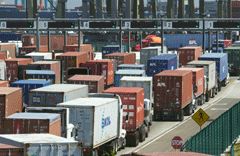
The Port of Los Angeles is the largest seaport in the United States and a major source of diesel pollution. It wants to turn drivers into employees so the burden of buying new clean trucks falls on companies and not on low-income drivers. As Living on Earth’s Ingrid Lobet reports, the issue is now before a federal judge.
Splitting the Difference
2 min read · 3 min listen
Secretary of the Interior Ken Salazar is reorganizing the Minerals Management Service, the government agency responsible for overseeing offshore drilling. He wants to divide the agency in two: one arm to collect royalties and the other to enforce safety rules.
The Dispersant Discussion
6 min read · 8 min listen
BP is using hundreds of thousands of gallons of dispersants to keep the Gulf oil slick from reaching the coast. But there is little data on the ecological impacts of these chemicals. Host Jeff Young talks with Dr. Nancy Kinner of the University of New Hampshire’s Coastal Response Research Center about why important questions about dispersants remain unanswered.
The Freshest Food in the Hood
5 min read · 7 min listen
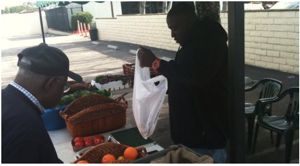
Obesity, diabetes, and high cholesterol all disproportionately affect the African American community. Studies show that a lack of access to fresh fruits and vegetables is often a major factor. Planet Harmony’s King Anyi Howell visits a farmer’s market in Los Angeles’ Crenshaw neighborhood that’s working to make vegetables more accessible. The farmers are finding that making vegetables available may be easier than getting customers to buy them.