Living on Earth: July 9th, 2010
Air Date: July 09, 2010
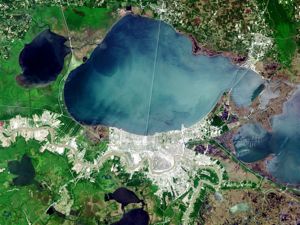
The oil in the Gulf of Mexico has now spread to the shores of all the Gulf States. And, for the first time, tar balls have been confirmed in the southeastern portion of Lake Pontchartrain, an inland lake that abuts the city of New Orleans. Host Jeff Young talks with Robert Thomas, chair of environmental communications at Loyola University, about the significance of this spread — both ecologically and culturally.
A Place Called Home
8 min read · 10 min listen
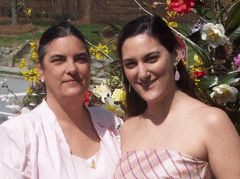
The strong sense of place that Kate, Mary Kate and Katie, three generations of women from one family, experience when they go to their lake house in Connecticut inspired each of them to write poetry. When they heard about the EPA’s Rachel Carson Sense of Wonder contest, the women combined their poems into one. Host Jeff Young talks with the women about their winning poem, A Place of Peace.
Acid Rain is Back
5 min read · 7 min listen
In the 1970s and ‘80s, sulfur dioxide pollution from industry and transportation were the principle causes of acid rain. The Clean Air Act dramatically reduced those sources. But now, as Dr. William Schlesinger, president of the Cary Institute for Ecosystem Studies, explains to host Jeff Young, acid rain has returned and it’s coming from nitrogen emissions produced by agriculture.
EPA Orders Power Plants to Clean Up
5 min read · 7 min listen
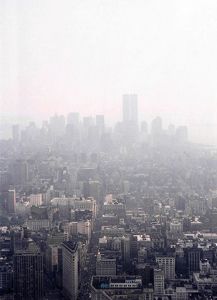
The EPA has rewritten its rule to force deep cuts in sulfur dioxide and nitric oxide emissions from power plants, a move expected to save tens of thousands of lives and billions of dollars every year. Host Jeff Young talks with University of Maryland Law Professor Bob Percival about the mounting science on smog and soot's health impacts, and why the regulation has been so tough to put in place.
Lake of Significance
5 min read · 7 min listen
The oil in the Gulf of Mexico has now spread to the shores of all the Gulf States. And, for the first time, tar balls have been confirmed in the southeastern portion of Lake Pontchartrain, an inland lake that abuts the city of New Orleans. Host Jeff Young talks with Robert Thomas, chair of environmental communications at Loyola University, about the significance of this spread — both ecologically and culturally.
Listener Letters
2 min read · 2 min listen
We asked our listeners to suggest words or phrases to describe the BP Gulf disaster and the results are in. How about: Oil vey, we’re in a drill pickle?
Science Note/Aquatic Insects and Solar Panels
2 min read · 2 min listen
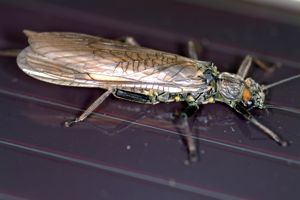
Researchers have observed some aquatic insects laying their eggs on solar panels instead of in water. As Living on Earth’s Meghan Miner reports, this could lead to a decrease in insect populations where solar panels are prevalent.
Seeing the Forest for its Bugs
6 min read · 8 min listen
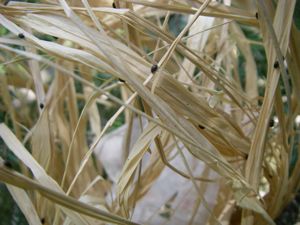
The hemlock wooly adelgid is eating its way up the East Coast's hemlock forests. Now researchers are fighting back with tiny beetles. Emily Guerin joined an entomologist in York, Maine to see how the forest is faring.
Senate Seat Showdown
6 min read · 8 min listen

California’s three-term Senator Barbara Boxer is one of the state’s strongest environmental lawmakers. Now, she’s facing stiff competition from one of the nation’s top female CEOs. Their differences on environment issues are stark. Living on Earth’s Ingrid Lobet reports.
Whale Sharks in the Gulf
5 min read · 7 min listen
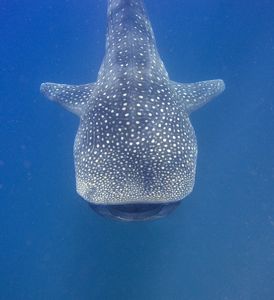
The world's largest fish has been spotted swimming through crude oil in the Gulf of Mexico. Host Jeff Young speaks with Bob Hueter, Mote Marine Lab’s Director for Shark Research, about the fate of the gentle giant, the whale shark.