
Living on Earth: July 23rd, 2010
Air Date: July 23, 2010
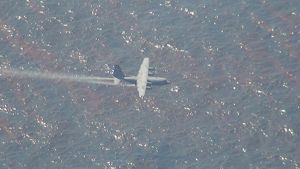
Nearly 2 million gallons of chemical dispersants have been applied to the Gulf of Mexico in the wake of the BP oil leak. Host Jeff Young reports that many of the country's leading marine scientists have signed a consensus statement against the use of dispersants on that scale.
Beetle Ranching
5 min read · 7 min listen
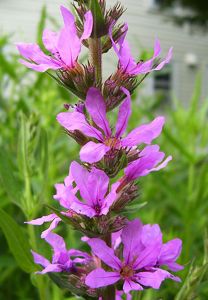
Purple loosestrife is a beautiful but invasive wetland plant that spreads quickly and pushes out native species. A tiny beetle has been found to attack purple loosestrife. Emma Jacobs reports that volunteers are more than willing to help propagate the predator.
Dispersant Discussion
8 min read · 11 min listen
Nearly 2 million gallons of chemical dispersants have been applied to the Gulf of Mexico in the wake of the BP oil leak. Host Jeff Young reports that many of the country's leading marine scientists have signed a consensus statement against the use of dispersants on that scale.
Drilling Down on Fracking
6 min read · 8 min listen
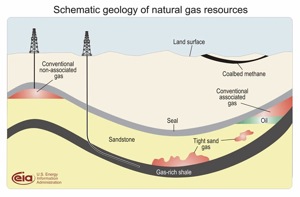
Hydraulic fracturing, or fracking, is a process used to extract natural gas from shale deposits deep within the earth. Natural gas could help the U.S. meet its CO2 emissions-reductions goals, but many environmental problems, including water pollution have been associated with extracting this resource. Host Jeff Young talks with Christopher Flavin from the WorldWatch Institute about how regulating the natural gas industry could make this process more environmentally friendly.
Green Camp
5 min read · 7 min listen
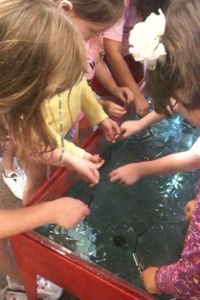
Camps these days offer more than just swimming, volleyball, and archery. At an environmentally themed Camp in Savoy, Illinois, 5-9 year olds learn about green issues, including the Deepwater Horizon oil blowout. Sean Powers reports.
NOAA Signed Off on Gulf Drilling Plans
6 min read · 8 min listen
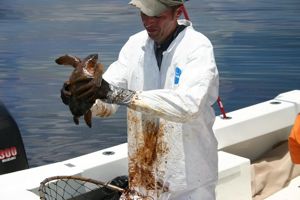
The agency charged with protecting key marine species approved offshore drilling plans for the Gulf of Mexico, including the BP well that has gushed out the biggest oil spill in U.S. history. Living on Earth's Mitra Taj reports that NOAA, the National Oceanic and Atmospheric Administration, failed to use its Endangered Species Act authority to prevent or prepare for the spill now threatening marine mammals and turtles in the Gulf.
Oil in the Air
3 min read · 4 min listen
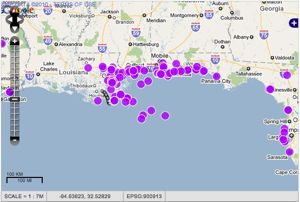
The oil in the Gulf isn’t just damaging the ocean. It’s also compromising the air. The EPA has been widely monitoring air quality along the Gulf coast since the spill began, but a local advocacy group, the Louisiana Bucket Brigade, says it’s not enough. Host Jeff Young talks with Anne Rolfes, director of the Bucket Brigade, about what she thinks the EPA is missing.
Recipe for Raising Chickens
7 min read · 9 min listen

With urban chicken farming gaining popularity, a 36-page illustrated booklet from 1975 is becoming an increasingly popular guide. Nancy Rekow recorded the long life and chicken raising lessons of Minnie Rose Lovgreen, and shares her experiences and memories with host Jeff Young.
Remembering a Nobel Climate Scientist
4 min read · 5 min listen

Stephen Schneider, one of the world’s foremost climate scientists, died suddenly earlier this month. Living on Earth’s Steve Curwood recalls Schneider’s many contributions to climate research and public policy.