
Living on Earth: February 8th, 2013
Air Date: February 08, 2013
US carbon dioxide emissions have fallen by 13% in the last five years to the lowest levels in nearly two decades. A new study finds that cheap natural gas, along with President Obama’s all of the above energy policy that includes renewable energy and increased efficiency explain the reduced emissions. Living on Earth’s Bobby Bascomb reports.
All Natural
12 min read · 16 min listen

Nathanael Johnson grew up in an California family that didn’t believe in sugar, diapers, or TV. In his debut book, he sets out to see what science has to say about the true health benefits of his parents’ all natural lifestyle. Nathanael Johnson joins host Steve Curwood to discuss his book All Natural.
Deadly Smog
9 min read · 11 min listen

Deadly smogs in the mid-20th century caused the United States and Great Britain to pass clean air legislation. Now, Beijing has the world’s thickest smog, and the health problems could be serious. Beijing journalist Jocelyn Ford tells host Steve Curwood about the air she’s breathing. Then, Dr. Tracey Woodruff explains her new study linking air pollution to low birth weight.
Salt Pans
6 min read · 8 min listen
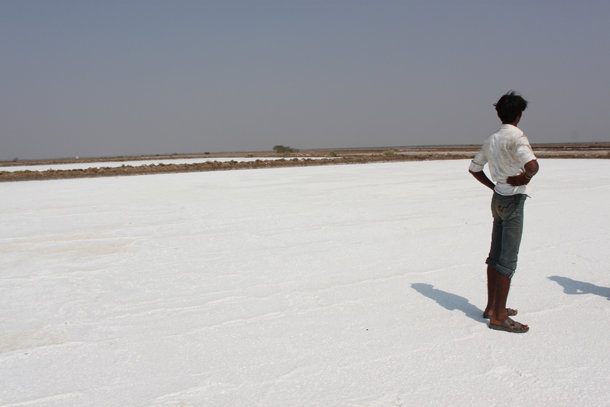
Harvesting salt is a way of life for thousands of Gujarati villagers in western India, and it's hard work in difficult conditions. As Meara Sharma reports, landowners and middlemen make a handsome profit from salt, but not the villagers who toil in the burning sun.
Science Note: Why We Get Bathtub Wrinkles
2 min read · 2 min listen

Scientists think they have an evolutionary answer to why we get wrinkly fingers and toes after a soak in the tub. Living on Earth’s Annie Sneed reports.
Sounds of Winter
4 min read · 5 min listen
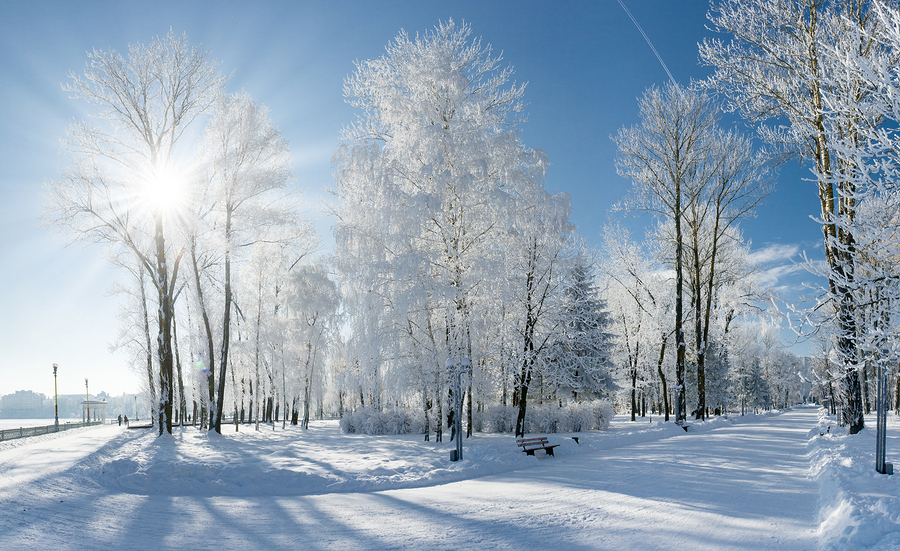
Listen closely. The frigid months of winter have a sound uniquely their own. As commentator Sy Montgomery points out, the cold and gray season’s bareness and rigidity help make its sounds vibrant.
US Carbon Emissions At A New Low
5 min read · 7 min listen
US carbon dioxide emissions have fallen by 13% in the last five years to the lowest levels in nearly two decades. A new study finds that cheap natural gas, along with President Obama’s all of the above energy policy that includes renewable energy and increased efficiency explain the reduced emissions. Living on Earth’s Bobby Bascomb reports.
Waste Heat
5 min read · 6 min listen

Cities burn a lot of energy and release a lot of heat. A new study finds that enough waste heat rises from cities to influence regional climate, especially in the winter. Host Steve Curwood learns how cities’ heat affects climate from Dr. Veerabhadran Ramanathan, Professor of Atmospheric and Climate Sciences at the Scripps Institution of Oceanography
