
Living on Earth: July 5th, 2013
Air Date: July 05, 2013

The United Nations recently issued a report that anticipates world population will reach 9.6 billion people by 2050, an increase from previous projections. Host Steve Curwood talks with Robert Engelman from the Worldwatch Institute about the factors causing this dramatic population increase.
Alternative Tar Sands Pipelines
6 min read · 8 min listen

While all eyes are focused on the Keystone XL pipeline, oil company Enbridge is quietly planning to expand a web of other pipelines to bring Alberta Tar Sands oil to ports. Lisa Song from InsideClimateNews details the pipeline projects to host Steve Curwood.
Bayou Community Struggles with Sinkhole
11 min read · 14 min listen
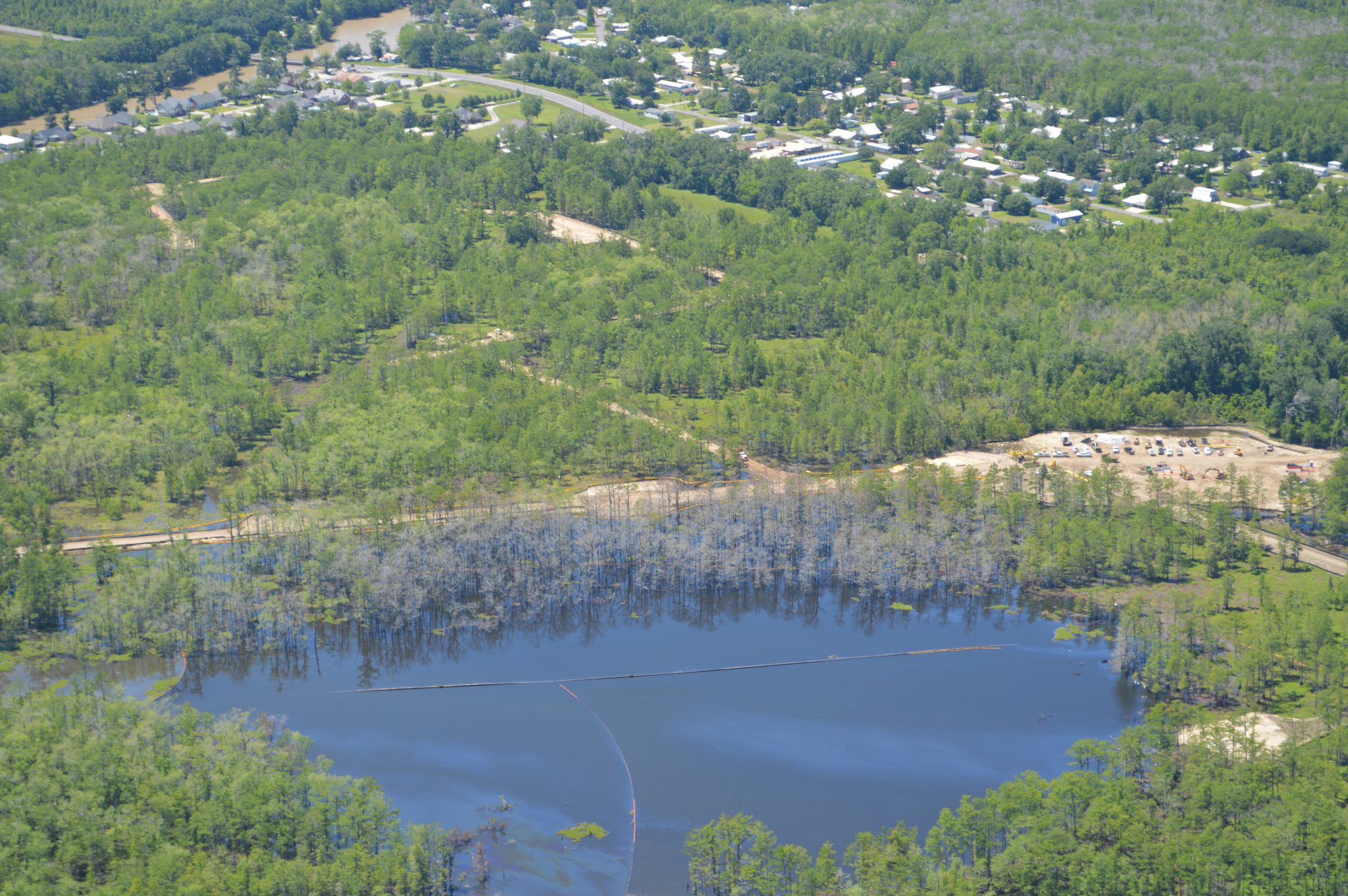
From hurricanes to oil spills, the people in Southern Louisiana are used to environmental threats. But as Emmett FitzGerald reports, a huge sinkhole in the tiny swamp community of Bayou Corne is giving residents unique and unpleasant challenges.
Dancing Gnats
3 min read · 4 min listen

Gnats are annoying little bugs. But if you know the trick, gnats will actually move at your command. Jeff Rice reports from Idaho.
New National Parks
6 min read · 8 min listen

This summer, vacationing Americans have five new National Monuments to choose from. Host Steve Curwood talks to Joan Anzelmo from the Coalition of National Park Service Retirees about these special places and how the Park Service is coping with cuts due to the sequester.
Rethinking Fast Fashion
3 min read · 4 min listen

Youth Radio's Bianca Brooks reconsiders her love of inexpensive fashionable clothes after a visit to a garment factory in Bangladesh.
Ritual and Deforestation in India
8 min read · 10 min listen

As much as 750 square miles of forest are cut down annually for cremation ceremonies in India. George Black, executive editor of On Earth Magazine, tells host Steve Curwood that environmentalists and engineers are working on a more efficient but culturally appropriate way to cremate the 8 million Indian Hindus that die each year.
Sea Turtle Paternity Test
2 min read · 3 min listen
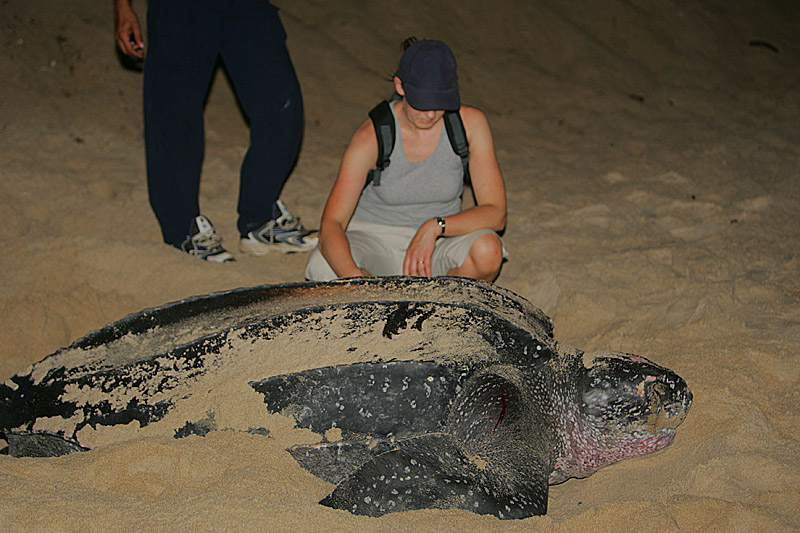
A recent study from NOAA scientist Peter Dutton used a new method to test paternity in sea turtles. As Living on Earth's Poncie Rutsch reports in this Note on Emerging Science, the new data will help more accurately estimate population size, resilience, and sex ratios.
World Population Day
7 min read · 10 min listen

The United Nations recently issued a report that anticipates world population will reach 9.6 billion people by 2050, an increase from previous projections. Host Steve Curwood talks with Robert Engelman from the Worldwatch Institute about the factors causing this dramatic population increase.