
Living on Earth: August 30th, 2013
Air Date: August 30, 2013
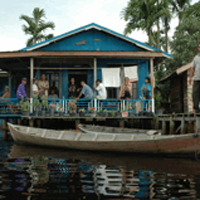
The plantations spreading over Sumatra aren't spreading onto empty land; poor rural villages often get swept up in big decisions made in Jakarta for Indonesia's forests. Mitra Taj reports from Teluk Kabung, where the arrival of the pulpwood industry has devastated the cash crop of coconuts and left villagers with little hope for the future.
Oil or Trees
9 min read · 12 min listen
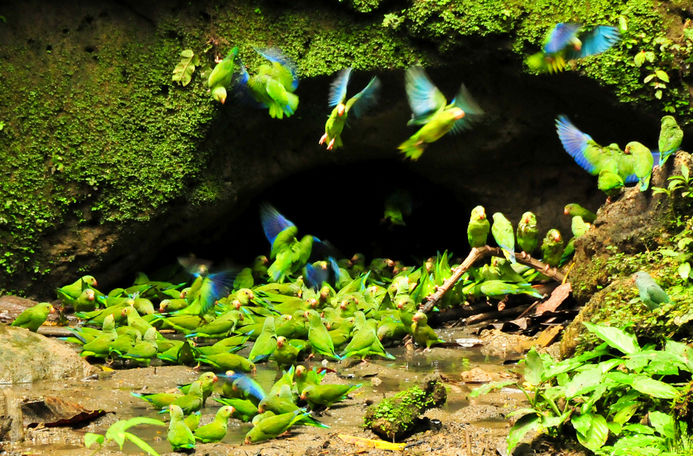
Yasuni National Park in Ecuador is home to more species of plants and animals than all of the US and Canada combined. Below the park are billions of gallons of oil. In 2007 President Correa offered to keep the oil in the ground if the international community compensated Ecuador for some of the loss of money it could have made from oil concessions. Kelly Swing, director of the Tiputini Biodiversity Station, tells Living on Earth’s Bobby Bascomb that the first of its kind plan was promising but didn’t work out as many hoped.
Paper Trees in Precious Ground
14 min read · 19 min listen
Two huge plantation industries are sweeping Indonesia: palm trees used to make oil, and acacia trees used to make paper. But most of the land left for plantations in the wake of deforestation is in peat forests -- land with the highest carbon content in the world. Plantations on peat have helped Indonesia become the world's third biggest greenhouse gas emitter. The debate over emissions from peatlands is most acute in Riau province, Sumatra. Ingrid Lobet reports.
REDD Today
6 min read · 7 min listen
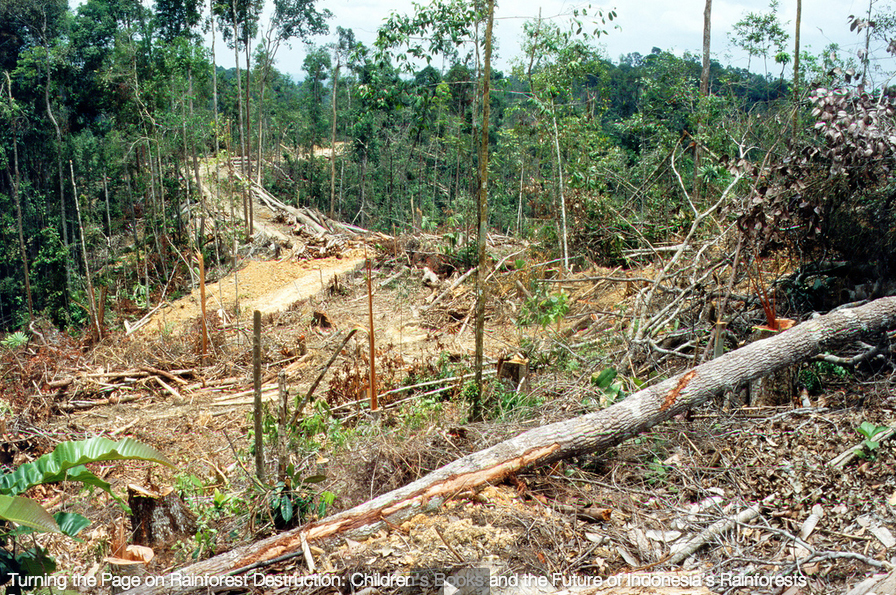
The United Nations mechanism to reduce carbon dioxide emissions from deforestation and degradation, REDD, started with great promise. But Amy Moas, a senior forest campaigner for Greenpeace in Indonesia, tells host Steve Curwood that very little progress has actually been made.
Where the Forest Ends
9 min read · 12 min listen
The plantations spreading over Sumatra aren't spreading onto empty land; poor rural villages often get swept up in big decisions made in Jakarta for Indonesia's forests. Mitra Taj reports from Teluk Kabung, where the arrival of the pulpwood industry has devastated the cash crop of coconuts and left villagers with little hope for the future.