
Living on Earth: October 18th, 2013
Air Date: October 18, 2013

In Germany renewable energy is so popular that on a sunny day power generators produced more energy than the grid could handle. And instead of being paid for power, they had to pay to feed in their electricity. Harvard Professor Michael McElroy tells host Steve Curwood that similar problems are happening here in the US.
Bob the Cat
3 min read · 4 min listen
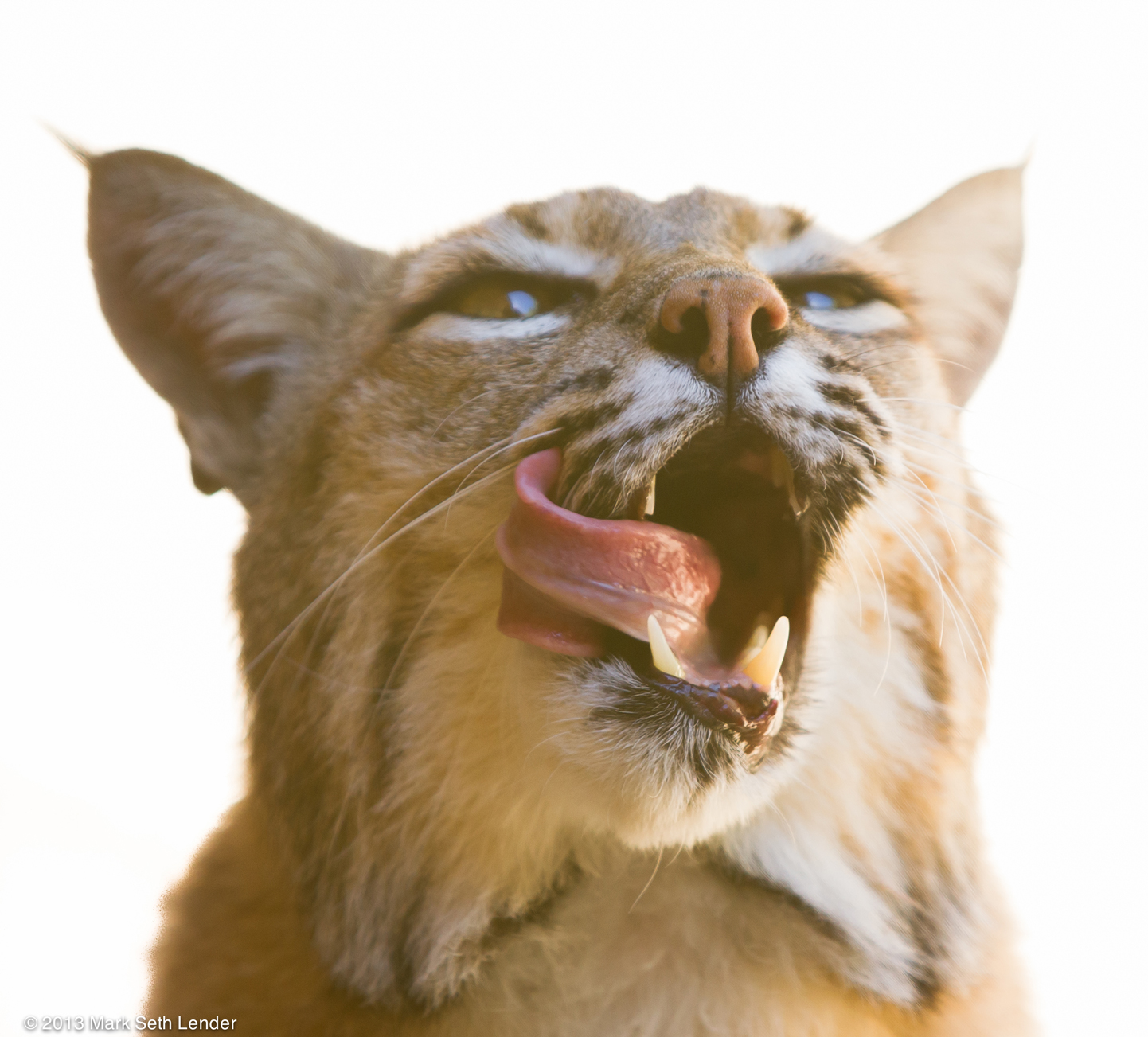
Bobcats are quite small and shy and hard to see - but as Mark Seth Lender observed, nobody should mistake them for a friendly tabby cat.
Climate and the Health Risks of Urban Heat Islands
7 min read · 9 min listen
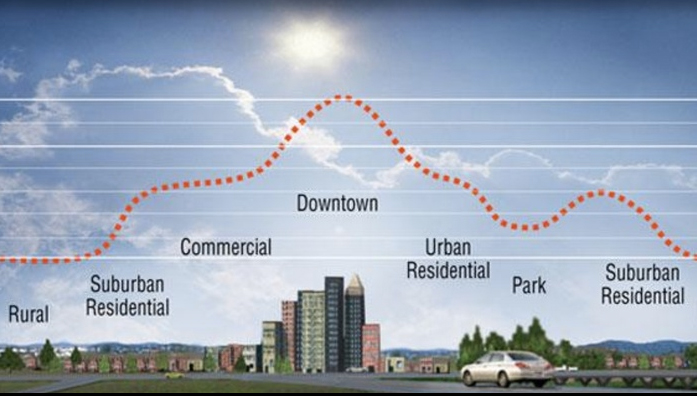
Global warming is expected to increase summer temperatures and cities will be even hotter, as concrete and asphalt retain heat. The combination is expected to increase health risks. Cassandra Profita of EarthFix reports from Portland, Oregon.
Copepod Love
6 min read · 7 min listen
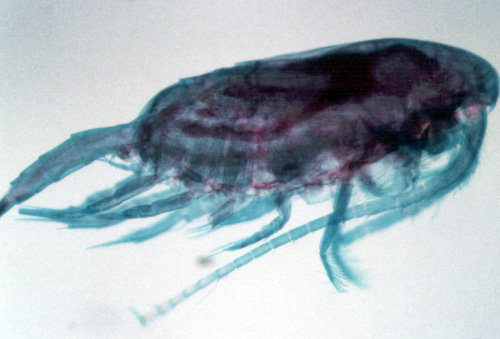
Tiny creatures at the bottom of the food chain have developed an ingenious way of finding mates, as Ari Daniel reports in this installment of Small Matters, the series that sweats the small stuff.
Gravity According to Tyson
15 min read · 20 min listen
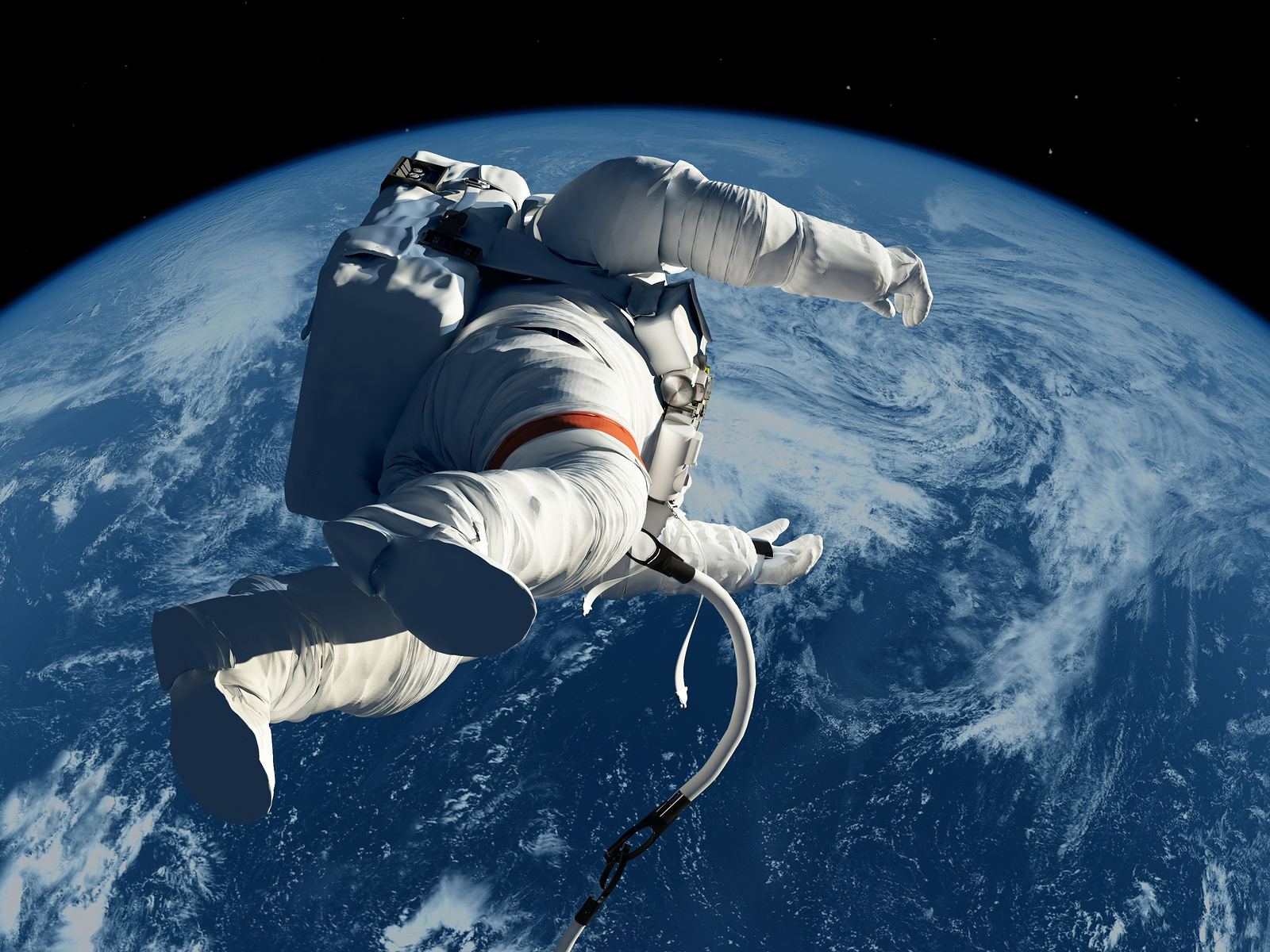
Astrophysicist Neil Degrasse Tyson joins host Steve Curwood to discuss the new movie, Gravity, and other news including Cassini's amazing discovery on Saturn's moon Titan.
Overwhelming the Grid with Renewable Energy
7 min read · 10 min listen
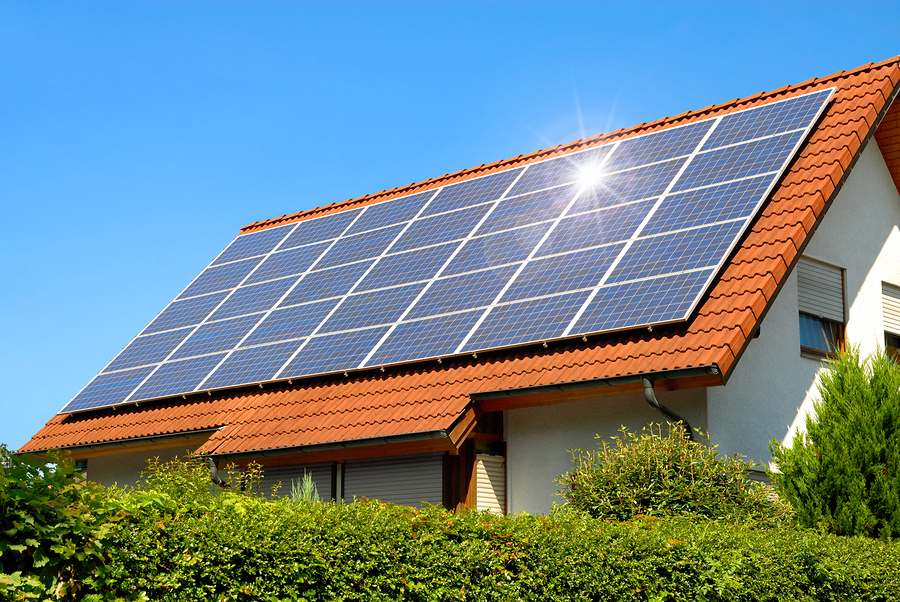
In Germany renewable energy is so popular that on a sunny day power generators produced more energy than the grid could handle. And instead of being paid for power, they had to pay to feed in their electricity. Harvard Professor Michael McElroy tells host Steve Curwood that similar problems are happening here in the US.
The Spongy Secret of Coral Reefs
6 min read · 8 min listen
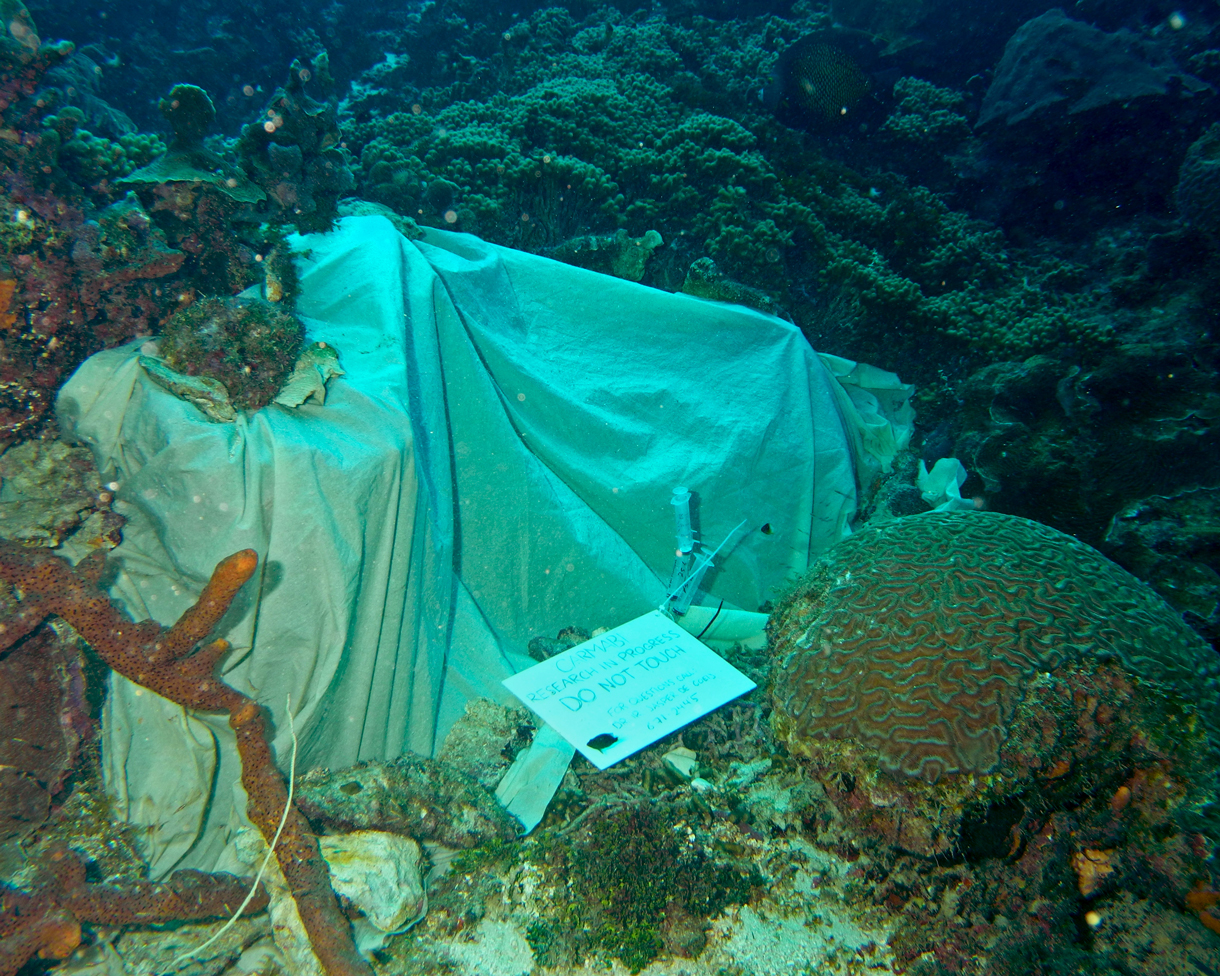
Since Darwin’s day, scientists have wondered how vibrant coral reefs thrive in the nutrient-poor waters of the tropics. Jasper de Goeij )of the University of Amsterdam in the Netherlands says that the humble sponge is the key.
