
Science Note: Palm Oil
Air Date: October 25, 2013
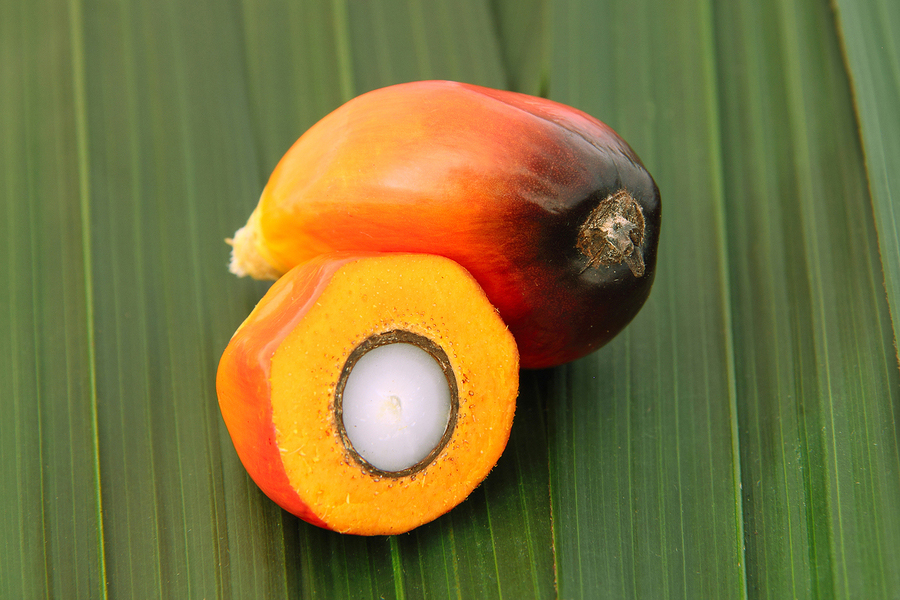
A group of geneticists have found a gene responsible for palm oil yield, which could help make palm oil farming much more efficient in the tropics. Poncie Rutsch reports.
Transcript
CURWOOD: It's Living on Earth, I'm Steve Curwood. In a minute, finding wild things in a busy city, but first this note on emerging science from Poncie Rutsch.
RUTSCH: Over half of the vegetable oil used worldwide in cooking, cosmetics, and cleaning comes from a tropical oil palm tree, that’s often planted on deforested land. The most popular oil palm species comes in three types, which yield different amounts of oil.
The oil palm kernels can grow a thick shell, and produce a small amount of palm oil. They can grow with no shells, and produce no fruit or oil. Or they can grow thin shells, and produce a lot of palm oil. But there was no way to tell which type a tree was until it grew large enough to bear fruit.
As early as the 1920s, breeders guessed that a single gene controlled both shell growth and oil yield. They called it the Shell gene. Now, a group of geneticists have found the Shell gene.
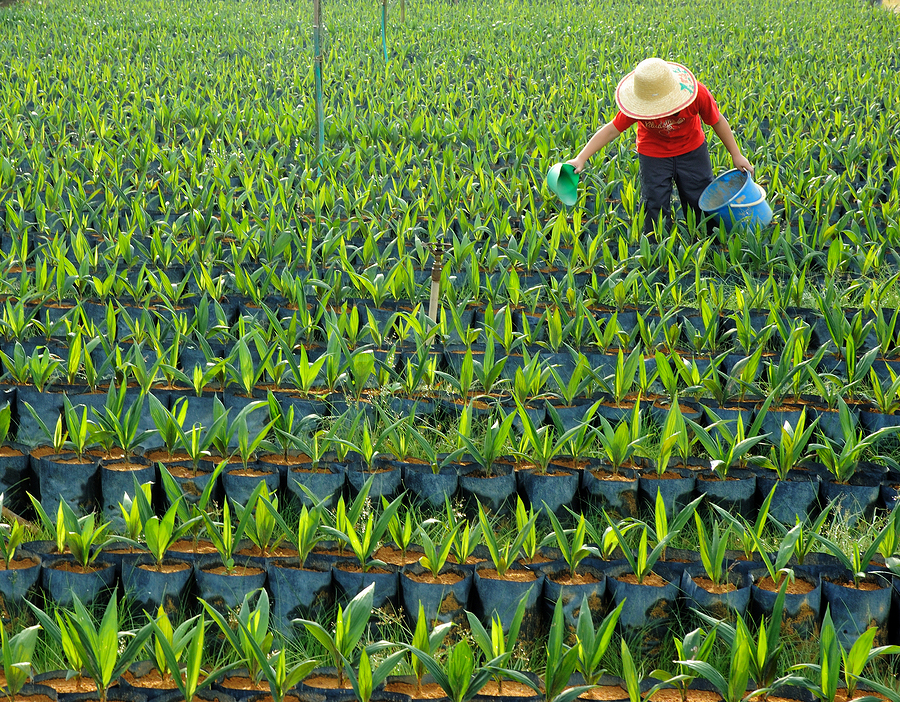
Rob Martienssen at Cold Spring Harbor Laboratory in New York, worked with the Malaysian Palm Oil Board to complete the oil palm’s genome. They determined that by mapping the genome of the oil palm seed before planting, they could select only the trees with thin-shelled fruit – the ones that will yield the most palm oil.
The new discovery should enable palm oil farmers to produce the same amount of oil using fewer trees and less land.
That’s this week’s note on emerging science. I’m Poncie Rutsch.