
Wild Exeter
Air Date: October 25, 2013
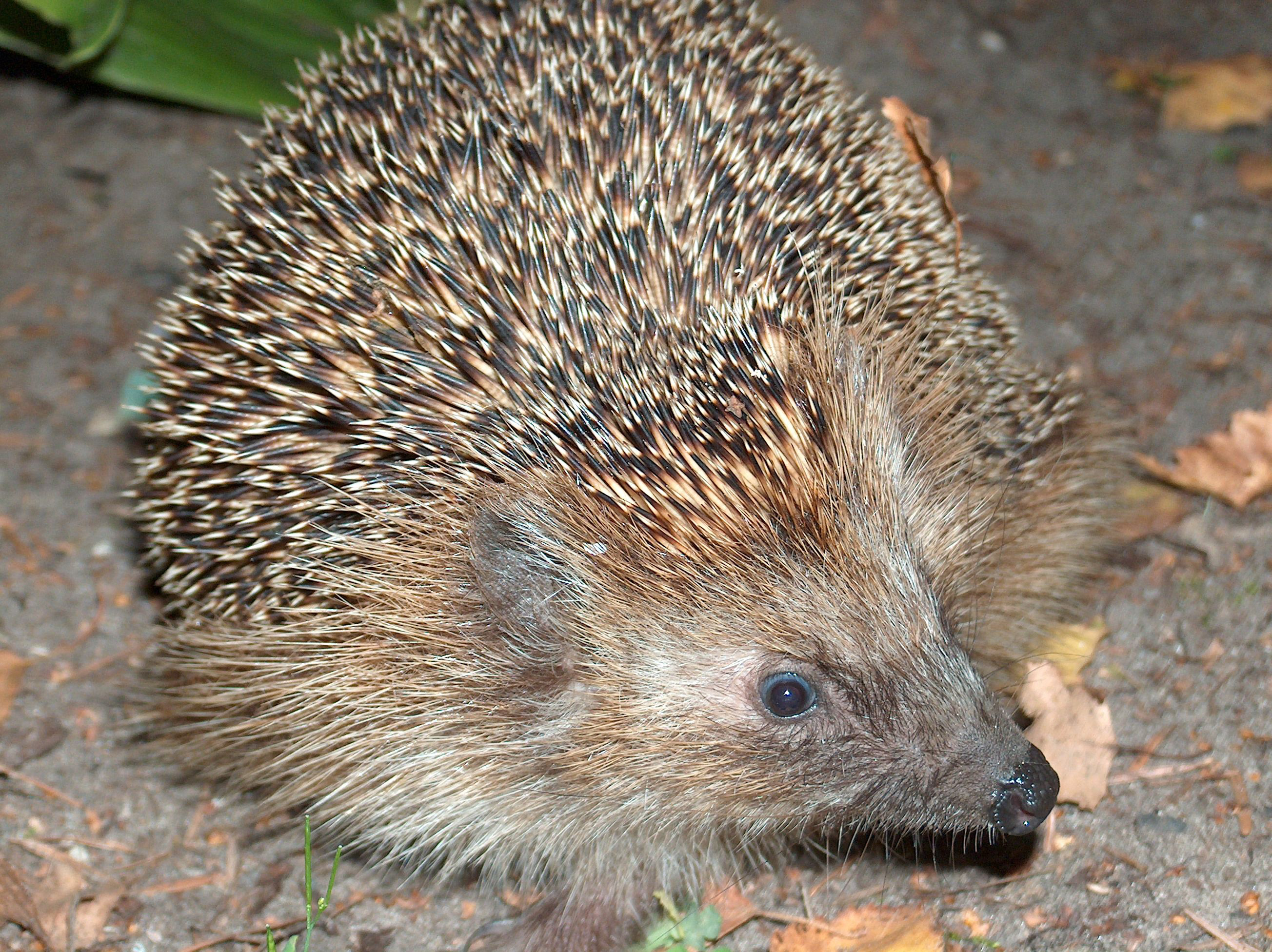
Even in the heart of a bustling city, wildlife can find a home and help urban folks to appreciate nature, as Ari Daniel reports from Exeter in the UK.
Transcript
CURWOOD: Well, Oliver Phillips teaches at Leeds, in the north of the UK, and we stay across the pond for this next story, but head down to Devon in the southwest, and the historic cathedral city of Exeter. Exeter is a bustling attractive tourist center today, but as Ari Daniel discovered when he visited during the summer even a city center can provide a hospitable home to nature.
DANIEL: We begin by walking down a nature trail in the southwest of England with
Emily Stallworthy and Paul Martin. They’re showing me a path crawling with life.
MARTIN: There are a few species of hoverfly wandering around over our flower heads here.
DANIEL (on tape): What’s this thing on me? Is that a hoverfly?
MARTIN: No, it’s just one of our fly species.
STALLWORTHY: Little spider with an egg sac.
DANIEL: Oh, wow.
MARTIN: Just moving around.
STALLWORTHY: And a bumblebee over here. You can see all the pollen on its back legs.
DANIEL: From this exchange, you wouldn’t imagine we’re in the middle of a city. But this is a story about an urban community banding together to create room for a natural community to take root.
You see, this nature trail is in the heart of Exeter - a city with a population of 120,000. The path runs along the outdoor property of the Devon Wildlife Trust. It’s a local charity organization devoted to protecting natural spaces in the southwest corner of England. Emily Stallworthy works here as a conservation officer, and Paul Martin as an education officer. This trail is something of a natural outpost in a busy city.
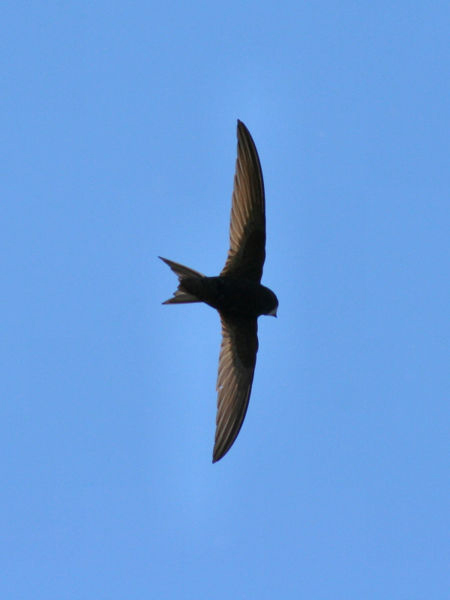
DANIEL: And that’s where a handful of community partners have come in. A pensions company that’s added green space and nesting boxes for swifts on their property. A volunteer group that helps transform dodgy public parks into spaces friendly to both people and wildlife. Even the local university has worked with school children to plant a colorful wildflower meadow on one of its lawns. By raising awareness around one species at a time, that species benefits, as do all the organisms it associates with.
Emily Stallworthy and Paul Martin say it doesn’t take that much to encourage wildlife to live amongst the human residents of a city – a bit of planting here, a bit of fence trimming there. And before you know it, something really unexpected turns up.
PEREGRINE FALCON CALL
The clouds have parted momentarily above the nature trail. Martin looks up into the sky.
MARTIN: Peregrine falcon, that is.
DANIEL (on tape): That’s a peregrine falcon?
MARTIN: That’s our big predator, just flying over. That screaming sound if you can hear it. And that’s what our projects are about, for people to go, “Oh, I can hear a peregrine falcon,” and look up, and think, “That’s part of my city, that’s part of what I belong to.”
DANIEL: For Living on Earth, I’m Ari Daniel.
CURWOOD: Our story on Wild Exeter is part of the series, One Species at a Time, produced by Atlantic Public Media, with help from the Encyclopedia of Life.