
Living on Earth: June 27th, 2014
Air Date: June 27, 2014

Canada’s federal government recently approved Enbridge’s proposed pipeline to bring Tar Sands oil from Alberta to the west coast. But the coastal First Nations strongly oppose the plan, and the British Columbia premier has yet to agree. Shawn McCarthy, energy reporter for the Globe and Mail, tells host Steve Curwood what this means for the future of the project and how it could impact the future of the Keystone XL pipeline.
Autism Linked to Pesticide Exposure
5 min read · 7 min listen

Women's exposure to agricultural pesticides during pregnancy appears to sharply increase the risk for developmental delays and autism in their children, according to a paper published in Environmental Health Perspectives. Irva Hertz-Picciotto, senior author of the study and Professor of Epidemiology at the MIND Institute at UC Davis discusses the study and the dangers of pesticides with host Steve Curwood.
Beyond the Headlines
4 min read · 5 min listen

In this week’s Fourth of July trip beyond the headlines, Peter Dykstra and host Steve Curwood discuss how a preservative found in hot dogs may soon be used to poison feral hogs in the American South. Also Duke Energy's decades of foot-dragging in fixing a coal ash pond safety pipe, and the history of the Teapot Dome oil scandal and the jailing of a Secretary of the Interior.
Canada Approves A Keystone XL Alternative: Northern Gateway Pipeline
7 min read · 9 min listen

Canada’s federal government recently approved Enbridge’s proposed pipeline to bring Tar Sands oil from Alberta to the west coast. But the coastal First Nations strongly oppose the plan, and the British Columbia premier has yet to agree. Shawn McCarthy, energy reporter for the Globe and Mail, tells host Steve Curwood what this means for the future of the project and how it could impact the future of the Keystone XL pipeline.
Flight Behavior
11 min read · 14 min listen
Best-selling author Barbara Kingsolver’s newest novel takes place in a small Appalachian community in rural Tennessee. The farming town gets international attention when climate change causes the unexpected arrival of a huge collection of beautiful winged creatures. Barbara Kingsolver talks with host Steve Curwood.
Honeybee Collapse linked to New Insecticides
6 min read · 8 min listen
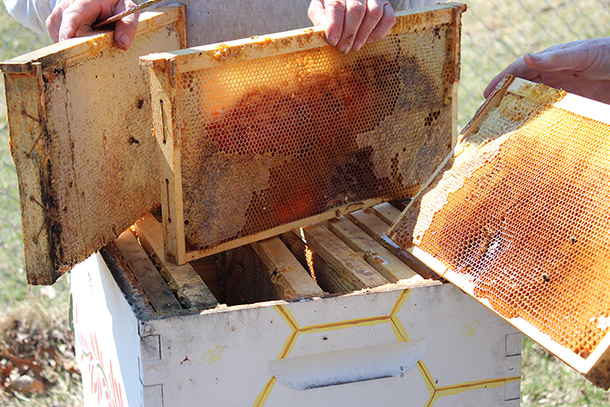
Since honeybees arrival in North America from Europe, they’ve become essential pollinators for the continent’s fruits and vegetables. Bee populations have mysteriously crashed in recent years, but as Harvard School of Public Health scientist Alex Lu tells host Steve Curwood, new research connects the collapse to the recent introduction of a new type of pesticide, neonicotinoids.
Radioactive Risks From Fracking Waste
6 min read · 8 min listen
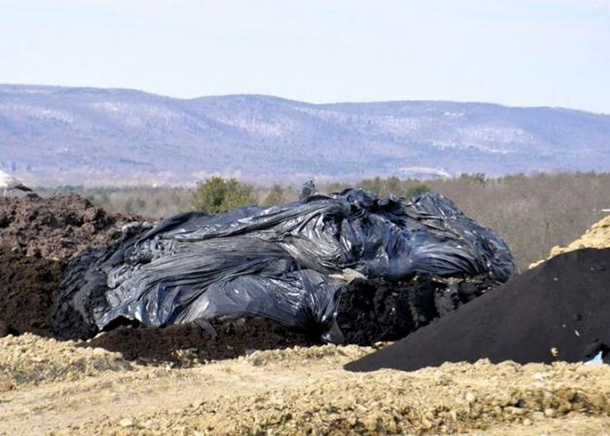
New techniques allow companies to extract oil and gas from deep in the ground, but as Matt Richmond of WSKS and the Allegheny Front reports, naturally radioactive rocks above the Marcellus shale in the Eastern US can create a dangerous waste product.
White House Protects Pollinators (and also the Monarch)
5 min read · 6 min listen
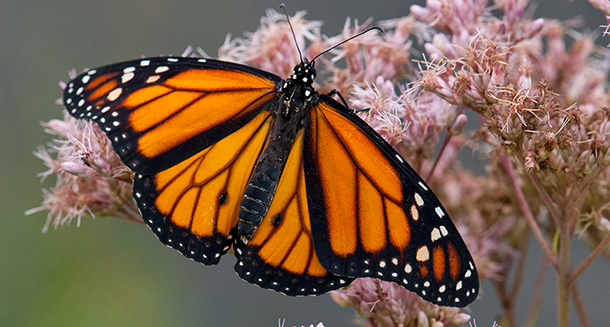
Monarch butterflies were hibernating in record low numbers in Mexico over the winter, but Cornell Ecologist Anurag Agrawal tells host Steve Curwood that he thinks the numbers breeding in Texas suggest the butterfly making a recovery.