
Living on Earth: August 15th, 2014
Air Date: August 15, 2014
The EPA has banned certain flea and tick collars for cats and dogs because young children touching their pets can get exposures to unhealthful amounts of pesticides. The move came in response to lawsuits filed by the Natural Resources Defense Council. NRDC Senior Scientist Miriam Rotkin-Ellman tells host Steve Curwood there are safer alternatives.
Flea Collar Ban To Protect Toddlers
5 min read · 7 min listen
The EPA has banned certain flea and tick collars for cats and dogs because young children touching their pets can get exposures to unhealthful amounts of pesticides. The move came in response to lawsuits filed by the Natural Resources Defense Council. NRDC Senior Scientist Miriam Rotkin-Ellman tells host Steve Curwood there are safer alternatives.
Peak Bagging
10 min read · 13 min listen

The Highpointers Club is a group of dedicated and somewhat eccentric outdoor enthusiasts who try to reach the highest point in all 50 states. To achieve their goal, members need to summit giant peaks like Mt. Denali in Alaska. But as Living on Earth's Emmett FitzGerald learned in Rhode Island, even the lowest highpoints can be a challenge.
Pesticides on Produce
6 min read · 7 min listen

An apple a day may keep the doctor away but it comes spiked with a cocktail of chemical pesticides. The Environmental Working Group has released its annual dirty dozen list of the fruits and vegetables with the most detectable pesticide residues. Living on Earth’s Bobby Bascomb reports.
Rain Tax
6 min read · 8 min listen
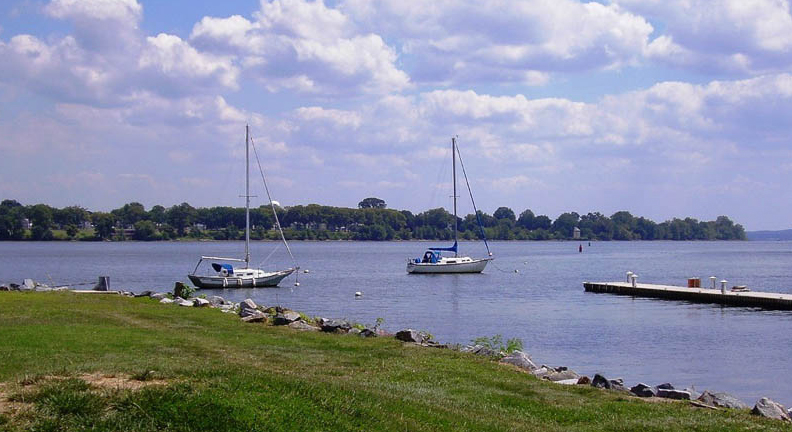
The EPA wants to limit the storm water run-off going into rivers and streams to help clean up the Chesapeake Bay. Some towns are charging citizens a fee to upgrade storm drains. As Julie Grant of the Allegheny Front reports locals call it a "rain tax."
UN Climate Change Reports As Haiku
6 min read · 8 min listen
The reports of the UN's Panel on Climate Change are critically important but notoriously dense reading. IPCC scientist Gregory Johnson tells host Steve Curwood about his personal project to write haiku poems to make the reports more understandable.
Using Bacteria to Heal the Desert Erosion
6 min read · 8 min listen
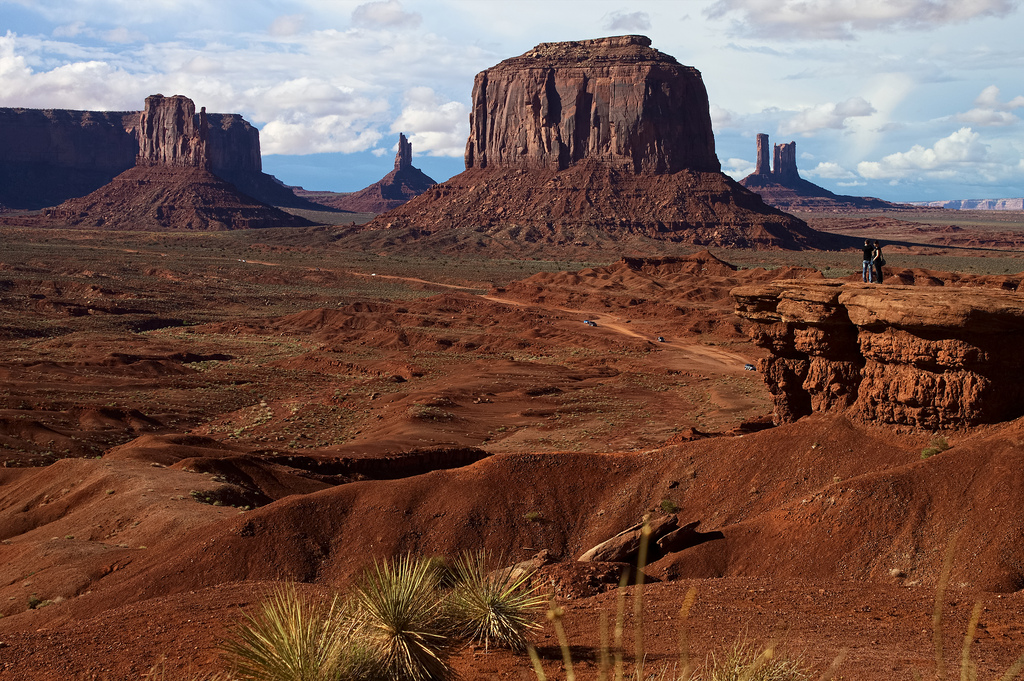
Erosion is a huge problem in the dry American West. But there's hope; soil scientist Matthew Bowker of Northern Arizona University tells host Steve Curwood he's using bacteria to help bring a living crust back to the surface of the desert.
Water 4.0
7 min read · 9 min listen

Increasing population density and changing weather patterns stress our cities’ water supplies, but developing technologies offer positive changes and investments to conserve this most vital resource in coming years. UC Berkeley professor David Sedlak, author of Water 4.0: The Past, Present, and Future of the World’s Most Valuable Resource discusses future water infrastructure with host Steve Curwood.
