
Living on Earth: August 29th, 2014
Air Date: August 29, 2014
West Africa is the middle of the worst Ebola outbreak in recent history. The outbreak has spread into major cities and is out of control, with thousands of cases and hundreds of deaths. Dr. Anthony Fauci, head of the National Institute for Allergy and Infectious Diseases joins host Steve Curwood to discuss the lethal epidemic, the prospects of a vaccine, and environmental causes that help diseases to jump from animals to humans.
A Feathered River Across the Sky
8 min read · 11 min listen
In the 19th century passenger pigeons numbered in the billions across North America. By 1914 they were extinct. Naturalist Joel Greenberg has written a book about the pigeon and its extinction called A Feathered River across the Sky, and he joins Steve Curwood to talk about lessons we can learn from its demise.
A Lifetime of Listening
13 min read · 17 min listen

Few have heard the world as Bernie Krause has. Originally trained as a musician, he spent years recording the most famous musicians of the 1960s and 70s. Then he left the studio to explore the origins of music in nature. Krause has recorded wild sounds in places few have ever been or even dreamed of. Living on Earth’s Ike Sriskandarajah listens in.
Bats Seeking Water
3 min read · 4 min listen
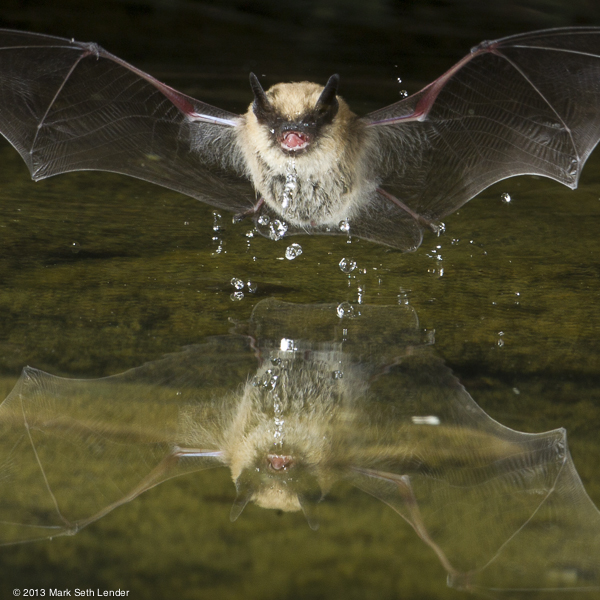
For thirsty bats in the Madera Canyon, the quest for water is everything. Writer Mark Seth Lender watches in pitch blackness as bats drink from a desert pool.
Beyond the Headlines
5 min read · 6 min listen
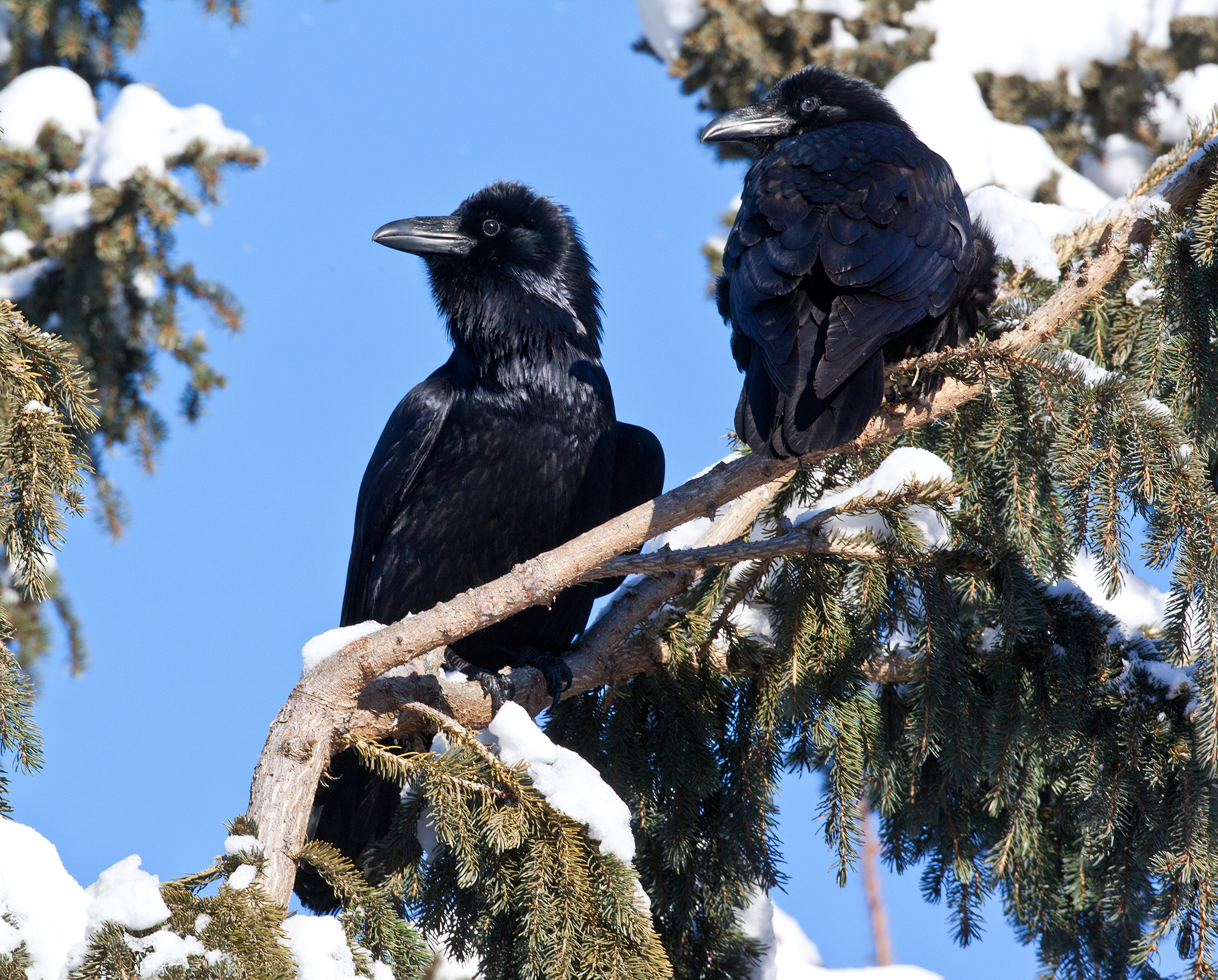
Canaries in coalmines aren’t the only birds to warn us of danger. In Beyond the Headlines this week, Peter Dykstra tells host Steve Curwood how sick birds can show signs of environmental hazards. He also discusses the return of ravens to New York City and remembers the very last known passenger pigeon.
BirdNote® - Ravens and Crows
2 min read · 3 min listen
Ravens and crows have long been the subjects of mythology and folklore. In real life, the birds often get a bad rap, especially on farmlands where they’re known to eat seed and grain. At first glance, not many people can tell the difference between the black birds. BirdNote®’s Michael Stein tells us what to look and listen for to differentiate the two.
Ecology and the Deadly Ebola Epidemic
11 min read · 14 min listen
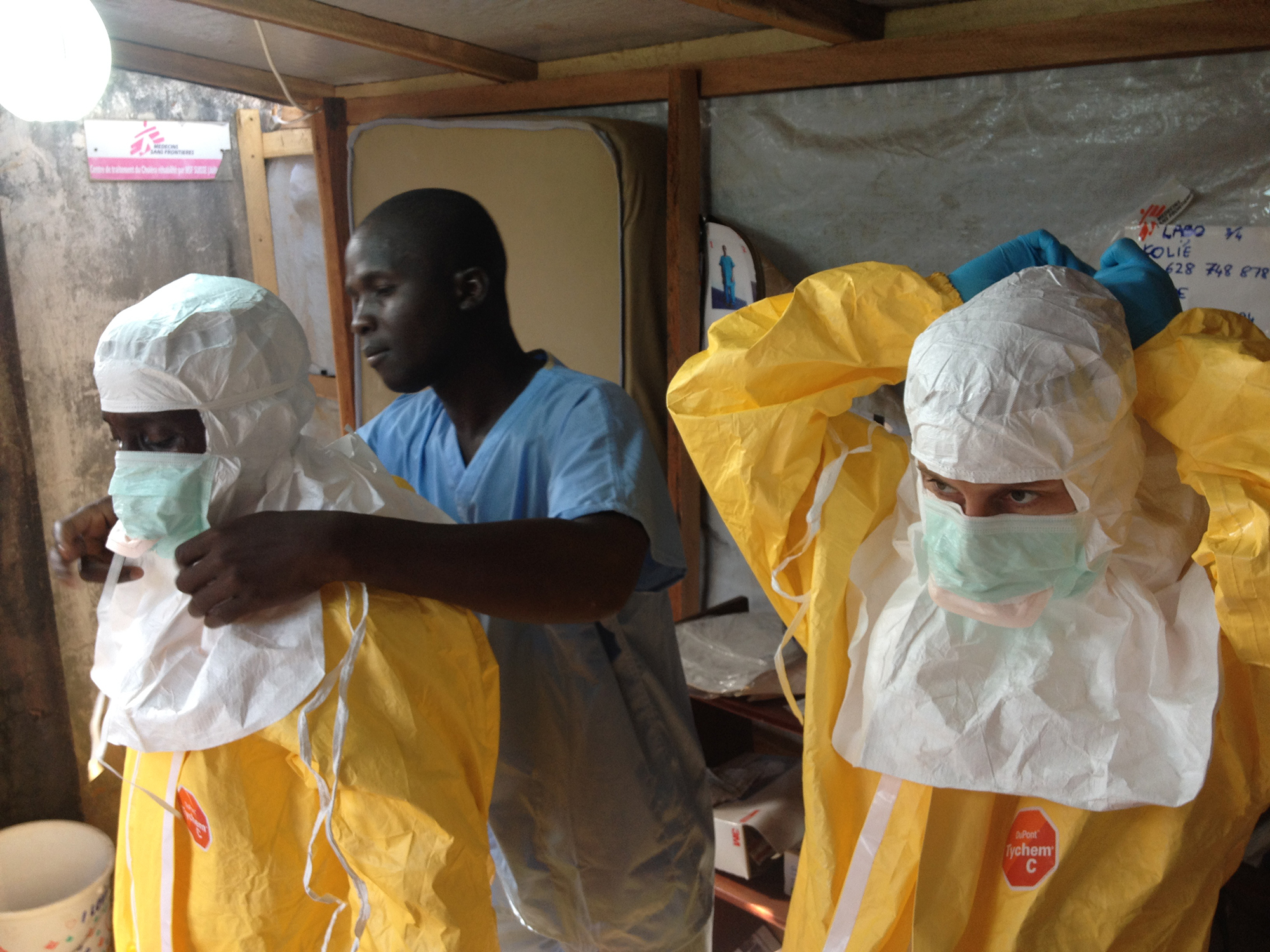
West Africa is the middle of the worst Ebola outbreak in recent history. The outbreak has spread into major cities and is out of control, with thousands of cases and hundreds of deaths. Dr. Anthony Fauci, head of the National Institute for Allergy and Infectious Diseases joins host Steve Curwood to discuss the lethal epidemic, the prospects of a vaccine, and environmental causes that help diseases to jump from animals to humans.
Recording Nature By Sound
6 min read · 8 min listen
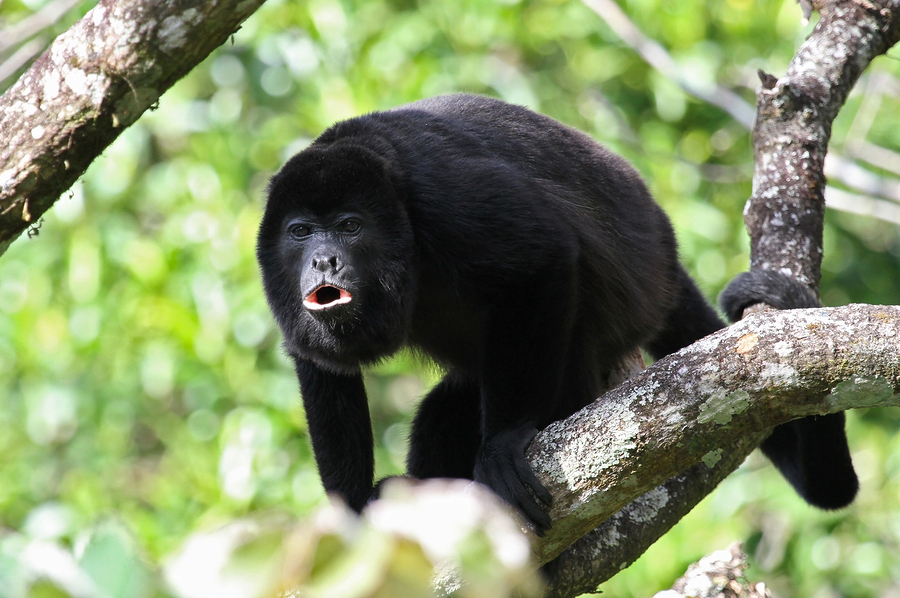
New computer software can sift through thousands of hours of nature recordings to identify and map individual species. Mitch Aide, a researcher at the University of Puerto Rico, tells host Steve Curwood about how his team devised the systems and put them to work.
Scotland Launches the World's Largest Tidal Power Project
7 min read · 9 min listen

Scotland is a world leader in tidal and wave power research and hopes to produce all of its energy from sustainable low-carbon sources by 2020. Host Steve Curwood spoke with Calum Davidson, Director of Energy and Low Carbon with Scotland’s Highlands and Islands Enterprise about the project to install the world’s first commercial tidal turbine array.
Scottish Independence from High-Carbon Energy and the U.K.
8 min read · 10 min listen

With its independence referendum just weeks away, Scotland’s future is in flux. Crucial to its economic success is North Sea oil and gas, but burning those fossil fuels could jeopardize Scotland's ambitious climate goals. Host Steve Curwood discussed Scotland's huge renewable energy resources and the dilemma of oil under the waves with WWF Scotland’s Director, Lang Banks.
The Sound Ring
7 min read · 9 min listen
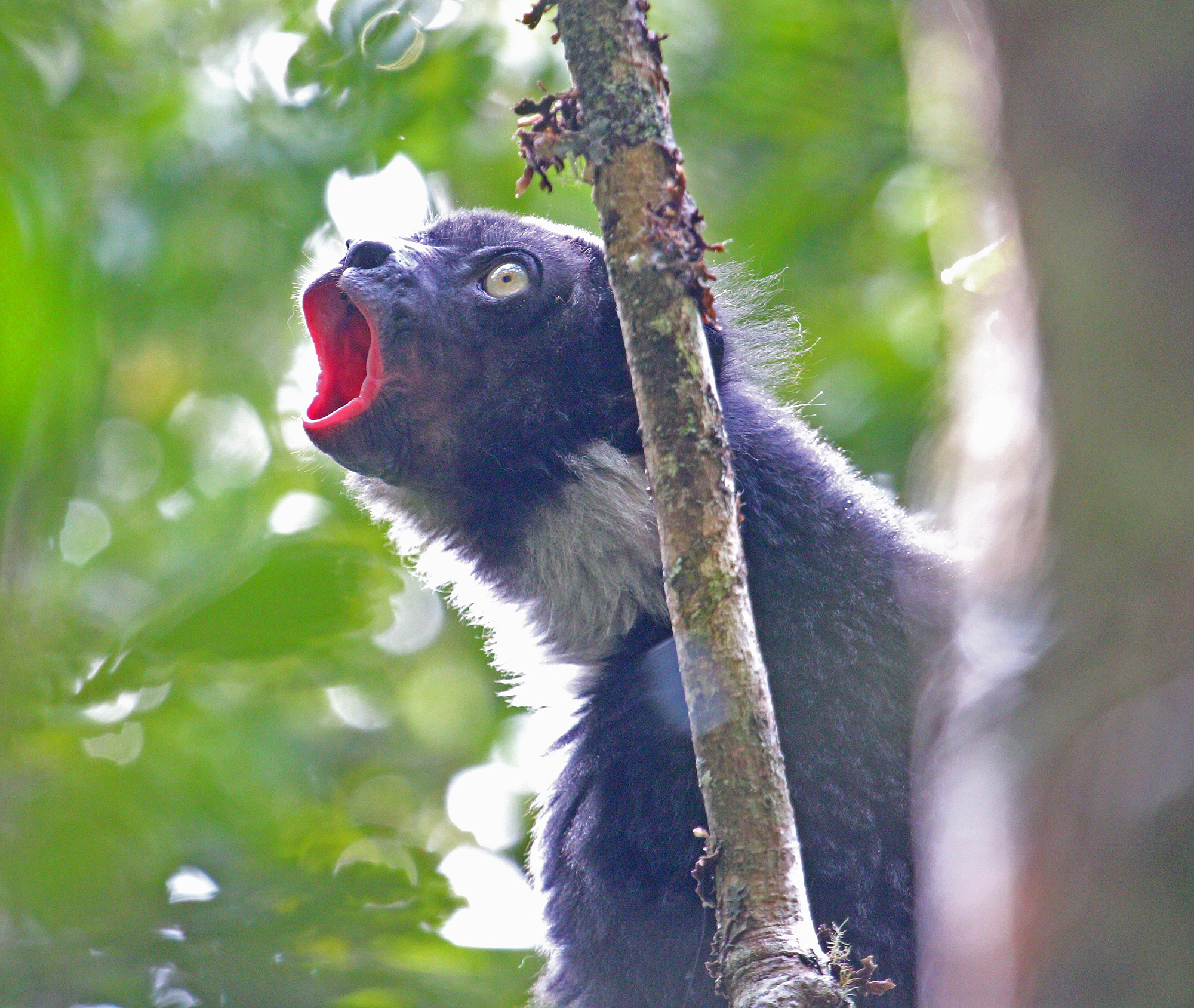
Maya Lin’s Sound Ring — a large, wooden sculpture installed at Cornell’s Lab of Ornithology — plays the sounds of species and habitats that are on their way to silence. Living on Earth's Emmett Fitzgerald talks to John Fitzpatrick, Director of the Lab, about the structure and the significance of these endangered soundscapes.
Understanding the Sounds of Ecosystems
6 min read · 8 min listen

An emerging new scientific field called soundscape ecology suggests that sound can tell us a lot about the health of ecosystems. Bryan Pijanowski is a Purdue University professor and founder of the new discipline. He tells host Bruce Gellerman about a few of the tens of thousands of the recordings he has compiled.
Whither the Union Jack?
5 min read · 6 min listen

With Scotland set to vote on independence, Living on Earth's resident English producer Helen Palmer asks what would happen to the iconic Union Jack (which includes the Scottish standard, the cross of St Andrew) if the Scots vote for independence.