
Lead-Free Ammunition Saves Waterfowl
Air Date: October 31, 2014
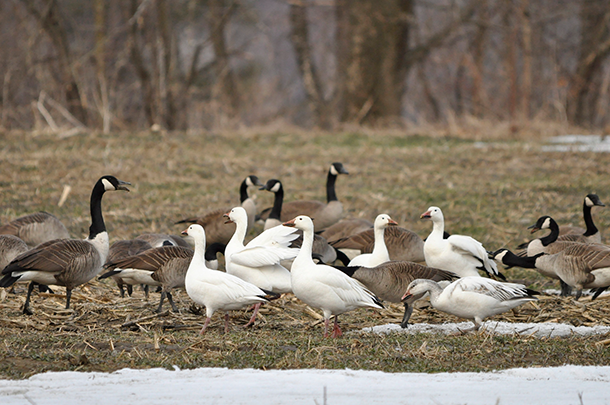
Migrating waterfowl are often hunted in the fall, and the birds often swallow shotgun pellets that miss. But now, as Mary McCann reports, hunters no longer use toxic lead pellets, which helps protect the health of surviving waterfowl and their ecosystem.
Transcript
CURWOOD: It's Living on Earth, I'm Steve Curwood.
MUX - BIRDNOTE® THEME
CURWOOD: Across the globe as the seasons change the vast flyways are thronged with migrating birds. And as Mary McCann explains in this BirdNote®, one fall ritual in US marshes and other wetlands is now in the main, less toxic, though not necessarily less deadly.
BirdNote®
Waterfowl and Lead
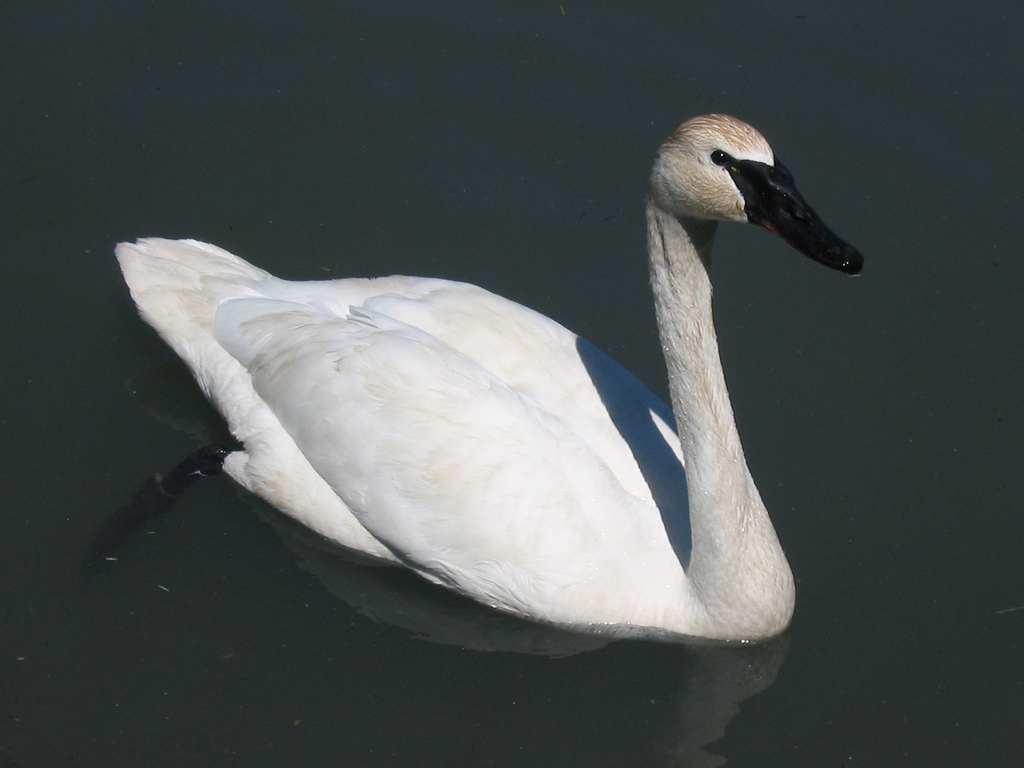
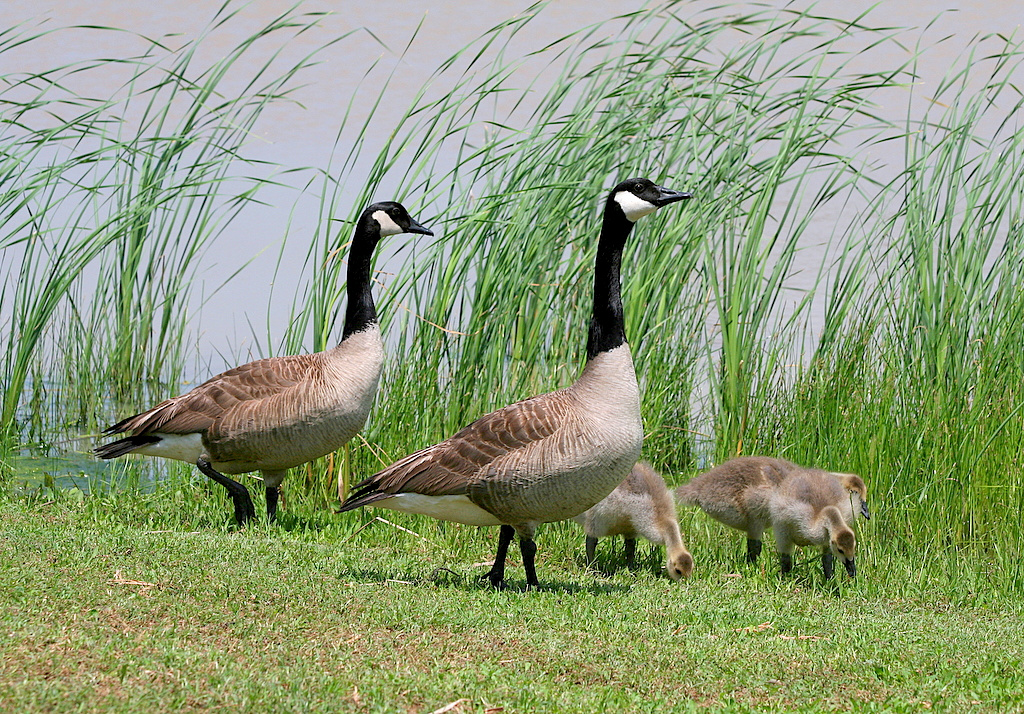
Calls of Canada Geese, Trumpeter Swans, Mallards
MCCANN: Every autumn, millions of ducks, geese, and swans return south from remote northern breeding grounds to winter in temperate North America.
Calls of Canada Geese, Trumpeter Swans, Mallards
MCCANN: And every autumn, the long-standing tradition of waterfowl hunting is reenacted.
Individual Mallard
But one important feature of that hunting tradition has changed. Beginning in 1991, waterfowl hunters were required to switch from lead shotgun pellets to pellets made of non-toxic metals.
In the past, foraging ducks, geese, and swans often ingested lead shot that had fallen to the ground. Waterfowl must swallow hard particles so their gizzards can grind up hard foods, like grains. Unfortunately, they can’t tell a lead pellet from a small pebble.
Male Mallards
Even two pellets of lead in a duck’s digestive system can cause a slow death from the effects of lead poisoning. Many birds were affected. The switch to non-toxic shot has made a positive difference for waterfowl.
Male Mallards
But lead shot is still widely used for the hunting of gamebirds like pheasants, which often share areas used by waterfowl.
South Dakota now requires non-toxic pellets for all small game-hunting and even target-shooting. And hunters elsewhere who are concerned about conservation, have made the switch to protect the future of the birds, the habitat, and the tradition they value.
Calls of Canada Geese and Trumpeter Swans
I’m Mary McCann.
###
Written by Bob Sundstrom
Bird audio provided by The Macaulay Library at the Cornell Lab of Ornithology, Ithaca, New York. Canada Goose calls recorded by W.W.H. Gunn. Trumpeter Swan calls recorded by J.M Hawthorne. Mallard calls recorded by A.A. Allen.
Producer: John Kessler
Executive Producer: Dominic Black
© 2014 Tune In to Nature.org October 2014 Narrator: Mary McCann
http://www.abcbirds.org/abcprograms/policy/toxins/lead-fact-sheet.html
CURWOOD: You’ll find photographs of ducks and geese and swans at our website, LOE.org.