
Living on Earth: March 31st, 2017
Air Date: March 31, 2017

TRUMP DUMPS FED CLIMATE PROGRAMS: The Trump administration issued an Executive Order that it claims will increase America’s energy independence and revive the coal industry. Critics say the measures that include killing Obama’s signature Clean Power Plan to curb carbon emissions won’t bring back coal jobs, but will set America on a perilous path that encourages dangerous global warming. Living on Earth Host Steve Curwood reports from Capitol Hill.
A Way to Refreeze the Arctic
7 min read · 10 min listen
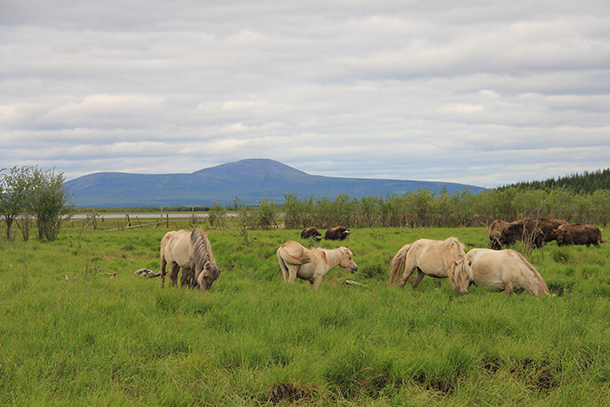
Russian scientists Sergey and Nikita Zimov have a plan to slow the thawing of the Siberian permafrost, by bringing back grazing animals to a swath of land they call Pleistocene Park. They argue trampling herds of bison, musk ox, reindeer, moose and even, perhaps, woolly mammoths compacted the snow and lowered the permafrost temperature. Living on Earth’s Jenni Doering reports on the plausibility of the Zimovs’ experiment and how it caught the attention of an American filmmaker.
BirdNote: “The Golden Pendulum”: Montezuma Oropendola
2 min read · 3 min listen
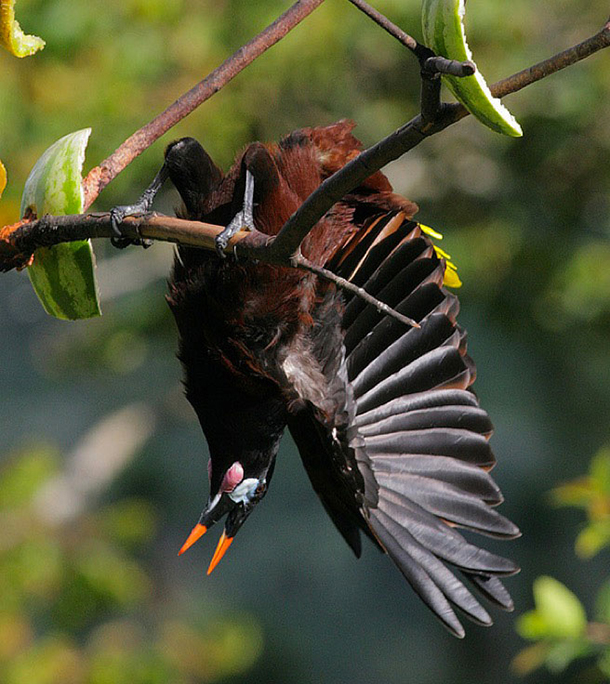
BIRDNOTE: “THE GOLDEN PENDULUM”: MONTEZUMA OROPENDOLA: The unusual gurgling song and firecracker pop of the Montezuma Oropendola accompanies an acrobatic show of its golden feathers. BirdNote’s Michael Stein says the Central American bird’s trick of hanging upside down is the source of its Spanish name, “Oropendola,” or "golden pendulum."
Chemicals Reduce Sperm Counts
10 min read · 13 min listen
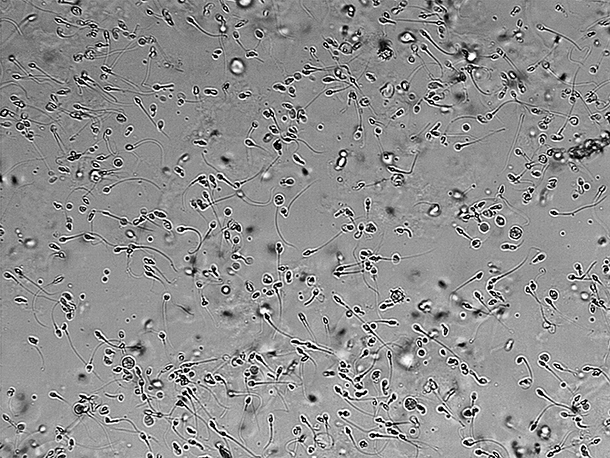
Fifteen years ago, over half of potential sperm donors in Hunan Province, China, met quality standards. Now, only 18% do, a decline blamed on endocrine disrupting chemicals. Host Steve Curwood discusses the implications of this new study with epidemiologist Shanna Swan, of the Icahn School of Medicine at Mount Sinai.
Hormone Disruptors Linked To Genital Changes and Sexual Preference
14 min read · 19 min listen
Scientists are continuing to sound the alarm about some common chemicals, including the herbicide atrazine, and link them to changes in reproductive health and development. Endocrine disrupting toxic chemicals have been found to feminize male frogs and cause homosexual behavior. Ashley Ahearn reports on how these substances may be affecting human development and behavior.
Mallards Brave New England’s Winter Surf
3 min read · 4 min listen

New England winters can be harsh even in a good year – yet some mallard ducks brave the cold and pounding surf at the shoreline. Living on Earth’s Resident Explorer Mark Seth Lender watches their struggles against wild wind and water.
Plastics and Male Reproduction
6 min read · 7 min listen
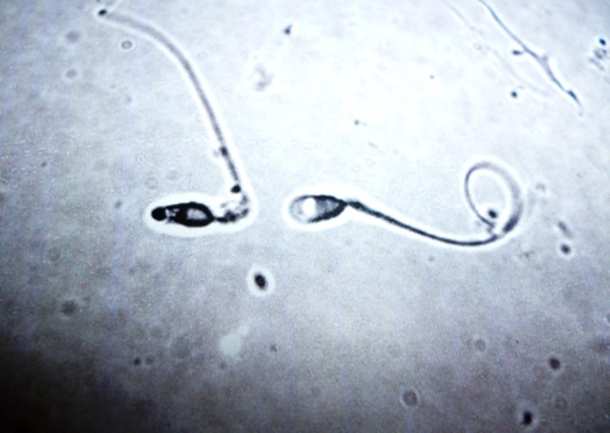
A new study in the Journal of Human Reproduction finds that a common chemical used to create flexibility in plastics can affect baby boys’ development in the womb. Lead researcher Dr. Shanna Swan talks with host Steve Curwood about the affect that phthalates have on the developing fetus and the threat they may pose to male reproductive health later in life.
Science Note: Cooling the Arctic with Guano
2 min read · 3 min listen
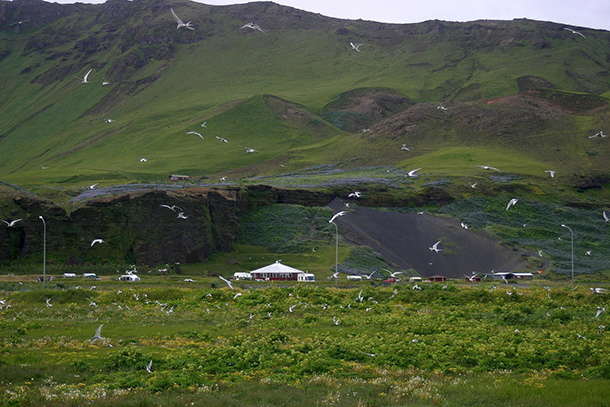
In this week’s note on emerging science, Living on Earth’s Don Lyman uncovers new research that links ammonia from seabird guano to atmospheric cooling in the Arctic.
Trump Dumps Fed Climate Programs
10 min read · 13 min listen

TRUMP DUMPS FED CLIMATE PROGRAMS: The Trump administration issued an Executive Order that it claims will increase America’s energy independence and revive the coal industry. Critics say the measures that include killing Obama’s signature Clean Power Plan to curb carbon emissions won’t bring back coal jobs, but will set America on a perilous path that encourages dangerous global warming. Living on Earth Host Steve Curwood reports from Capitol Hill.
Watching the Arctic Melt
8 min read · 10 min listen
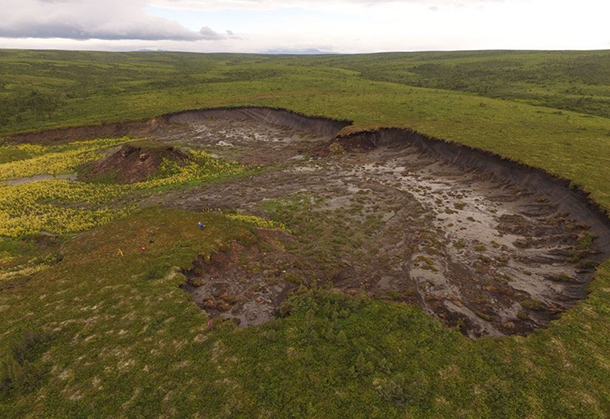
WATCHING THE ARCTIC MELT: Permafrost is thawing fast across the world’s polar regions due to global warming. A recent study maps the extent of this thaw over a million square kilometers in northern Canada, and provides insight into likely landscape changes expected soon. Host Steve Curwood spoke to study co-author, environmental scientist Trevor Lantz of the University of Victoria in British Columbia about mapping these disturbances and how ice deposits that melt can cause the ground to collapse.
