
Science Note: The Power of Dust
Air Date: May 19, 2017
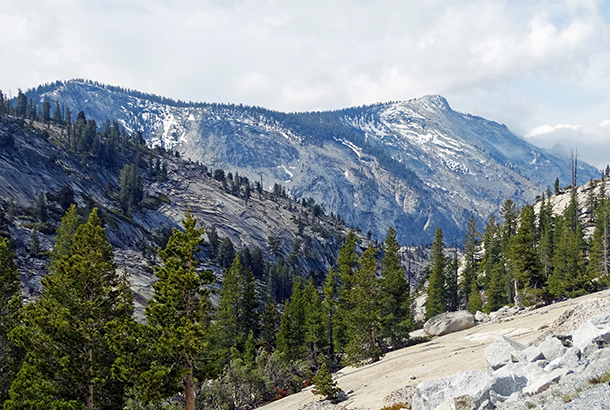
In the Sierra Nevada mountains, heavy runoff and erosion can steal precious soil nutrients from the ecosystem. New research shows replacements come from an unlikely source: dust flying in from far away, as Noble Ingram explains on this week’s Note on Emerging Science.
Transcript
CURWOOD: It’s Living on Earth. I’m Steve Curwood. In a minute, a handy guide to the mysteries of the universe, but first this note on emerging science from Noble Ingram.
SCIENCE NOTE THEME
INGRAM: If you’re looking to do some spring cleaning, it can be a big nuisance. But ask any gardener, and you may be surprised to hear that dust is good for more than just collecting in odd corners. A research team from several Western and Midwestern universities has shown that rock dust plays a critical role in feeding the soil of the Sierra Nevada mountains.
Older mountain ranges, like the Sierra Nevadas, experience heavy rainfall and intense erosion, costing them significant soil nutrients in runoff. In California, dust rich in plant-boosting elements like phosphorous, offers the perfect refreshment to these weathered environments.
Air currents collect the nutrient-dense cargo from deserts and dry valleys and carry it vast distances. Researchers found that between 18% and 45% of deposits in the Sierra Nevadas came from Asia, crossing the Pacific Ocean. Some dust was even detected from the Gobi Desert on the border of China and Mongolia, more than 6,000 miles away.
Despite its beneficial effects, this mineral mobility leaves some scientists worried. Bounties of imported nutrients may help a forest thrive, but they can wreak havoc on surrounding rivers and lakes. Dust-fed algae blooms suck up oxygen and threaten to suffocate fish and crustaceans.
With drought spreading as climate change advances, geologists suspect dustier forecasts are ahead. And cleaning up the potential ecological upsets in their wake will require more than a feather duster.
That’s this week’s note on emerging science. I’m Noble Ingram.