Beyond The Headlines
Air Date: June 30, 2017
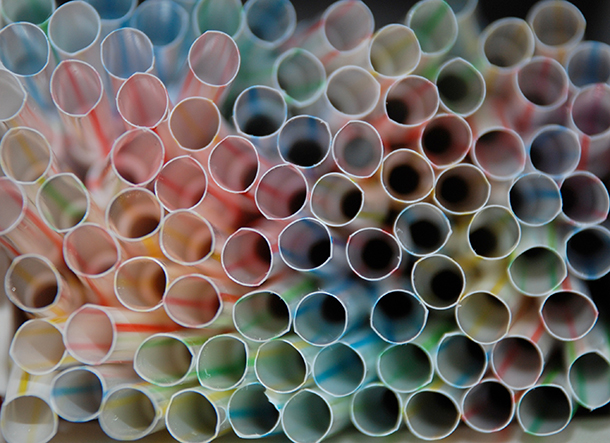
This week Peter Dykstra and host Steve Curwood go Beyond the Headlines to note how cold drinks incur a lot of waste and pollution from plastic straws. Also, a quarter of UK rivers and streams are at risk of drying up due to rising temperatures, droughts and leaky pipes, Dykstra says, and with toxic algae in Lake Erie as an example he notes how journalistic warnings are often ignored.
Transcript
CURWOOD: It’s Living on Earth. I’m Steve Curwood. Off to Atlanta now to look beyond the headlines with Peter Dykstra. Peter is with DailyClimate.org and Environmental Health News - that’s EHN.org -- and he’s on the line. Hi there, Peter, it must be getting hot down there?
DYKSTRA: Yeah, hi, Steve. Summer's here, and the time is right for cold drinks. Care to take a guess at how many plastic straws Americans slurp their way through every day?
CURWOOD: I don’t know. I couldn't even begin to guess.
DYKSTRA: Well, you know, when the Washington Post isn't pumping out what the President says is fake news, they're still paying some attention to the environment. Based on industry numbers, we tear the paper covers off a half billion straws every day. Since the ‘60s, the vast majority of them are plastic straws, and they add to the huge burden of plastics in our landfills and waterways. But grassroots campaigns have started to raise attention on the straw menace, and it's looking for a ban on plastic straws. A few restaurant chains and municipalities are signing up early.

CURWOOD: I remember when I was a kid they were paper straws but I guess... good luck with getting all these big companies to switch from plastic to paper! What’s next on your list?
DYKSTRA: A report from the World Wide Fund for Nature says that nearly one quarter of the rivers and streams in England are at risk of drying up in the coming decades. Warming temperatures, more extensive droughts, and increasing pressure to draw water from these storied streams are all potential culprits. So is an aging, leaky water system that could use an upgrade.
CURWOOD: Peter, you know, aging water systems aren't exactly a problem limited to the UK. They're implicated in many of the reports of lead in drinking water right here in America.
DYKSTRA: Yeah absolutely, and despite warnings like those the WWF gave to the UK, governments are slow to act, which moves us smoothly into our history item for the week.
Environmental journalists like Tom Henry, a veteran reporter for the Toledo Blade, started writing about toxic algae and its threat to drinking water from Lake Erie back in the 1990's. In the year 2014 Tom Henry's warnings turned into decidedly un-fake news when an algae bloom shut down Toledo's water supply, impacting a half million people. I wrote about Tom and some similar environmental journalism heroes in a piece for Ensia earlier this year, and, uh, guess what.

CURWOOD: I don't know, Peter, what?
DYKSTRA: Well there’s another warning on the same thing. The federal agency NOAA is predicting the algae bloom this year in Lake Eerie will be what they call "more severe" than normal.
CURWOOD: Well, you're full of such good news today, Peter. Peter Dykstra’s with DailyClimate.org and Environmental Health News, that’s EHN.org. Thanks a lot Peter, talk to you again real soon.
DYKSTRA: OK, Steve, sure we’ll talk to you soon.
CURWOOD: And there's more on these stories on our website, LOE.org.