Living on Earth: August 25th, 2017
Air Date: August 25, 2017
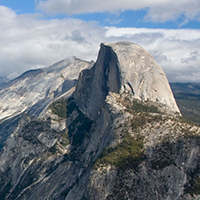
Research from Harvard and Colorado State finds that Americans value maintaining the National Parks system through their taxes at over 30 times its annual appropriations. Host Steve Curwood sat down with Harvard professor Linda Bilmes to discuss why Americans care so deeply for these iconic places and how to put their future and protection on a sustainable financial footing.
BirdNote: Voices of Our Public Lands
3 min read · 3 min listen
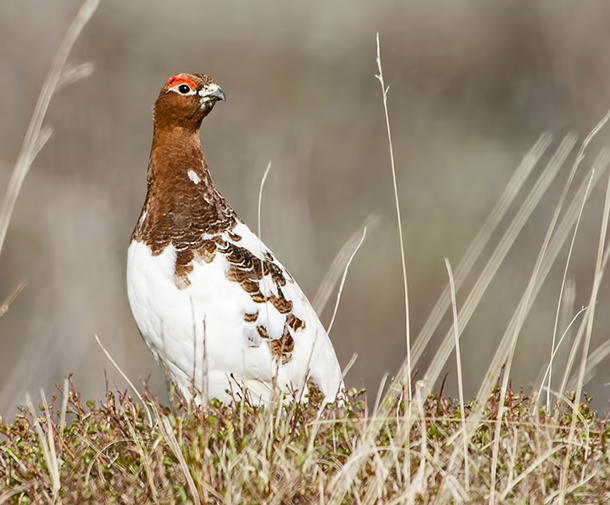
We the People own nearly 850 million square acres of US public land and ocean, and as BirdNote’s Mary McCann points out, these spaces provide vital habitat for over a thousand diverse species — from the Bachman’s Sparrow in the Southeast to Alaska’s Willow ptarmigan.
Emerging Science Note: Backyard Garden Threat to Bees
2 min read · 3 min listen
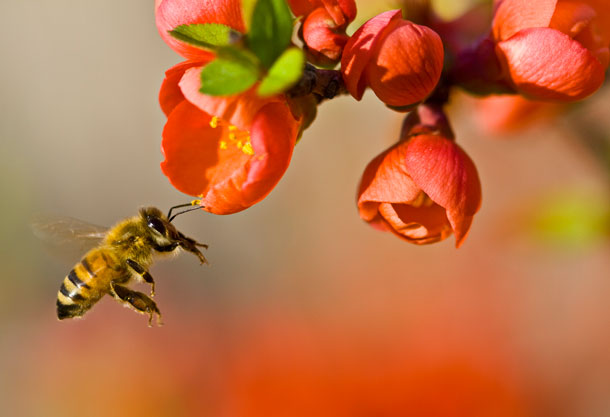
Pesticides are a leading contributor to recent widespread declines in honeybee populations. But don’t blame farmers. As Living on Earth’s Jay Feinstein reports in this note on emerging science, a new study in Nature magazine found a large amount of bees’ pesticide exposure came from non-cultivated areas, including backyard gardens.
Pollinator Declines Threaten Public Health
6 min read · 8 min listen
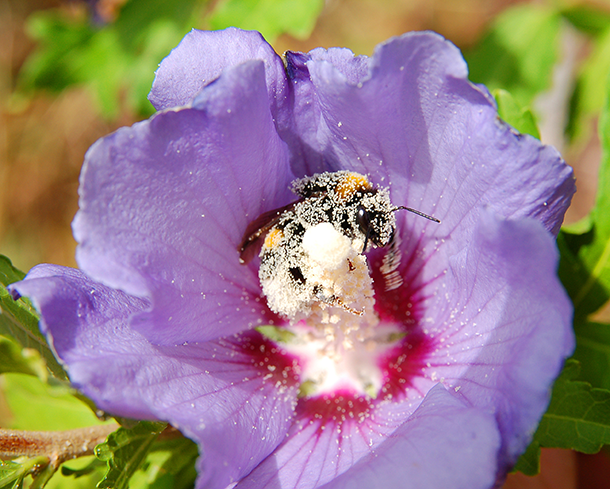
Altogether some 200,000 species of animals pollinate crops, and help supply up to 35% of the world’s food, but scientists say pollinator numbers are declining. New studies published in The Lancet examine the potential impacts of total and partial pollinator loss on staple crops and the availability of vitamins and nutrients. Living on Earth’s Helen Palmer discusses the findings with study author Dr. Samuel Myers, who explains how these deficiencies would impact public health.
Roadsides as Vital Habitat
7 min read · 9 min listen
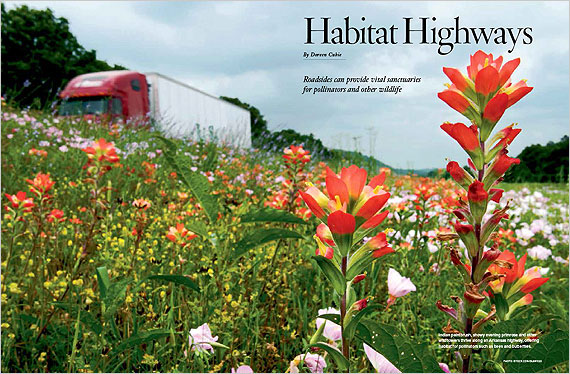
Some 17 million acres of green space line US highways and byways, and it’s vital habitat for pollinators, as well as small voles and mice and birds. Bonnie Harper-Lore, a restoration ecologist formerly with the Federal Highway Administration, tells host Steve Curwood about the value they offer to wildlife and how President Lyndon Johnson’s wife, Ladybird, helped uplift this elongated haven for creatures and wildflowers.
Seeds on Ice: Preserving the World’s Agricultural Heritage
17 min read · 22 min listen
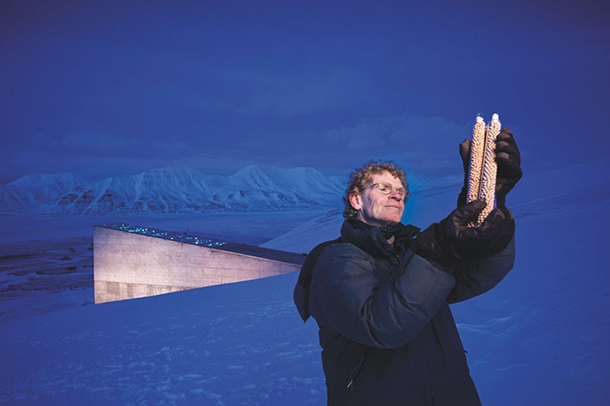
Deep in an icy mountain not far from the North Pole are rows upon rows of boxes filled with seeds -- nearly a million samples gathered from nations collections around the globe. Cary Fowler is a founder of the Svalbard Global Seed Vault and the author of the new book documenting its story and its treasures called Seeds on Ice. He joins Living on Earth’s Helen Palmer to explain why humanity needs a seed vault at the top of the world to ensure the genetic diversity of our agricultural heritage.
Squash Bee: The Pollinator That Follows Farmers
7 min read · 9 min listen
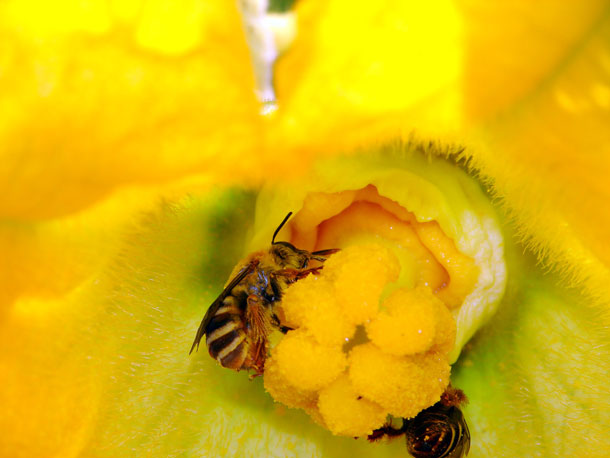
Thousands of species pollinate our plants and guarantee our food, but one particular bee specializes in the squash family. As ancestral farmers spread the cultivation of squashes through the Americas, the squash bee followed. North Carolina State biologist Margarita Lopez-Uribe explains the history to host Steve Curwood.
The Value of National Parks
8 min read · 10 min listen
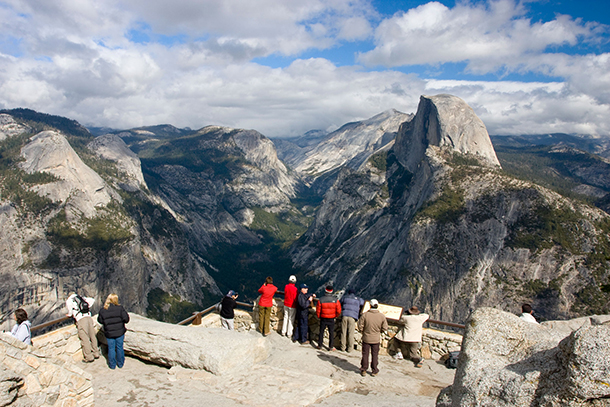
Research from Harvard and Colorado State finds that Americans value maintaining the National Parks system through their taxes at over 30 times its annual appropriations. Host Steve Curwood sat down with Harvard professor Linda Bilmes to discuss why Americans care so deeply for these iconic places and how to put their future and protection on a sustainable financial footing.