
Living on Earth: September 1st, 2017
Air Date: September 01, 2017

Hurricane Harvey broke records for rainfall, inundating thousands of homes and businesses and leaving tens of thousands homeless in the Houston area of Texas before it moved east through Beaumont and Port Arthur into Louisiana. Still, cleanup in Houston began as soon as the sun came out, and sodden sheetrock and carpet is piling up on curbsides. To discuss how the storm played out and how the country’s fourth-largest city can prepare for more such extreme weather events, host Steve Curwood spoke with Houston Public Media's Laurie Johnson. She notes Houston residents are resilient in the face of the public safety risks and chores of rebuilding ahead.
Beyond the Headlines
4 min read · 6 min listen

Peter Dykstra returns to discuss what’s going on Beyond the Headlines with host Steve Curwood. They note how Hurricane Harvey raises questions on flood insurance and climate politics, and discuss Kenya’s new plastic bag ban. For environmental history, Peter reminds us of a time when Republican presidential nominee George H.W. Bush championed a clean environment.
BirdNote: Pungent Mudflat
2 min read · 3 min listen
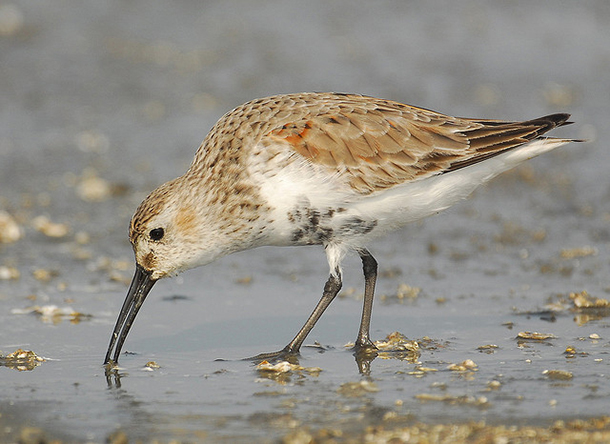
Michael Stein samples the sounds and smells of the mudflat in this week’s BirdNote®, encountering sandpipers, dunlins, clams, worms and a variety of powerful odors.
El Niño on a Warming Planet
11 min read · 14 min listen
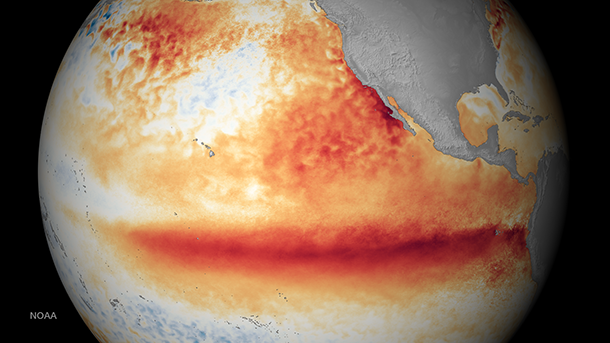
A powerful el Niño weather system born of heat in the Pacific is bringing heavy rains, ice and snow to parts of the US and typhoons to Asia. With record rainfall and flooding along the Mississippi River, Roy Buol, the mayor of Dubuque, Iowa describes what his city is doing to cope with the extreme weather. Host Steve Curwood and climate scientist Kevin Trenberth of the National Center for Atmospheric Research discuss the relationship between severe weather associated with El Niño and global warming and what we might expect as average world temperatures continue to rise.
Flint and Environmental Racism
11 min read · 14 min listen
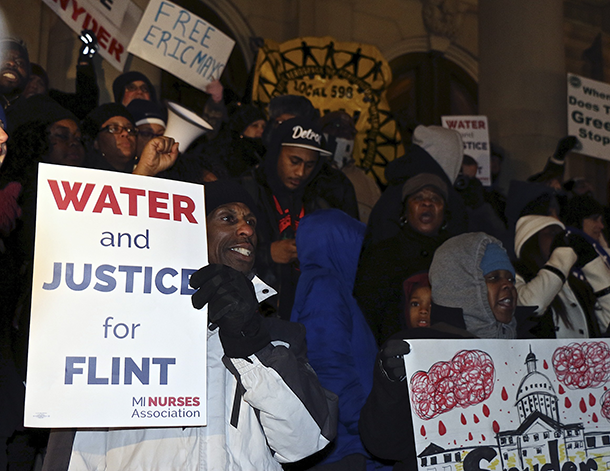
Prof. Robert Bullard, the “father of environmental justice”, says that the lead water disaster in Flint, Michigan is just the latest example in a long history of environmental injustice in the United States. Prof. Bullard, Dean of the School of Public Affairs at Texas Southern University, tells host Steve Curwood that the working class and communities of color like those of Flint are far more likely to be exposed to toxic substances like lead.
Global Warming & Harvey
8 min read · 11 min listen
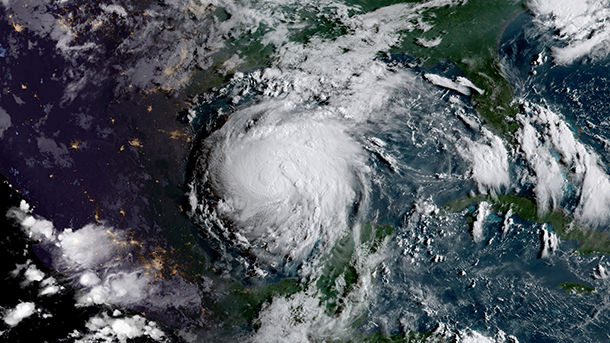
A warmer world is a rainier world, as warmer air holds more moisture. The exceptional warmth of Gulf of Mexico waters in 2017 helped fuel Hurricane Harvey’s deluge, Kevin Trenberth, senior scientist at the National Center for Atmospheric Research, tells host Steve Curwood. They discuss how new satellite and imaging technology helped accurately forecast Harvey’s ferocity. But proposed cuts to federal funding for key technology could hinder future efforts to prepare for extreme weather.
Houston: Drenched, Damaged and Determined
10 min read · 14 min listen

Hurricane Harvey broke records for rainfall, inundating thousands of homes and businesses and leaving tens of thousands homeless in the Houston area of Texas before it moved east through Beaumont and Port Arthur into Louisiana. Still, cleanup in Houston began as soon as the sun came out, and sodden sheetrock and carpet is piling up on curbsides. To discuss how the storm played out and how the country’s fourth-largest city can prepare for more such extreme weather events, host Steve Curwood spoke with Houston Public Media's Laurie Johnson. She notes Houston residents are resilient in the face of the public safety risks and chores of rebuilding ahead.
Justice After Storm Harvey
6 min read · 8 min listen
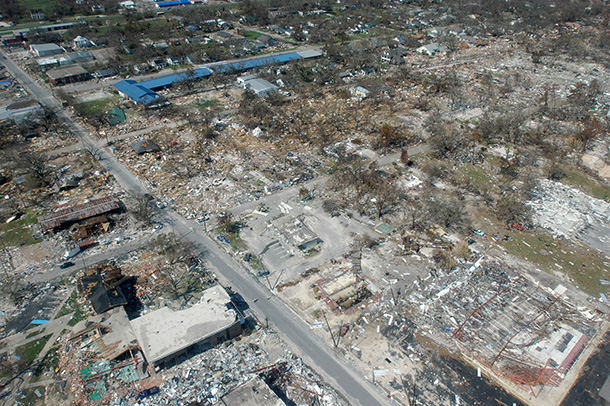
Though Hurricane Harvey’s record rainfall flooded the rich and poor alike, recovery is much harder for the disadvantaged, as Texas Southern University Professor and environmental justice scholar, Robert Bullard, and host Steve Curwood discuss.
Science Note: The Leaning Tree of New Caledonia
2 min read · 3 min listen
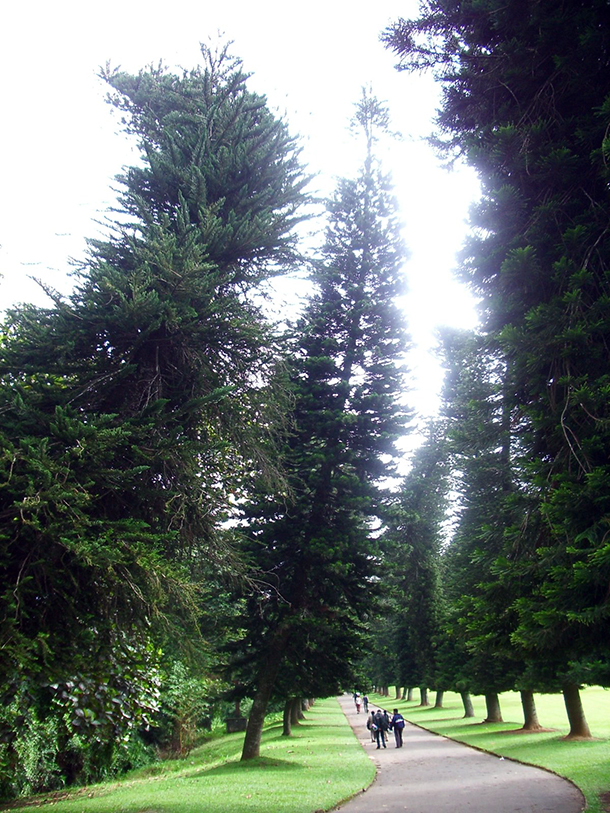
California scientists assumed that New Caledonia’s Cook Pine Tree, famous for its off-kilter tilt, routinely points south. But the research team’s global survey revealed that the tree actually always reaches for the Equator. As Lizz Malloy explains in this week’s note on emerging science, nobody quite knows the reason for this singular trend.
Walks of a Lifetime: Extraordinary Hikes From Around the World
13 min read · 17 min listen
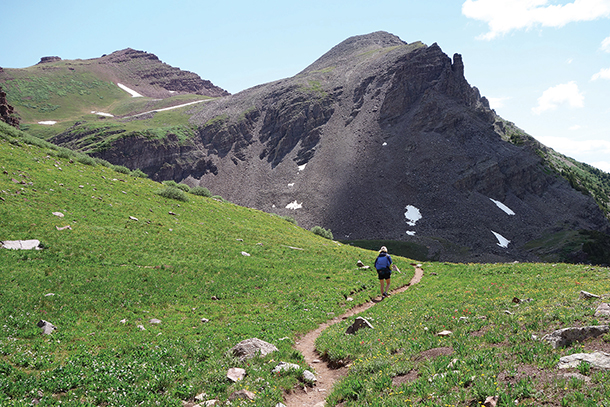
Bob and Martha Manning have walked thousands of miles together, through wilderness and dense cities, on hiking trails and along sacred pilgrimage paths. Their 2017 book Walks of a Lifetime brings together thirty favorites from around the world, with walks for beginners as well as experienced hikers. In this conversation with host Steve Curwood they explain their tips for fellow trekkers and the benefits and surprises of seeing the world on two feet.