Living on Earth: September 29th, 2017
Air Date: September 29, 2017
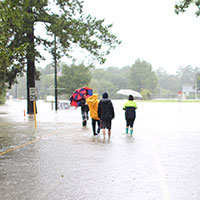
As Houston area people return to businesses and homes flooded during Hurricane Harvey, researchers are gathering base line data from volunteers on their chemical exposures wearing wristbands. Melissa Bondy, a Professor in the Department of Medicine-Epidemiology and Population Sciences at Baylor College of Medicine, explained to host Steve Curwood how these wristbands and mapping of reported releases will help assess current and future health risks for victims of natural disasters.
Benzene In Houston
9 min read · 11 min listen
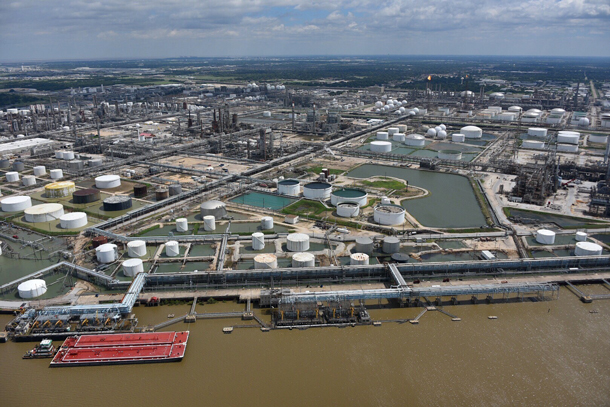
In the wake of Hurricane Harvey some 40,000 pounds of carcinogenic benzene was released, much of it from a refinery in the neighborhood of Manchester. Living on Earth Host Steve Curwood spoke with ProPublica Reporter Lisa Song about her team’s investigation.
Beyond The Headlines
4 min read · 5 min listen
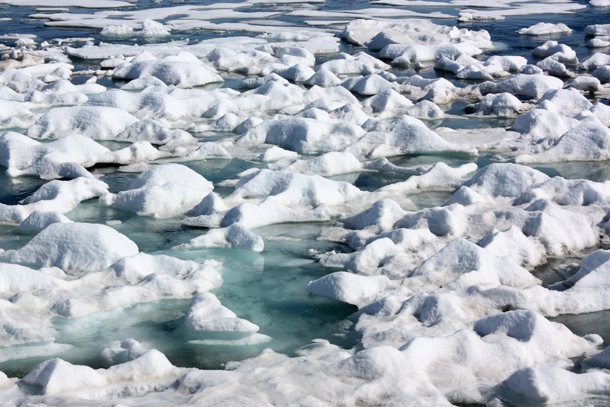
This week, Peter Dykstra and host Steve Curwood discuss recent reports of polystyrene trash in ice only a few hundred miles from the North Pole, and note the steady recovery of the huge endangered leatherback sea turtle. Then they remember the mystery of the Mayak nuclear disaster in Russia. Though it was the third largest nuclear accident in history, it was kept secret for more than 30 years, and is still mysterious today.
Cheetah
3 min read · 4 min listen

Living on Earth’s Explorer in Residence Mark Seth Lender gives us a glimpse into life on the Maasai Mara through the eyes of the world’s fastest feline: the increasingly threatened Cheetah.
Eyes in the Sky For Nature
8 min read · 11 min listen
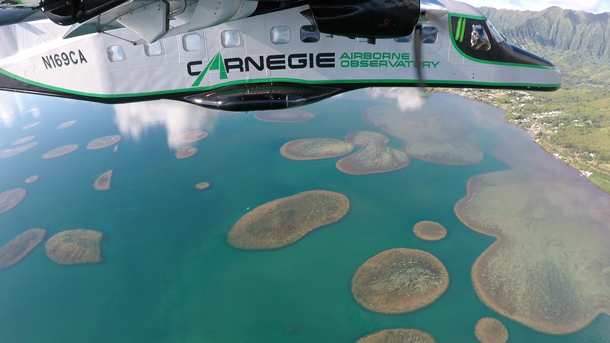
From satellites and aircraft scientists can examine the structure of ecosystems, even their chemical properties, to determine their health. Stanford ecologist Greg Asner helped develop a system of specialized scientific instruments for aircraft, and was recently recognized for these contributions with the 22nd Heinz Environment Award. Host Steve Curwood and Greg Asner discuss how this ultra high resolution remote sensing can help inform policy to protect natural resources like carbon-sequestering forests, and how the next frontier is to put this technology into orbit.
Shrinking America’s National Monuments
6 min read · 8 min listen
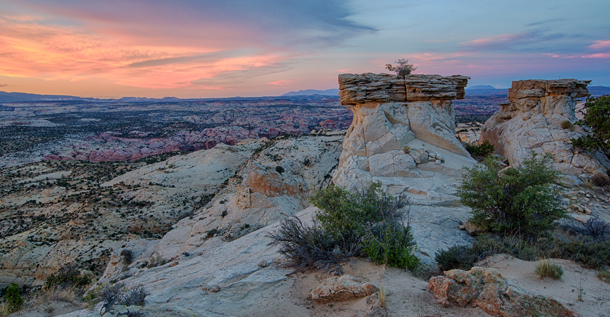
Following a four-month review of more than two dozen National Monuments, Secretary of the Interior Ryan Zinke submitted confidential recommendations to the Trump Administration in August. A leaked report spotlights Zinke’s proposals to shrink a number of Monuments and open some to extractive industries like mining, grazing and fishing. Vermont Law professor Hillary Hoffman joins Host Steve Curwood to discuss the legality of altering these protected and popular spaces.
The Web Imperils Endangered Species
10 min read · 13 min listen
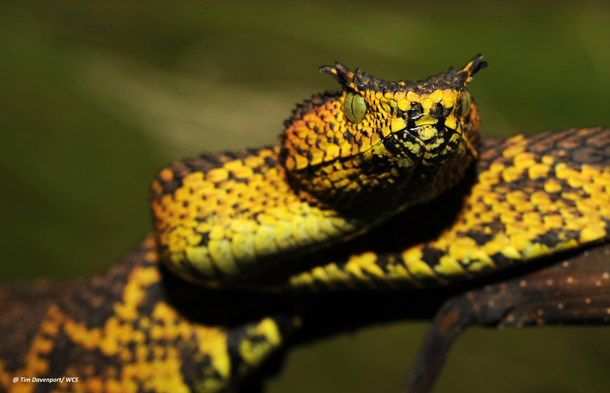
The surge in data publicly available on the internet has been a boon for biological science and conservation. But it’s also being used by dishonest collectors and poachers to easily locate rare plants and animals and sell them illegally for a hefty price. Host Steve Curwood spoke with wildlife journalist Adam Welz about how the need to regulate public data and find a happy middle ground to preserve the spirit of scientific discovery while protecting at-risk species.
Toxic Exposure & Hurricane Harvey
6 min read · 8 min listen
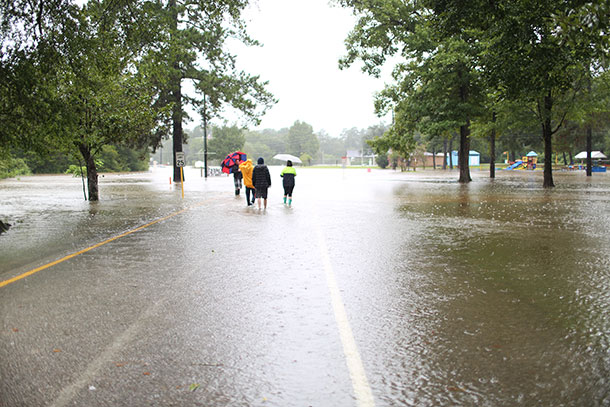
As Houston area people return to businesses and homes flooded during Hurricane Harvey, researchers are gathering base line data from volunteers on their chemical exposures wearing wristbands. Melissa Bondy, a Professor in the Department of Medicine-Epidemiology and Population Sciences at Baylor College of Medicine, explained to host Steve Curwood how these wristbands and mapping of reported releases will help assess current and future health risks for victims of natural disasters.