
Living on Earth: October 13th, 2017
Air Date: October 13, 2017
EPA Administrator Scott Pruitt has started to rollback the Clean Power Plan, President Obama’s signature policy to curb carbon emissions from power plants. As Vermont Law Professor Pat Parenteau tells host Steve Curwood, the bid to dump the regulation may be largely symbolic as analyses show the U.S. is ahead of schedule on emissions reduction goals. Yet this move could help prolong the life of the coal industry, despite market forces that make cleaner energy more profitable.
Ancient Trees Race to the Top
11 min read · 14 min listen
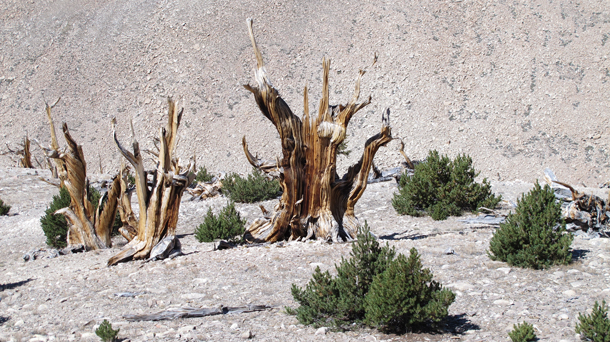
Trees tend to move to higher, cooler habitats in response to a warming climate. Now research on two pine tree species in the western US Great Basin that can live for thousands of years, the bristlecone and limber pines, shows that some species move faster than others. Young limber pines are taking over the higher real estate before their bristlecone cousins get there. Brian Smithers led the research at the University of California, Davis and tells host Steve Curwood this is partly due to the way the trees’ seeds are spread. It could be thousands of years before we really know how human-caused global warming has affected these enduring trees.
CO2 Boosts Photosynthesis
2 min read · 3 min listen
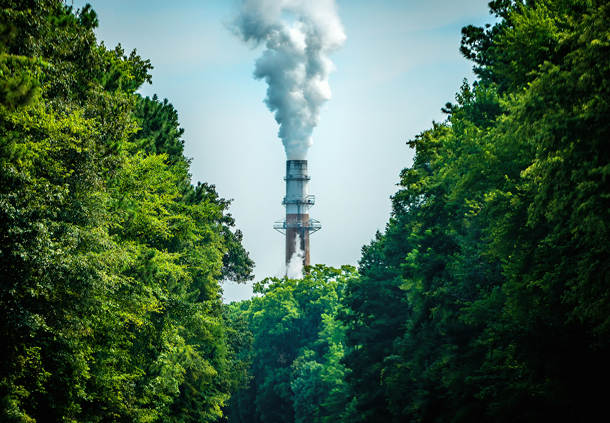
As carbon dioxide levels climb in the atmosphere, plants step up photosynthesis. Living on Earth’s Savannah Christiansen reports in this week’s Note on Emerging Science that the increased carbon in the air also allows vegetation to use water more efficiently.
Power Plan Sent to the Cleaners
10 min read · 14 min listen
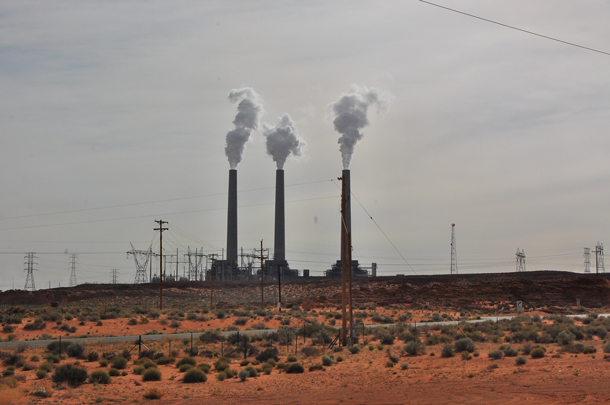
EPA Administrator Scott Pruitt has started to rollback the Clean Power Plan, President Obama’s signature policy to curb carbon emissions from power plants. As Vermont Law Professor Pat Parenteau tells host Steve Curwood, the bid to dump the regulation may be largely symbolic as analyses show the U.S. is ahead of schedule on emissions reduction goals. Yet this move could help prolong the life of the coal industry, despite market forces that make cleaner energy more profitable.
Rise of the Necrofauna
13 min read · 17 min listen
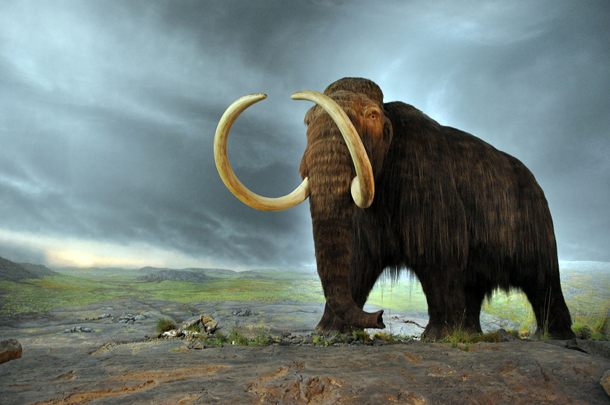
Bringing extinct species like dinosaurs back from the evolutionary graveyard has long been a science fiction story. But with new gene editing technologies, cloning and careful selective breeding, this dream of de-extinction could soon be a reality. In her new book, Rise of the Necrofauna, science writer Britt Wray looks into real-life efforts to bring back lost species and what recreating an extinct creature would entail. She discussed with Living on Earth’s Helen Palmer the scientific, ethical, and cultural challenges of emerging de-extinction technologies and what conquering extinction could mean for conservation in the future.
Tropical Forests Now Add To Global Warming
7 min read · 9 min listen
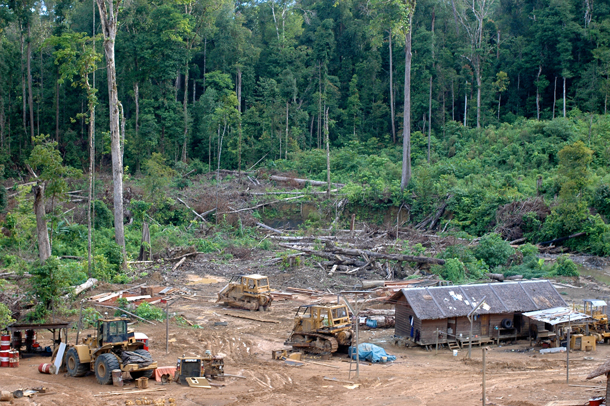
Tropical forests have historically absorbed excess carbon dioxide, but new research indicates that these areas are now actually a net source of CO2. Selective logging that degrades these ecosystems, along with deforestation, releases more carbon into the atmosphere than the remaining trees can sequester. Living on Earth Host Steve Curwood spoke with the study’s lead author, Alessandro Baccini of the Woods Hole Research Center.