
Living on Earth: October 27th, 2017
Air Date: October 27, 2017

The disappearance of many bees and butterflies has concerned scientists and the public for years, and now a new study from Germany confirms that the abundance of all flying insects has dropped over 75% since 1989. Dave Goulson, Professor of Biology at the University of Sussex in the UK, discusses the probable causes with host Steve Curwood, and says the problem is so serious, it could lead to an “Ecological Armageddon.”
A Farewell to Ice
13 min read · 17 min listen
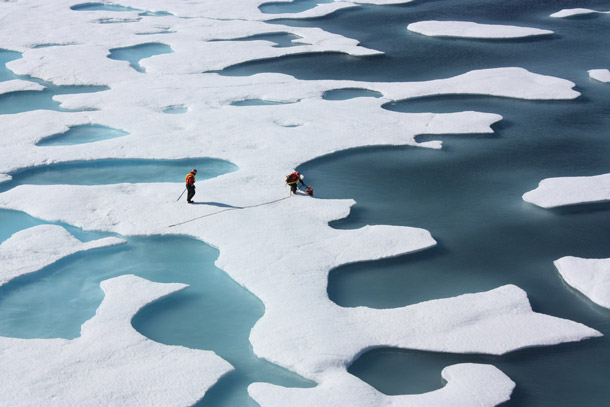
Year by year, the Arctic sea ice cover is dwindling, driven towards seasonal extinction by global warming. And the vanishing ice is having profound effects on the rest of the world. In A Farewell to Ice: A Report from the Arctic, polar researcher Peter Wadhams describes what’s happening to the thawing world in the North, drawing on his decades of study there. Living on Earth’s Helen Palmer spoke with Wadhams about the crisis facing our planet and what might be done to thwart disaster.
BirdNote®: Spooky Shearwaters
2 min read · 3 min listen
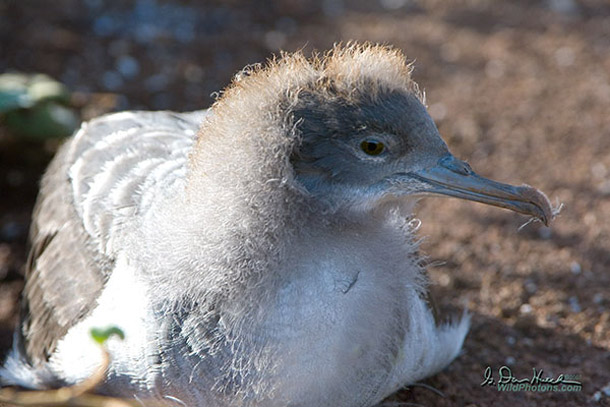
Upon first exploring the Indian and Pacific Oceans, European sailors were horrified by the haunting moans of seabirds called Wedge-tailed Shearwaters, as BirdNote’s Michael Stein explains.
EPA Toxics Nominee Under Fire
6 min read · 8 min listen

The Trump Administration’s nomination of Michael Dourson to lead the EPA’s Office of Chemical Safety and Pollution Prevention has been met with sharp criticism from environmental and public health advocates. David Michaels, former Assistant Secretary of Labor for OSHA, the Occupational Safety and Health Administration, tells host Steve Curwood that Dourson has frequently provided research for industry to sow doubt about the ill effects of toxic chemicals, and should not be trusted to put public health and safety first in regulating.
Flying Insects Crash
11 min read · 15 min listen
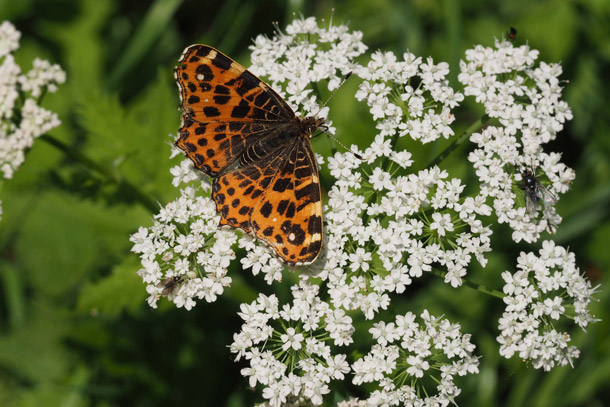
The disappearance of many bees and butterflies has concerned scientists and the public for years, and now a new study from Germany confirms that the abundance of all flying insects has dropped over 75% since 1989. Dave Goulson, Professor of Biology at the University of Sussex in the UK, discusses the probable causes with host Steve Curwood, and says the problem is so serious, it could lead to an “Ecological Armageddon.”
Hungry Polar Bear
2 min read · 3 min listen
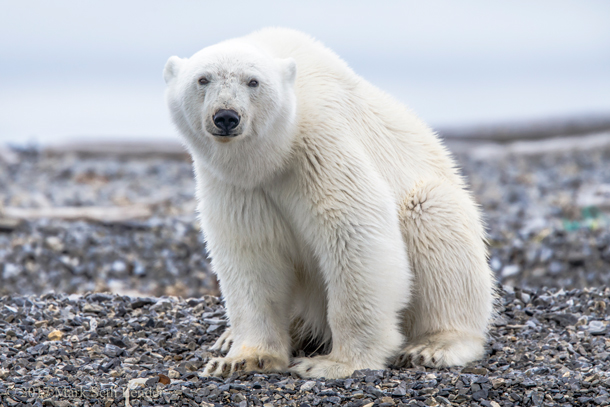
On a trip to the warming Arctic, Living on Earth’s Explorer in Residence Mark Seth Lender finds plastic is ubiquitous and polar bears are hungry.
Rising CO2 & Sea Life
9 min read · 11 min listen
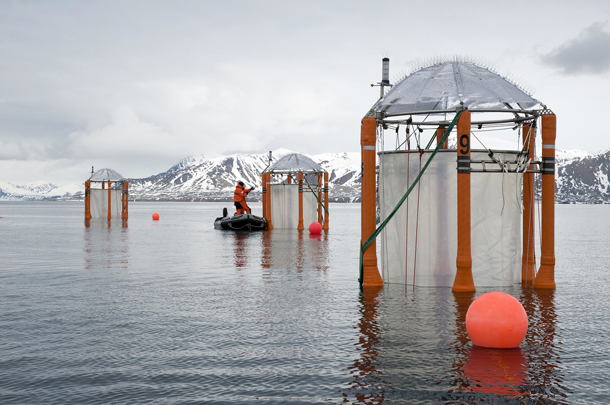
A new analysis finds that most if not all marine species will be affected by the rising acidity in the oceans from CO2 emissions. Research scientist Ulf Riebesell of the GEOMAR Helmholtz Centre for Ocean Research in Kiel, Germany spoke with host Steve Curwood about his team’s findings and what increasing ocean acidity could mean for species like corals and cod as well people who depend on the sea for food.