
Living on Earth: January 5th, 2018
Air Date: January 05, 2018
Minnesota is called “the Land of 10,000 Lakes,” and every year hundreds of thousands of people visit the pristine waters of its Boundary Waters Canoe Wilderness Area, and the Obama Administration had blocked a proposed copper and nickel mine next door. Now the mine is back in play after the Trump Administration reversed the ruling. Democratic Rep. Betty McCollum of Minnesota’s 4th congressional district tells host Steve Curwood that the sulfide ore mining process used to extract copper and nickel is known to pollute waters with acid, arsenic, mercury, and lead.
African Dams Dry Up Wetlands & Local Jobs
12 min read · 15 min listen
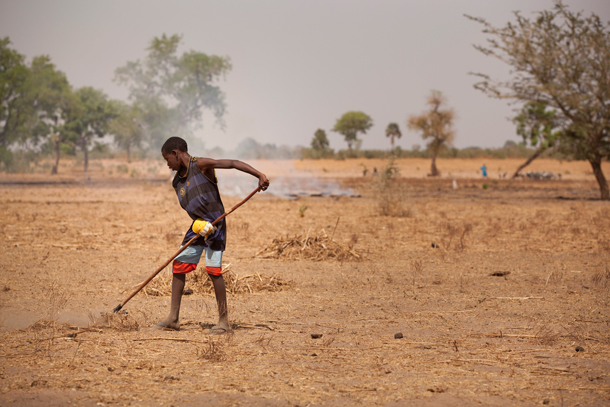
Dams in the Sahel of Africa can provide power and flood control, but the absence of seasonal floods is changing wetland environments and wrecking the livelihoods of people who depend on them. Journalist Fred Pearce connects the dots with host Steve Curwood from dams to parched wetlands to fishermen with no work, to desperate people leaving for Europe or joining terrorist groups like Boko Haram.
BirdNote®: Dawn ‘Round the World
1 min read · 2 min listen

As the sun rises around the Earth, melodious birdsong wakes the world, as Mary McCann celebrates in today’s BirdNote®.
Feds OK Wilderness Mining Lease
11 min read · 15 min listen
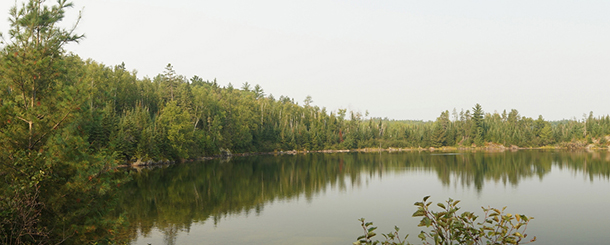
Minnesota is called “the Land of 10,000 Lakes,” and every year hundreds of thousands of people visit the pristine waters of its Boundary Waters Canoe Wilderness Area, and the Obama Administration had blocked a proposed copper and nickel mine next door. Now the mine is back in play after the Trump Administration reversed the ruling. Democratic Rep. Betty McCollum of Minnesota’s 4th congressional district tells host Steve Curwood that the sulfide ore mining process used to extract copper and nickel is known to pollute waters with acid, arsenic, mercury, and lead.
Heat Drives Migration
6 min read · 8 min listen

Rising temperatures in agricultural regions in developing countries correspond with an increase in refugee numbers seeking asylum in Europe, according to research published in the journal Science. Columbia University economist Wolfram Schlenker tells host Steve Curwood that if global warming gas emissions continue at the present pace the number of asylum seekers to Europe could increase by nearly 200 percent.
Safer Solutions for Hungry Wolves -- Emerging Science Note
3 min read · 3 min listen

Many ranchers in the west blame wolves for lost livestock, but a new study of predator control techniques may have found an alternative to killing these predators. Living on Earth’s Savannah Christiansen explains the strategy in this week’s Note on Emerging Science.
Sounds of Winter
4 min read · 5 min listen
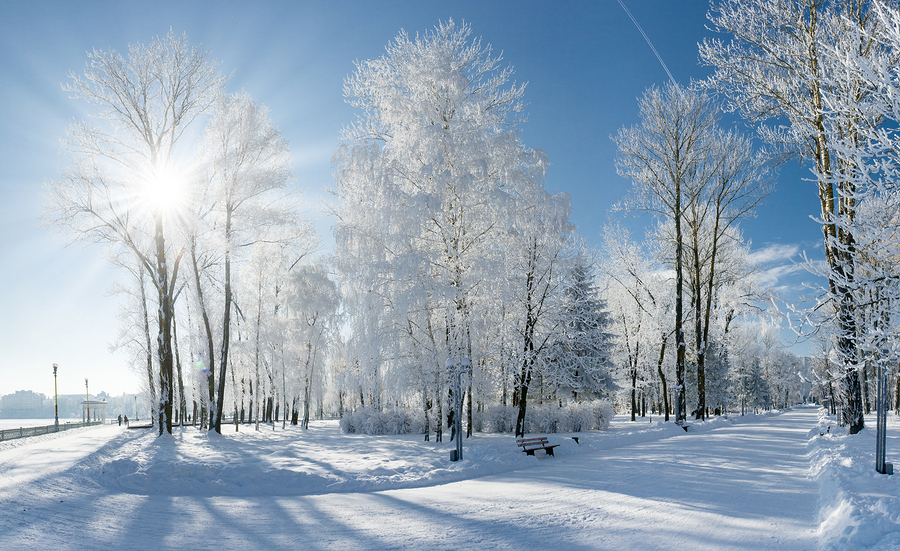
Listen closely. The frigid months of winter have a sound uniquely their own. As commentator Sy Montgomery points out, the cold and gray season’s bareness and rigidity help make its sounds vibrant.
The Headlines & Beyond Previews 2018
8 min read · 10 min listen

Peter Dykstra joins Steve Curwood to assess the environment and politics as the year turns, and finds little cause to think the current deregulatory push by the Trump Administration will change. Still, the states have become bright spots in the renewable energy sector and Congress is showing a bit more commitment to climate action.