Living on Earth: January 12th, 2018
Air Date: January 12, 2018
US natural disasters in 2017 cost $306 billion, the most expensive year since NOAA started keeping tabs in 1980. For a closer look at how the year's weather events resulted in such high damage costs, Host Steve Curwood turned to Kendra Pierre-Louis – a Climate Desk Reporter for the New York Times.
Beyond the Headlines
5 min read · 7 min listen
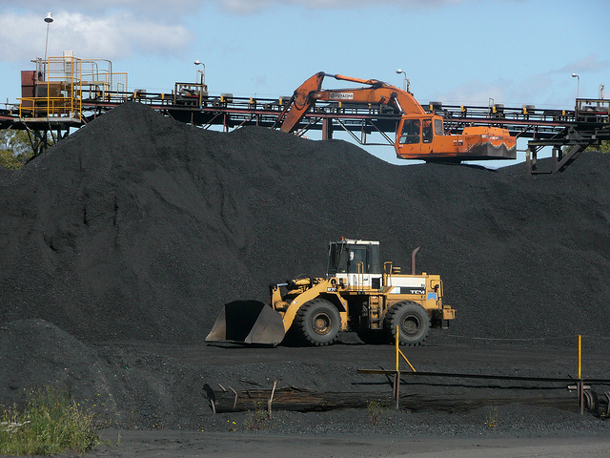
Peter Dykstra and Host Steve Curwood discuss a rebuke to the Trump administration’s efforts to prop up coal and nuclear power, and a controversial deal to allow a road through an Alaskan wildlife refuge. In environmental history, the two remember an agreement to disclose toxic chemicals in industrial settings, and how the events of 9/11 derailed that transparency.
Bitcoin, The Energy Hog
6 min read · 8 min listen
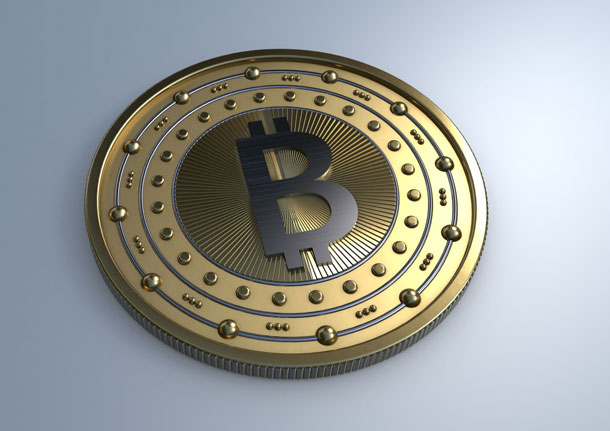
With a net value estimated at some $250 billion, Bitcoin has become the world’s premier virtual currency. Although it exists only online, it runs up huge energy costs in the real world. Data consultant Alex de Vries explains that verifying Bitcoin transactions is so energy intensive, the currency tops 159 individual countries in energy consumption. He and Host Steve Curwood explore Bitcoin’s climate costs.
Costliest Disaster Year Ever
7 min read · 10 min listen
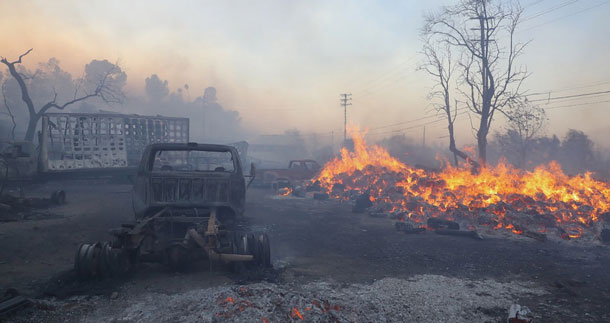
US natural disasters in 2017 cost $306 billion, the most expensive year since NOAA started keeping tabs in 1980. For a closer look at how the year's weather events resulted in such high damage costs, Host Steve Curwood turned to Kendra Pierre-Louis – a Climate Desk Reporter for the New York Times.
Nature, The First Best Teacher
8 min read · 11 min listen
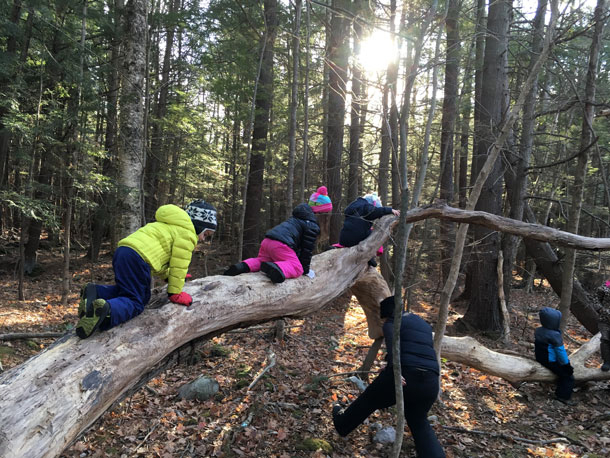
Nature-based preschools, where children spend most of their day outside, are a growing trend in the United States. Living on Earth’s Bobby Bascomb reports from a school in Chester, New Hampshire that kids who learn outdoors have better academic results – including higher scores on standardized tests – while they learn to love the outdoors and have fun.
Offshore Drilling Under Fire
7 min read · 9 min listen
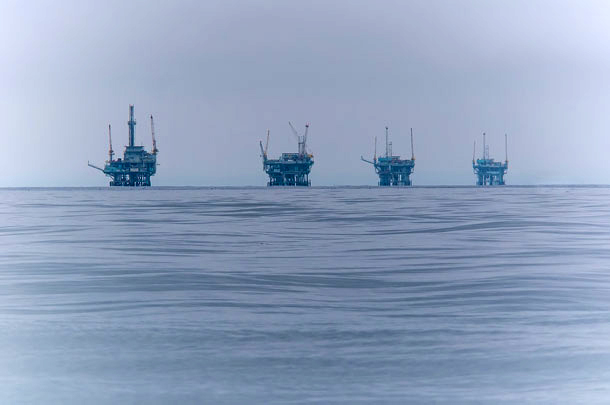
The Trump Administration’s plans to open up nearly all the US outer continental shelf to offshore drilling drew sharp bipartisan criticism. When US Interior Secretary Zinke exempted Florida, lawmakers from several other coastal states then asked for similar treatment, but no answers so far. Steve Kretzmann of Oil Change International explains to host Steve Curwood about why there’s such widespread opposition to offshore drilling, and how it risks not only spills but also the health of the entire planet.
Saving Trees That Helped Save Dust Bowl America
13 min read · 17 min listen
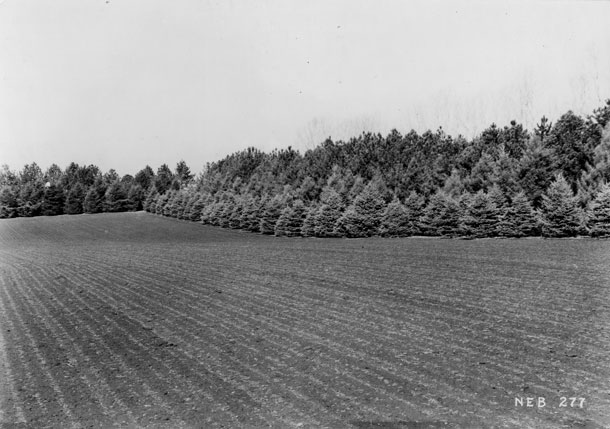
The Great Plains were the nation’s breadbasket, but drought in the 1930s created the Dust Bowl. President Franklin Delano Roosevelt’s solution was to plant trees as a shelterbelt to help hold back the dust. The plan worked, but now some farmers, forced by economic necessity to maximize crop yields, are cutting them down. Journalist Carson Vaughan of the Food and Environment Reporting Network joins Host Steve Curwood to examine the country’s increasingly vulnerable great wall of trees.