Living on Earth: February 9th, 2018
Air Date: February 09, 2018

Air pollution near schools can affect children’s health, intelligence and behavior. University of Utah professor Sara Grineski tells host Steve Curwood that her study published in Environmental Research finds more pollution in areas where poor and minority kids live and study. Among the worst affected school districts is in Camden, New Jersey where Keith Benson is president of the Camden Teachers Association. He tells Living on Earth’s Bobby Bascomb about the area and the health and cognitive problems he’s seen in his students.
America’s Toxic Schools
9 min read · 12 min listen

Air pollution near schools can affect children’s health, intelligence and behavior. University of Utah professor Sara Grineski tells host Steve Curwood that her study published in Environmental Research finds more pollution in areas where poor and minority kids live and study. Among the worst affected school districts is in Camden, New Jersey where Keith Benson is president of the Camden Teachers Association. He tells Living on Earth’s Bobby Bascomb about the area and the health and cognitive problems he’s seen in his students.
Beyond the Headlines
5 min read · 6 min listen
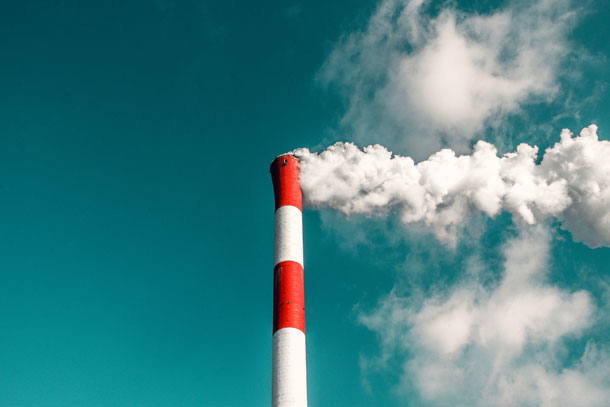
Peter Dykstra and host Steve Curwood examine recent developments in the Trump administration that undermine the regulation of toxic products. Plus, the duo discusses a withdrawn appointment to the Council on Environmental Quality and the USDA’s choice of a corn syrup lobbyist to help craft dietary guidelines. For the history lesson, Peter reminds us of a Clinton-era Executive Order meant to improve environmental justice.
Children & Environmental Toxins: What Everyone Needs to Know
17 min read · 23 min listen
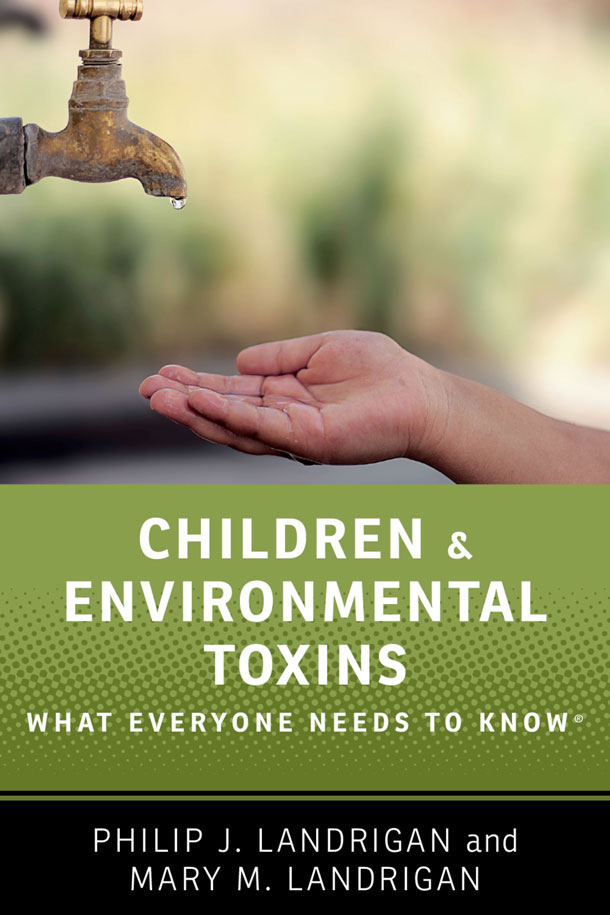
Rates of childhood asthma, learning problems, and cancer have been on the rise for decades -- and toxic chemicals, most of which are never tested for safety before they're sold, appear to be major culprits. In this conversation with host Steve Curwood, pediatrician Philip J. Landrigan connects the dots between exposure to environmental toxins and disease and shares strategies parents and child advocates can use to keep kids safe in a world full of pollution and awash in thousands of chemicals. Philip and his wife Mary Landrigan are co-authors of the new book, Children & Environmental Toxins: What Everyone Needs to Know.
China Rejects US Recyclable Plastic
6 min read · 7 min listen
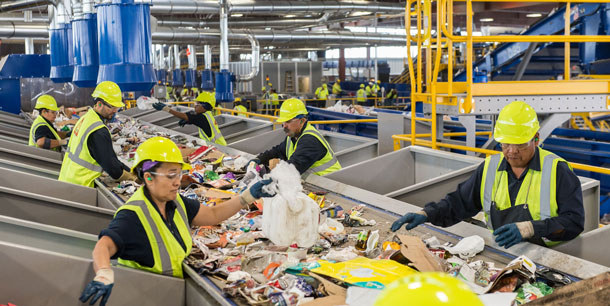
The Chinese government has announced that it will no longer accept recyclable plastic from the rest of the world. Ann Germain of the National Waste and Recycling Association tells host Steve Curwood that the US needs to play catch up and find alternatives to recycle the masses of plastic waste we create every day.
Lead and Violent Crime
7 min read · 9 min listen
For the past three decades, researchers from the University of Cincinnati have been following 240 people from largely African American neighborhoods of Cincinnati with high lead contamination. With each passing year, more is revealed about how lead in the environment affects health and behavior. Now, new research reveals that, even at low levels, lead exposure in early development shrinks key areas of the brain, and is also linked with violent crime. Living on Earth’s Ashley Ahearn traveled to Cincinnati and has our story.
Plastic Trash to Cash
7 min read · 9 min listen
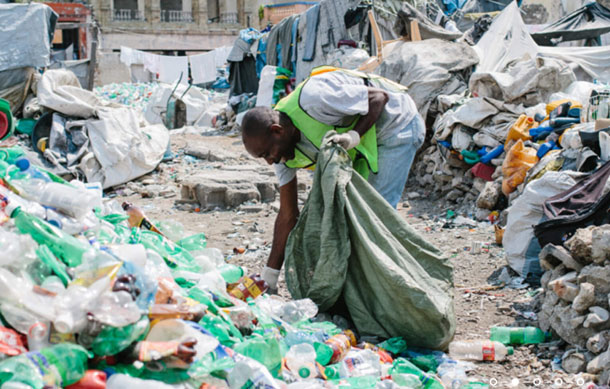
There are roughly 5 trillion pieces of plastic sloshing around in the world’s oceans, the vast majority coming from the world’s poorest countries where proper disposal or recycling is unavailable. David Katz, founder of the Plastic Bank, tells host Steve Curwood about his company that turns plastic waste collected by poor people into currency they can use to buy goods and services.