Living on Earth: February 23rd, 2018
Air Date: February 23, 2018
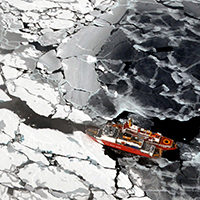
In December 2017, for the first time ever in winter, a tanker sailed without an icebreaker through the Northern Sea Route, a shipping lane that runs along the Arctic coast of Russia. Newer, tougher ship hulls and shrinking Arctic ice are now opening up this shorter, cheaper shipping route for business. But as Nancy Kinner, director of the Coastal Response Research Center and Center for Spills in the Environment tells Living on Earth’s Jenni Doering, oil spills there could spell disaster for fragile Arctic ecosystems.
As Sea Levels Rise, Nantucket Shores Up Crumbling Beaches
11 min read · 14 min listen
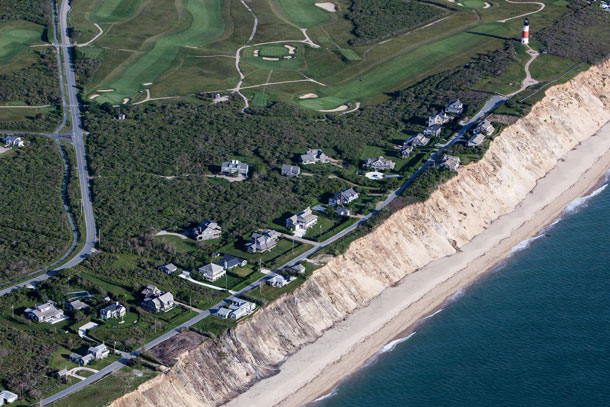
30 miles off the coast of New England, Nantucket Island is a historical gem and an upscale haven for summer vacationers. But erosion and rising seas are threatening some of its most expensive real estate. Living on Earth’s Jenni Doering reports that homeowners are funding an extensive engineering project – but some locals worry that it could have ecological consequences.
Beyond the Headlines
5 min read · 6 min listen
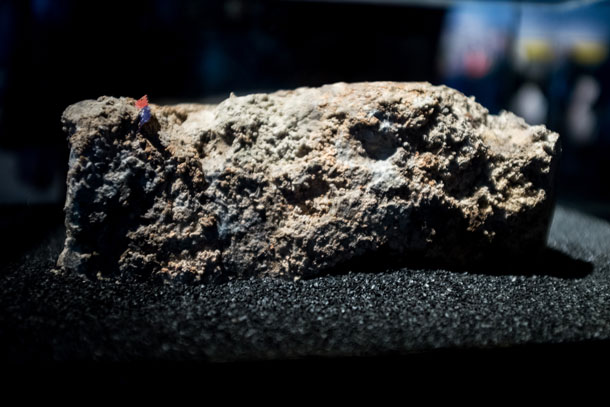
Peter Dykstra and Living on Earth’s Helen Palmer explore some environmental news beyond the headlines, including a surprise museum hit: a chunk of the London sewer-clogging “fatberg” that is drawing crowds. They discuss Alaskan Senator Lisa Murkowski, who pushed to open up protected wilderness for oil drilling and now calls for climate change awareness, and in history, they wish a happy birthday to Plutonium, the element that for better and worse helped launch the nuclear age.
Diluting Dispersant
5 min read · 6 min listen
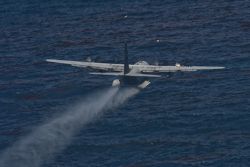
It’s been nine months since the oil disaster in the Gulf of Mexico began. More than two million gallons of chemical dispersants were used to break up and degrade the oil. What happened to those dispersants? Nancy Kinner of the University of New Hampshire tells host Bruce Gellerman that the dispersants have been diluted but not degraded.
Huge Reserves of Mercury Discovered in Arctic Permafrost
6 min read · 7 min listen
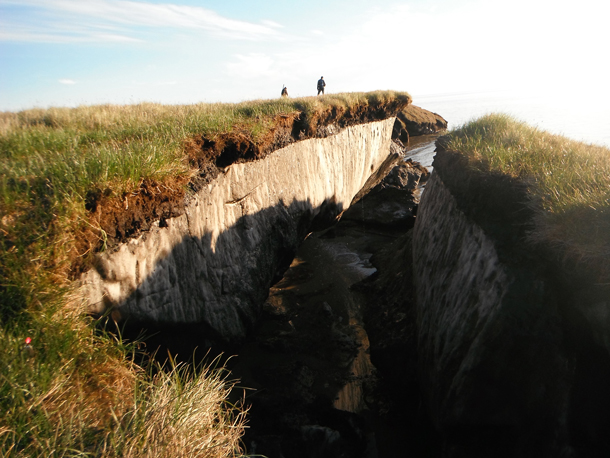
A new study estimates that Arctic permafrost contains some of the biggest reserves of mercury on the planet. As global warming melts permafrost, this huge pool could enter the food web and increase levels of toxic mercury worldwide. Living on Earth’s Jaime Kaiser speaks with study lead author Paul Schuster, a hydrologist with the United States Geological Survey, about the source and future of this frozen mercury.
Sea Lions at Play
2 min read · 3 min listen
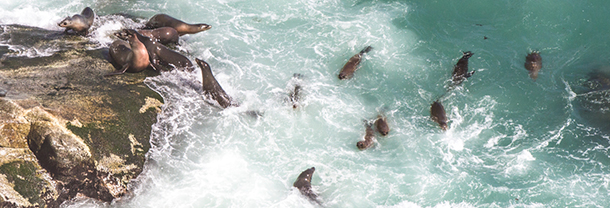
Like young humans, young sea lions love to play. Living on Earth’s explorer in residence, Mark Seth Lender, watched scores of the blubbery mammals diving through the crashing waves on an inaccessible beach far below the Pacific Coast Highway at Big Sur, and mused on their joy, and the threats they face.
The Telescope in the Ice: The Hunt for the Ghost Particle
13 min read · 17 min listen
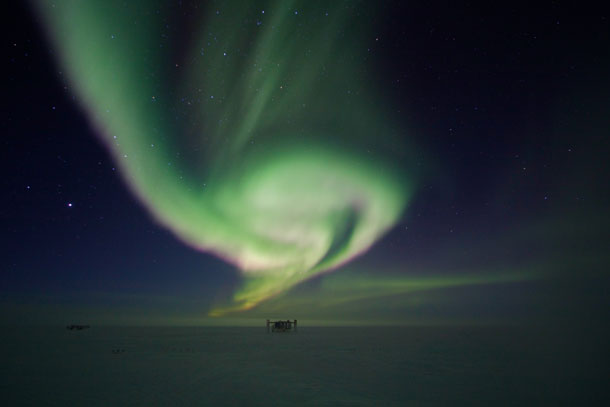
One of the world’s most sensitive telescopes is buried deep in Antarctic ice, searching for evidence of elusive neutrinos, tiny, subatomic particles. Writer Mark Bowen’s new book, The Telescope in the Ice: Inventing a New Astronomy at the South Pole, chronicles the decades-long project to build the IceCube Neutrino Observatory. As he tells Living on Earth host Steve Curwood, IceCube’s ability to spot where neutrinos came from provides a powerful new tool for understanding many mysteries of the universe.
Through the Melting Arctic Seas
7 min read · 10 min listen
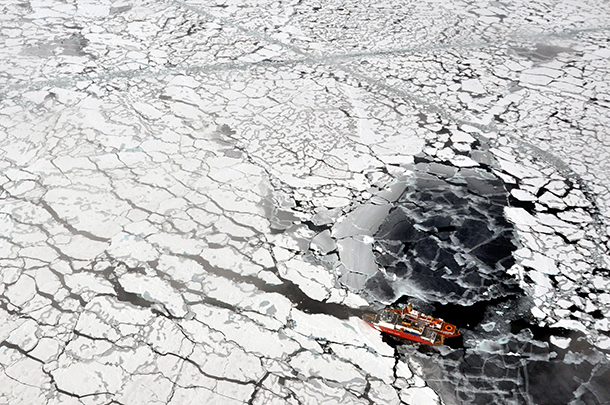
In December 2017, for the first time ever in winter, a tanker sailed without an icebreaker through the Northern Sea Route, a shipping lane that runs along the Arctic coast of Russia. Newer, tougher ship hulls and shrinking Arctic ice are now opening up this shorter, cheaper shipping route for business. But as Nancy Kinner, director of the Coastal Response Research Center and Center for Spills in the Environment tells Living on Earth’s Jenni Doering, oil spills there could spell disaster for fragile Arctic ecosystems.