Living on Earth: June 22nd, 2018
Air Date: June 22, 2018
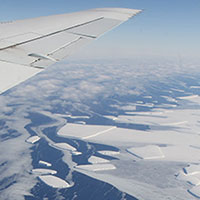
A new study in Nature finds Antarctica is now shedding more than 200 billion metric tons of ice every year, mostly from its western ice shelves. That’s three times the melt rate of just a decade ago, and climate disruption is largely to blame. Lead scientist Andrew Shepherd explains for Host Steve Curwood why the melting near the South Pole leads to more sea level rise, especially in the Northern Hemisphere, where the most people live on Earth.
Beyond The Headlines
4 min read · 5 min listen
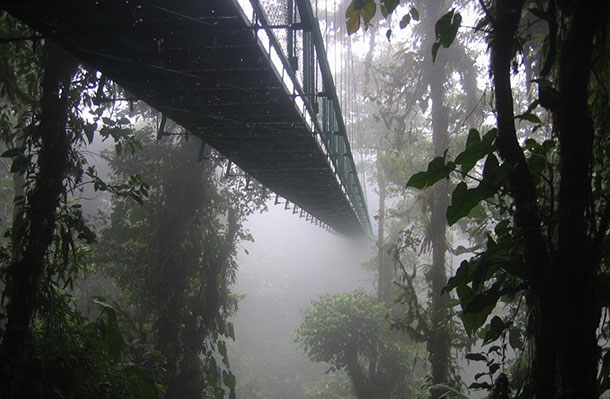
On this week’s Beyond the Headlines, Host Steve Curwood and Peter Dykstra discuss the Chesapeake Bay’s improvement of ecosystem health and Costa Rica’s pledge to go fossil free by 2021. Finally, the pair step back into history and recall NASA scientist James Hansen’s testimony before then-US Senator Al Gore (D-TN) on the dangers of climate change, thirty years ago.
Boston’s Rising Tide
5 min read · 6 min listen
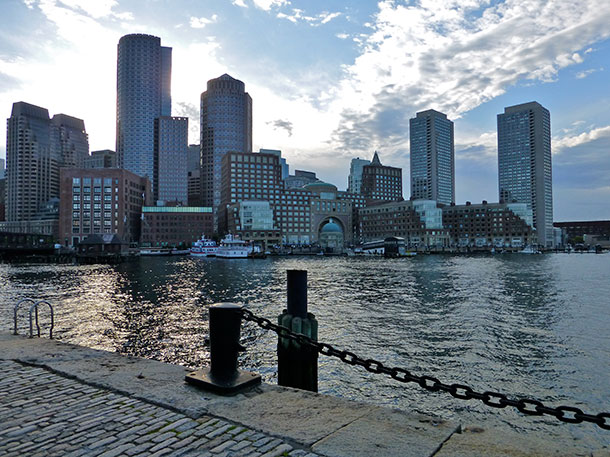
Boston Harbor is subject to tides as large as 12 feet, and most of its original tidal flats were filled in the late 1800s. As sea level rises, storm surges combined with high tide are putting more and more of downtown Boston at risk of flooding. Journalist Courtney Humphries and Host Steve Curwood discuss.
Humpback Whales Rebound
13 min read · 18 min listen
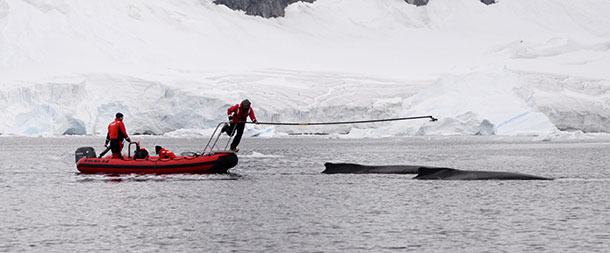
Nineteenth century commercial whaling killed the vast majority of whales, but some species are coming back, especially humpbacks. Melting Antarctic ice has led to an abundance of krill, and with all that food humpback whales are thriving with high rates of pregnancy. University of California – Santa Cruz Researcher Ari Friedlaender tells Host Steve Curwood the comeback should be celebrated as a conservation victory, but there are questions about how long the krill boom might last.
Seas Rising Faster With Antarctic Melt
9 min read · 12 min listen
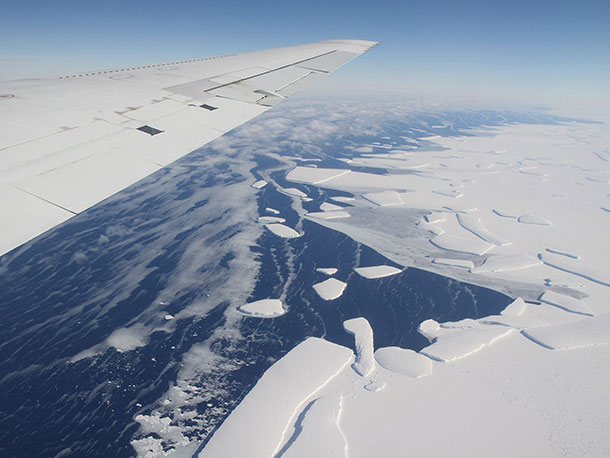
A new study in Nature finds Antarctica is now shedding more than 200 billion metric tons of ice every year, mostly from its western ice shelves. That’s three times the melt rate of just a decade ago, and climate disruption is largely to blame. Lead scientist Andrew Shepherd explains for Host Steve Curwood why the melting near the South Pole leads to more sea level rise, especially in the Northern Hemisphere, where the most people live on Earth.
The Last Lobster
13 min read · 17 min listen
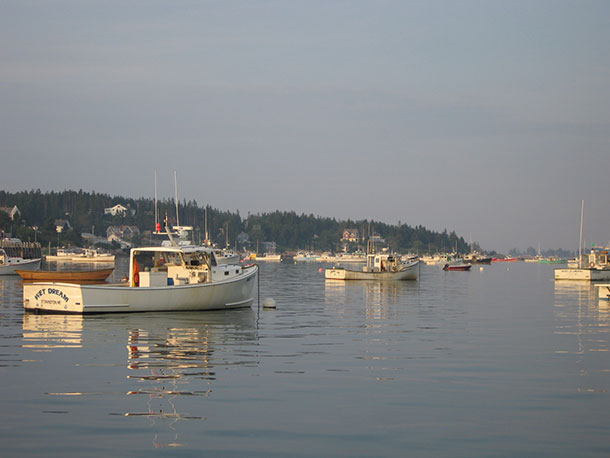
Maine lobstermen have hauled unprecedented catches and big profits in recent years. But now, the booming industry is seeing some signs of a downturn. Writer Christopher White interviewed dozens of lobstermen and lobsterwomen for his new book, The Last Lobster: Boom or Bust for Maine’s Greatest Fishery. He tells Host Steve Curwood what a warmer future might hold for the Maine lobster fishery as these crustaceans migrate north in search of colder ocean waters.