Living on Earth: August 3rd, 2018
Air Date: August 03, 2018

An interdisciplinary effort analyzed vast amounts of climate and economic data to forecast certain regions of the United States will be hit harder than others by global warming. Economist and lead author Solomon Hsiang of the University of California, Berkeley, told Living on Earth Host Steve Curwood the study estimates southern counties of the US, many of which are poor, could face a 20% decline in economic activity if carbon emissions continue unabated through the 21st century.
100% Sun Power for Hampshire College
6 min read · 8 min listen
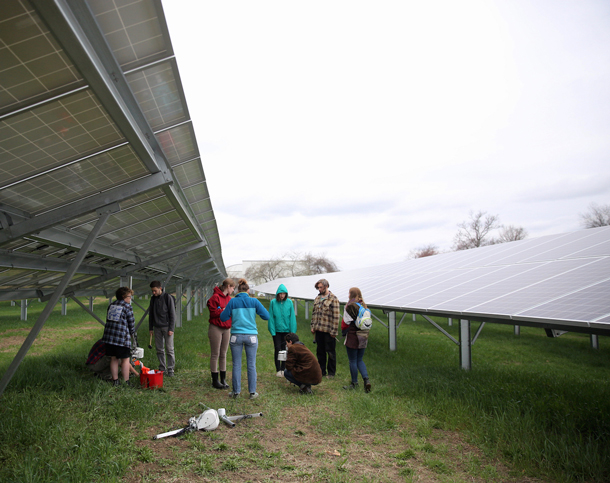
Hampshire College, with about 1400 students in Western Massachusetts, has just become the first residential U.S. College with 100% solar electricity. Hampshire College’s President, Jonathan Lash, joins host Steve Curwood to discuss the costs, benefits and ideas that underpin this switch to renewable energy.
BirdNote: When the Amazon Floods
2 min read · 2 min listen

Floods can be devastating and destructive, but in the Amazon, as Mary McCann notes, annual floods are vital for many exotic bird species.
Fossil Fuel Freedom Fighters
6 min read · 8 min listen

A new generation of nature writers is coming of age in America, and understanding how much of the pristine landscape their parents and grandparents enjoyed has gone. These new writers’ work is collected in the book Coming of Age at the End of Nature. Activist Bonnie Frye Hemphill reads and discusses part of her essay “Fossil Fuel Freedom Fighters”, and explains why, despite difficult odds, her generation is working towards a transition away from fossil fuels.
Global Warming to Worsen Southern Poverty
10 min read · 13 min listen

An interdisciplinary effort analyzed vast amounts of climate and economic data to forecast certain regions of the United States will be hit harder than others by global warming. Economist and lead author Solomon Hsiang of the University of California, Berkeley, told Living on Earth Host Steve Curwood the study estimates southern counties of the US, many of which are poor, could face a 20% decline in economic activity if carbon emissions continue unabated through the 21st century.
High Tech Rain
6 min read · 8 min listen
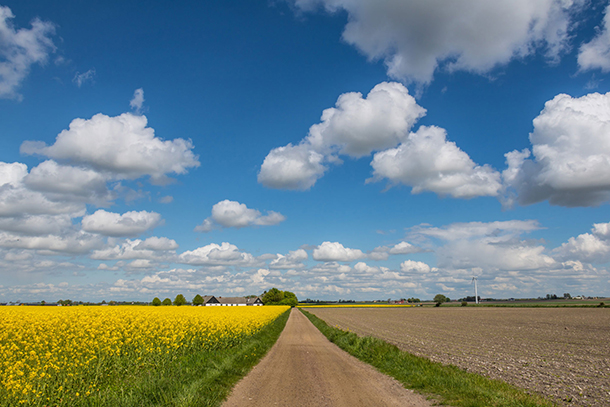
For the millennial generation, nature is not the pristine grand wilderness it was for writers like John Muir. But they are relating to the natural world in new ways, and in this essay from Coming of Age at the End of Nature, writer Megan Kimble dissects her growing concern about the efficacy and ethics of creating “artificial rain,” through a process known as cloud seeding.
Linking Fracking and Radon
7 min read · 9 min listen
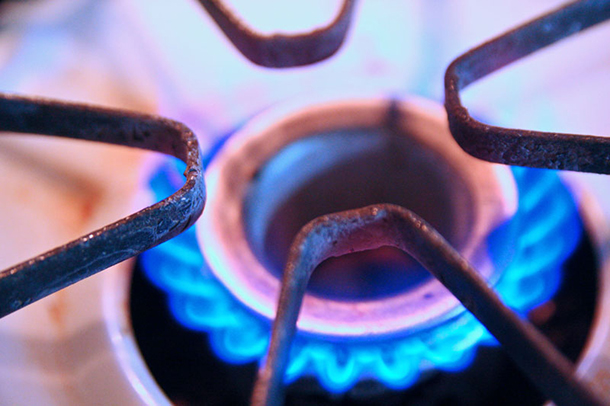
Pennsylvania homes have high levels of radon, a substantial risk factor for lung cancer. A recent research project from Johns Hopkins University surprised state experts when it found a correlation between the natural gas fracking boom and an increase in radon levels. But as the Allegheny Front’s Julie Grant reports, that may not be the whole story.
Science Note: Nanowire Battery Breakthrough
2 min read · 3 min listen
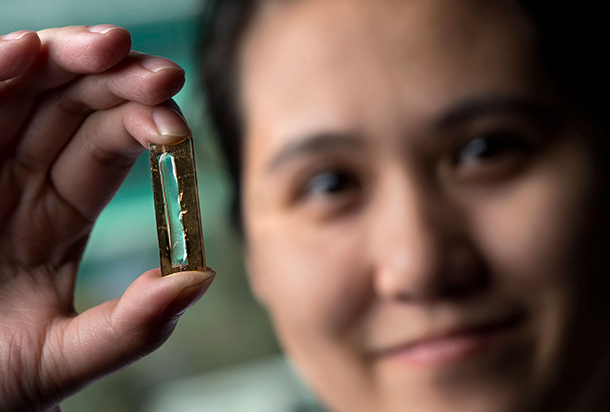
Even the best batteries can only be recharged so many times, but scientists have created a new nanowire based system that increases lifespan dramatically. As Alexander Metzger reports in today’s Note on Emerging Science, the key to this game-changing battery is a special coating.
The Telescope in the Ice: The Hunt for the Ghost Particle
13 min read · 17 min listen
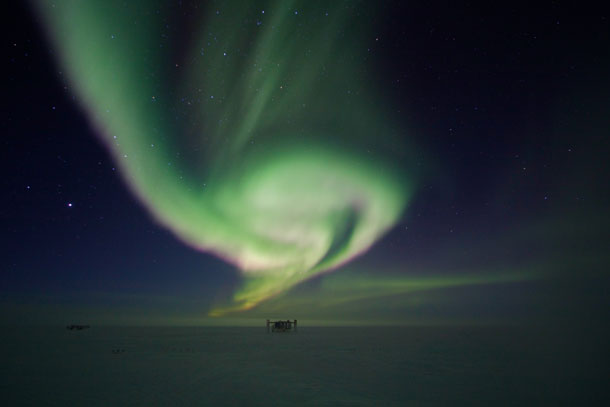
One of the world’s most sensitive telescopes is buried deep in Antarctic ice, searching for evidence of elusive neutrinos, tiny, subatomic particles. Writer Mark Bowen’s new book, The Telescope in the Ice: Inventing a New Astronomy at the South Pole, chronicles the decades-long project to build the IceCube Neutrino Observatory. As he tells Living on Earth host Steve Curwood, IceCube’s ability to spot where neutrinos came from provides a powerful new tool for understanding many mysteries of the universe.
Urban Foraging at the End of Nature
5 min read · 7 min listen
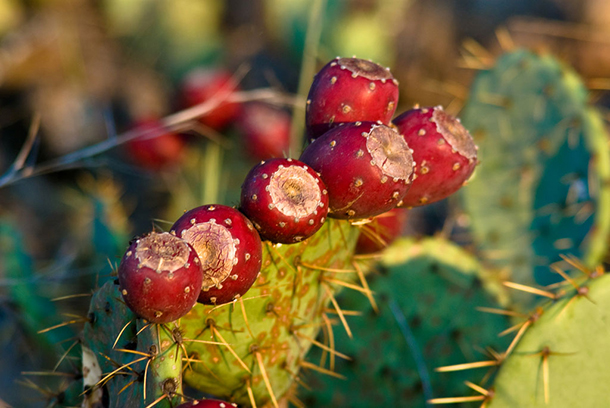
Many of today’s environmental writers grew up in urban landscapes, during economic recessions. But urban nature can also offer riches for those who are willing to look. University of New Mexico professor Amaris Ketcham reads and discusses her essay “Urban Foraging,” featured in a new collection, Coming of Age at the End of Nature.