
Living on Earth: September 7th, 2018
Air Date: September 07, 2018
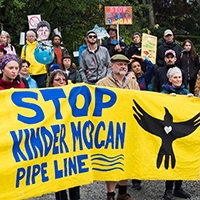
Canada’s Federal Appeals Court has blocked the controversial Trans Mountain Pipeline Expansion unless and until the Trudeau government properly consults with First Nations and studies impacts to southern resident killer whales, a process expected to push the project well past Canada’s elections in 2019. Rather than see the expansion project die for lack of private capital the Canadian government has purchased the Trans Mountain Pipeline for $4.5 billion. Host Steve Curwood spoke with reporter Laura Kane of The Canadian Press.
A Pipeline Eco Engineer Protests
16 min read · 21 min listen
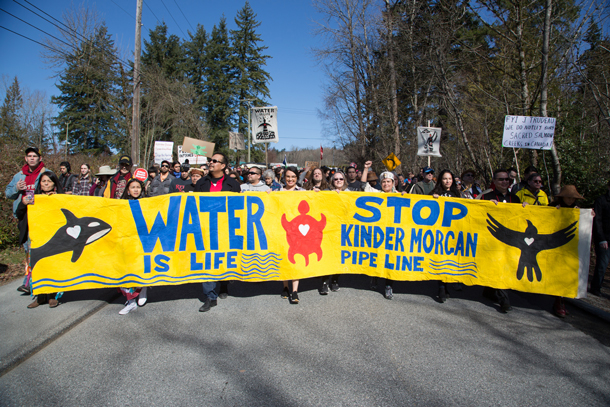
Romilly Cavanaugh once worked as an environmental pipeline engineer for Trans Mountain, a unit of Kinder Morgan that’s now trying to expand a Canadian tar sands oil pipeline. After she quit she became alarmed by global warming, and on March 20 she joined 200 protestors trying to block pipeline construction. She now awaits trial for criminal contempt of court. The pipeline would nearly triple oil sands flowing to the Port of Vancouver and would cross First Nations territory. Worried by strong opposition, Kinder Morgan wants government legal and financial guarantees to continue. Ms. Cavanaugh told host Steve Curwood about her convictions on the need to curb climate-changing gas emissions, protect the land and water from oil spills, and to respect Indigenous rights.
Beyond the Headlines
5 min read · 6 min listen

In this week’s trip beyond the headlines, Peter Dykstra tells Host Steve Curwood that former Mass. Republican governor and Utah US Senate candidate Mitt Romney appears to have flipped – again – on how seriously he’s taking climate change. Then, they discuss a request by oil and gas companies in Texas for protection against sea level rise. Finally, they reflect on George H. W. Bush’s environmental legacy and the passing of Ed Marston, a founder of High Country News.
Canada Buys Tar Sands Oil Pipeline
7 min read · 9 min listen
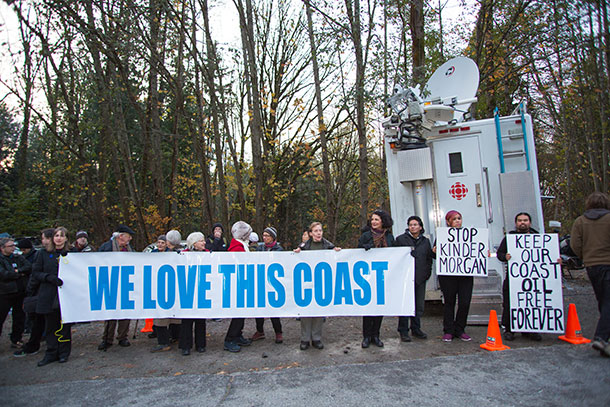
Canadian Prime Minister Justin Trudeau recently announced that the federal government will fund Kinder Morgan’s Trans Mountain Pipeline, which would carry oil sands crude and refined oil for export from Alberta to the coast of British Columbia. The deal has angered many climate activists, but the Canadian government says it’s important to the economy. Host Steve Curwood spoke with National Observer Managing Editor Mike De Souza, based in Ottawa, Canada.
Climate Will Drive Corn Crop Failure
7 min read · 9 min listen

Corn, also known as Maize, is the world’s most produced food crop. But it is headed for trouble as the world warms. A new study published in Proceedings of the National Academy of Sciences finds that climate change increases the risk of simultaneous corn crop failures. Lead scientist Michelle Tigchelaar explains to Host Savannah Christiansen how different climate warming scenarios could impact global maize production.
Crop Pests in a Warmer World
7 min read · 9 min listen

Climate disruption poses significant threats to agricultural yields. Now, a new study examines how rising temperatures could lead to increased insect pest activity and dramatic crop loss. Host Steve Curwood spoke with Michelle Tigchelaar, a research associate at the University of Washington and one of the authors on the study.
Eager: The Surprising Secret Life of Beavers
17 min read · 23 min listen
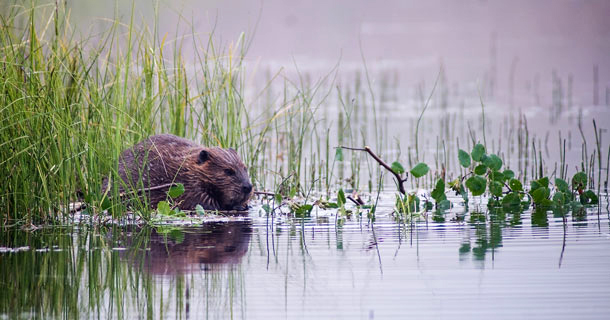
The largest rodent in North America is sometimes seen as merely a pest, but a growing cohort of self-styled “beaver believers” is celebrating these toothy, dam-building creatures as a keystone species on which entire freshwater ecosystems depend. A 2018 book, Eager: The Surprising, Secret Life of Beavers and Why They Matter, takes readers up close and personal with their history, ecology and physiology. Author Ben Goldfarb spoke with Living on Earth’s Jenni Doering about why some landowners are welcoming in beavers to help store water and revitalize streams in the increasingly arid American West.
How Beavers Help Save Water
11 min read · 14 min listen
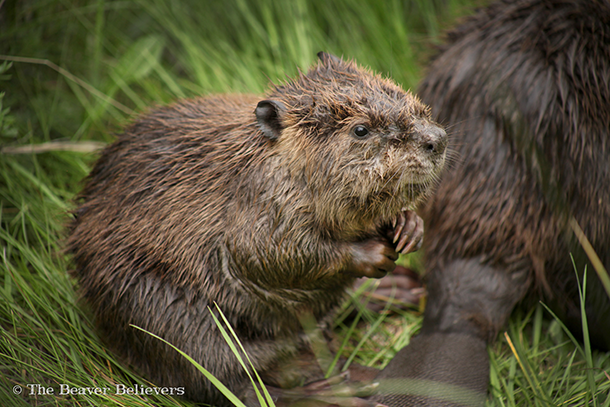
In the drought-ridden West, some people are partnering with beavers to restore watersheds, where, before trappers arrived, the large rodents once numbered in the millions. Film-maker Sarah Koenigsberg captures various efforts to reintroduce beavers to their former habitat in her documentary The Beaver Believers and tells host Steve Curwood why beavers are essential for a healthy ecosystem.
Trans Mountain Pipeline Expansion Blocked
9 min read · 12 min listen
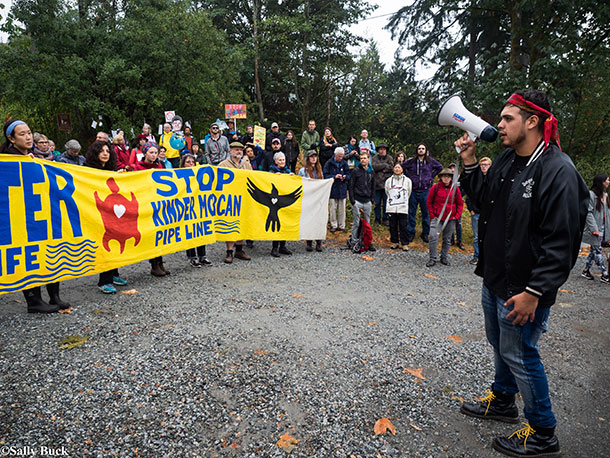
Canada’s Federal Appeals Court has blocked the controversial Trans Mountain Pipeline Expansion unless and until the Trudeau government properly consults with First Nations and studies impacts to southern resident killer whales, a process expected to push the project well past Canada’s elections in 2019. Rather than see the expansion project die for lack of private capital the Canadian government has purchased the Trans Mountain Pipeline for $4.5 billion. Host Steve Curwood spoke with reporter Laura Kane of The Canadian Press.
Volunteers Test Drinking Water in Puerto Rico
8 min read · 10 min listen
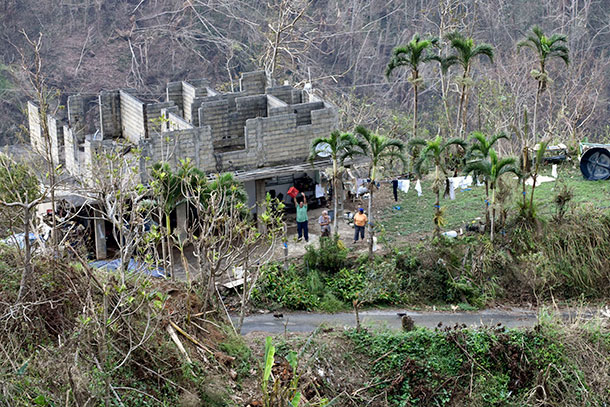
When Hurricane Maria struck Puerto Rico, water utilities were shut down, making access to safe drinking water one of the most pressing issues across the island. Faced with water-borne diseases, a citizen science group in Rincón, Puerto Rico rallied to help test drinking water sources. Living on Earth’s Bobby Bascomb reports.