
Living on Earth: September 21st, 2018
Air Date: September 21, 2018
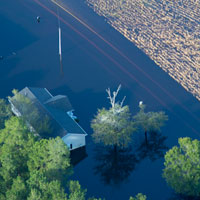
Heavy rains and floods from Hurricane Florence inundated North and South Carolina with hog and poultry manure, and also threaten the structural integrity of coal ash ponds loaded with toxic metals. Living on Earth's Bobby Bascomb spoke with Catawba Riverkeeper Sam Perkins about how weak regulations and lack of enforcement put public health at risk.
An App For Urban Foraging
6 min read · 8 min listen
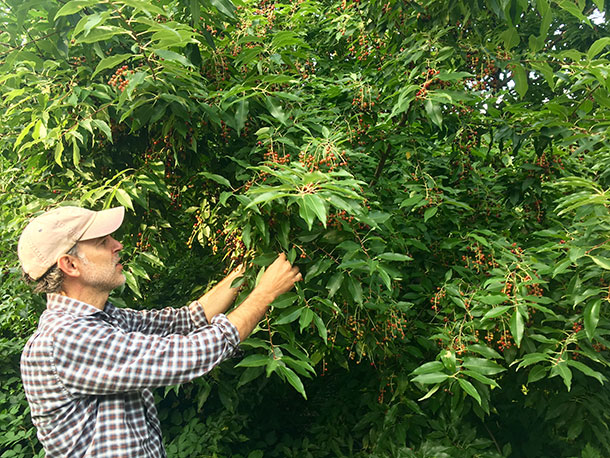
The harvest season brings a bounty of edible foods, even in cities. An online map called Falling Fruit is using public datasets to guide foragers to food for the taking. Living on Earth’s Savannah Christiansen reports.
Beyond The Headlines
4 min read · 6 min listen
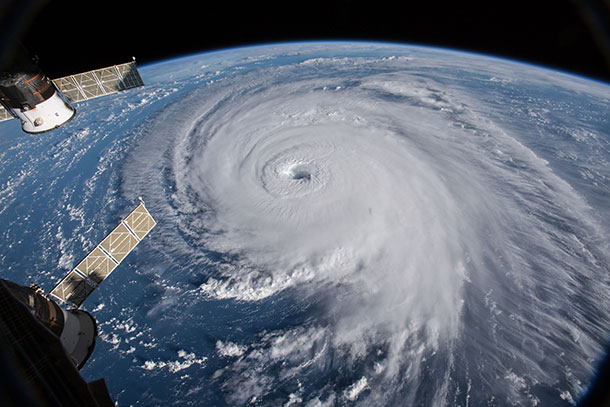
Peter Dykstra and Host Bobby Bascomb discuss the extra hardships that the Gullah and Geechee people, who are descended from slaves and live off the coast of South Carolina, face in the wake of Hurricane Florence. Then, they note the dangers of an alternative to BPA and take a look at how the removals of major hydroelectric dams can help struggling fish populations recover.
Helping Fish Return to the Elwha River
7 min read · 10 min listen
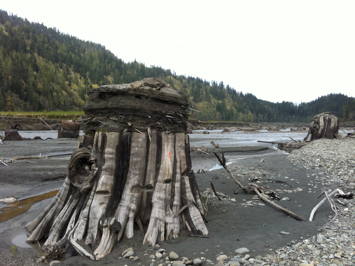
The biggest dam removal project in US history is nearly complete, and fish can swim freely up the Elwha River again. And as Ashley Ahearn of EarthFix reports, salmon and steelhead trout are getting a helping hand upriver.
“Pa’lante”: Puerto Rican Resilience After Maria
16 min read · 21 min listen
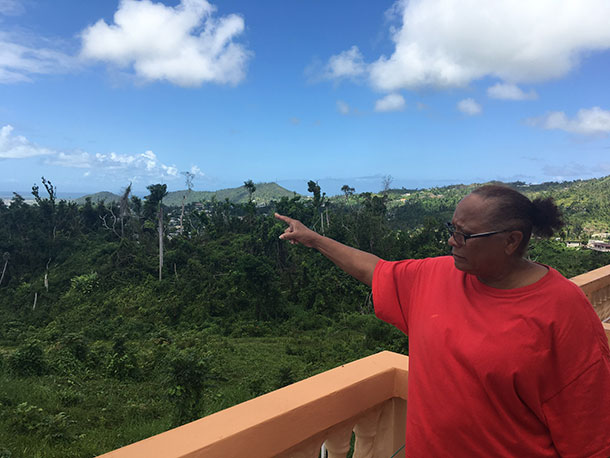
It’s been a year since Hurricane Maria made landfall on Puerto Rico, taking roughly 3,000 lives. Most the morbidity came not from the wind and rain of the hurricane itself, but rather from the isolation that followed. Cut off from the outside world, many people died from such conditions as treatable infections, unsafe water and accidental electrocution. But as Living on Earth’s Bobby Bascomb reports, some communities are looking at Hurricane Maria as a call to organize and become more resilient for future storms.
Science Note: Hurricanes, Lizards and Leafblowers
2 min read · 3 min listen
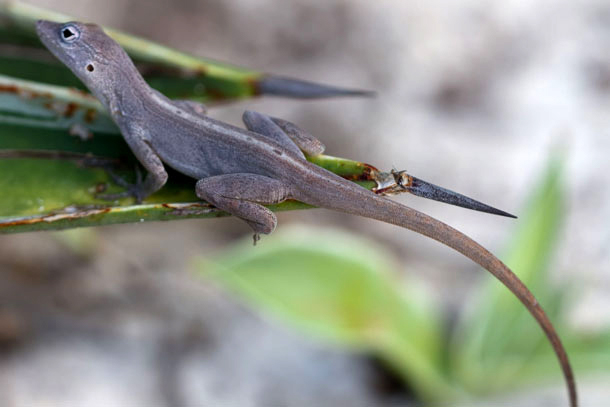
Hurricanes may act as a force of natural selection for Caribbean lizards, according to a recent study in the journal Nature. Living on Earth’s Don Lyman explains how scientists used leaf blowers to simulate hurricane-force winds to study how the hardiest lizards hang on.
Undamming the Elwha
6 min read · 8 min listen

In the second part of our series about the historic dam removal project on the Elwha River in Washington State, Earthfix’s Ashley Ahearn looks at the role hatcheries may play in bringing back salmon populations.
Wastes Flood The Carolinas
8 min read · 10 min listen
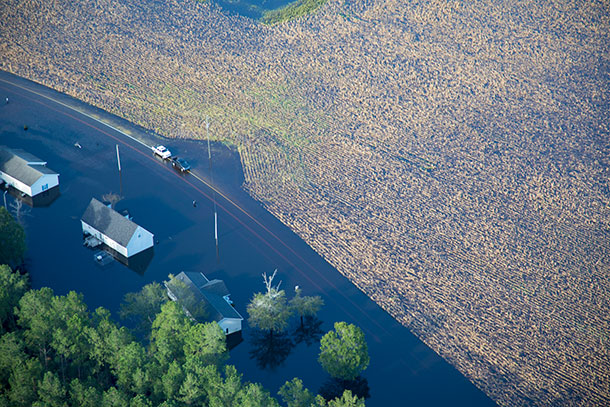
Heavy rains and floods from Hurricane Florence inundated North and South Carolina with hog and poultry manure, and also threaten the structural integrity of coal ash ponds loaded with toxic metals. Living on Earth's Bobby Bascomb spoke with Catawba Riverkeeper Sam Perkins about how weak regulations and lack of enforcement put public health at risk.
Women Climate Scientists Threatened and Harassed
7 min read · 9 min listen
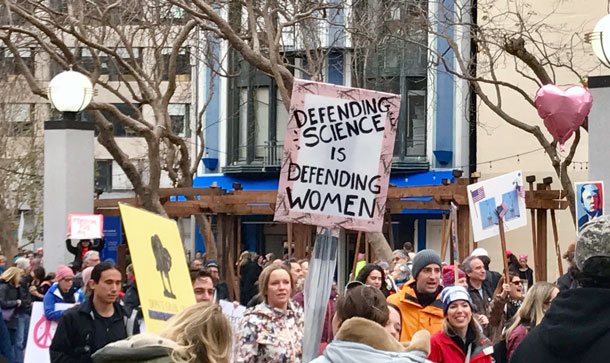
Climate scientists of all genders face harassment, bogus records requests, and even death threats. But women climate researchers are often subjected to sexist and misogynistic attacks as well. There are allegations climate-denying “lone wolves” and climate denial organizations may be linked to these efforts to silence climate scientists. Lauren Kurtz, the Executive Director of the Climate Science Legal Defense Fund, tells Host Bobby Bascomb about the kinds of harassment and threats her clients have faced and fought back against.