Living on Earth: October 26th, 2018
Air Date: October 26, 2018
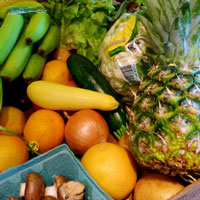
Breast cancer rates were 35% less in older women and lymphomas were 70% less among high consumers of organic food, in a major study of nearly 69,000 persons conducted over seven years by French scientists and published in JAMA’s Internal Medicine Journal. The observed decrease in cancer risk is associated with organic food’s lack of pesticides, dyes and other additives, though more research is necessary to confirm these results and understand possible mechanisms. Ken Cook, President of the Environmental Working Group, joins Host Steve Curwood to consider consumer and research choices in light of this news.
Acquitted For Climate Convictions
14 min read · 19 min listen
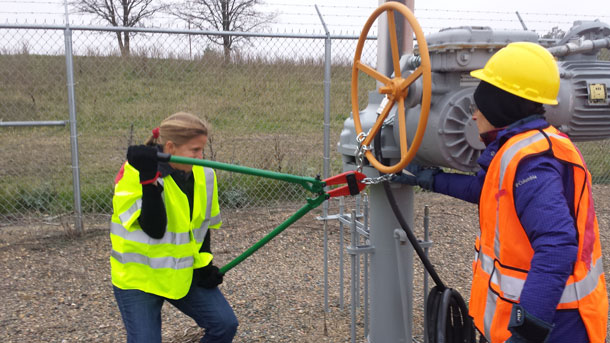
Annette Klapstein and Emily Johnston knew they could face felony charges when they temporarily shut down two Enbridge tar sands oil pipelines in October of 2016. But these two ‘valve turners’ say they were compelled to engage in civil disobedience by the dire circumstances of our warming planet. In a conversation with Host Steve Curwood, they discuss their mixed feelings upon being acquitted of felony charges for damaging the pipelines without having the chance to present a climate necessity defense.
Beyond The Headlines
5 min read · 7 min listen
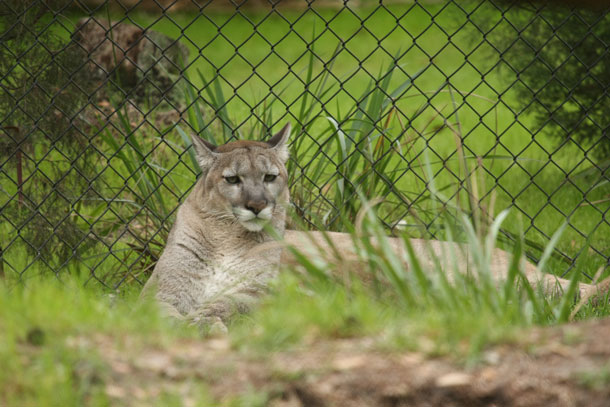
With professional baseball, football, hockey and basketball all active this past week in the United States, Peter Dykstra gives Host Steve Curwood an ecological scorecard for the real and sometimes endangered animals that are mascots for professional sports teams. Also, how some late-night comedians are choosing to poke fun at public perceptions of climate change. And an historical note about three grey whales that rose to celebrity status about three decades ago.
BirdNote®: Saw-whet Owls Hoot And Hoot
2 min read · 3 min listen
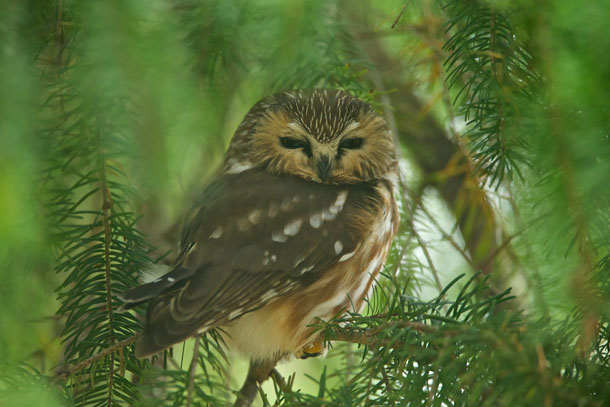
At less than three ounces, the Northern Saw-Whet Owl is one of the smallest owls in North America. But this tiny bird’s repetitive call, which sounds much like a vehicle backing up, can break through even the deepest slumber. BirdNote’s Mary McCann tells us more about the Northern Saw-Whet Owl and its autumn migration.
Gaza Water Crisis
14 min read · 18 min listen
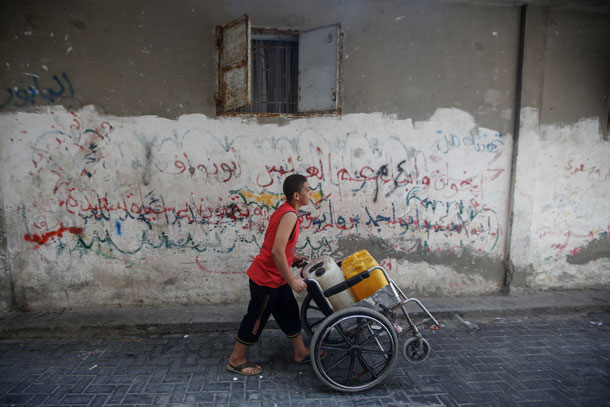
In the Mideast’s hotly contested Gaza Strip, where three out of four people are refugees, access to electricity and clean water is severely limited. The unsafe drinking water has led to a worsening health crisis for Gaza’s children, who suffer from diarrhea, kidney disease, stunted growth and impaired IQ. The problems include the lack of electricity to run Gaza’s sewage treatment plant, and the long-running conflict between Israelis and Palestinians. Sandy Tolan reports from the Gaza Strip.
More Organics, Less Cancer
8 min read · 10 min listen
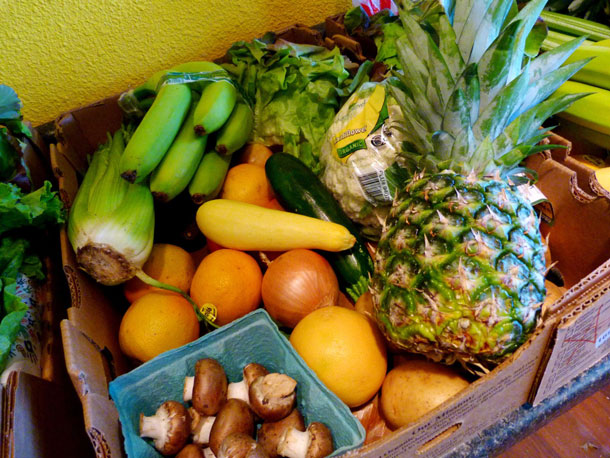
Breast cancer rates were 35% less in older women and lymphomas were 70% less among high consumers of organic food, in a major study of nearly 69,000 persons conducted over seven years by French scientists and published in JAMA’s Internal Medicine Journal. The observed decrease in cancer risk is associated with organic food’s lack of pesticides, dyes and other additives, though more research is necessary to confirm these results and understand possible mechanisms. Ken Cook, President of the Environmental Working Group, joins Host Steve Curwood to consider consumer and research choices in light of this news.