
Living on Earth: March 22nd, 2019
Air Date: March 22, 2019
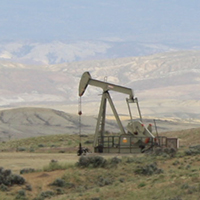
A federal judge has found the Bureau of Land Management failed to adequately consider climate impacts when it held lease sales for oil and gas drilling on hundreds of thousands of acres in Wyoming, Colorado and Utah, and has blocked any drilling until the climate risks are reviewed. Vermont Law School Professor Pat Parenteau tells Host Steve Curwood why the judiciary, as “the last line of defense” for environmental law, has increasingly recognized climate change as an issue that must be addressed in proposals for everything from oil and gas leases, to coal leases, to pipelines like Keystone XL. They also discuss the upcoming decision on whether the Juliana, et al v. United States youth climate lawsuit will move forward.
Baboon, “The Observer”
4 min read · 5 min listen

We are closely related to the primates. The great apes look like us; so do the monkeys even though they have tails. Watching an alert olive baboon in the marshes near Kenya’s Mara River, Living on Earth’s Explorer in Residence Mark Seth Lender has come to believe this resemblance has to do with something more than physical appearance alone.
Beyond the Headlines
4 min read · 6 min listen
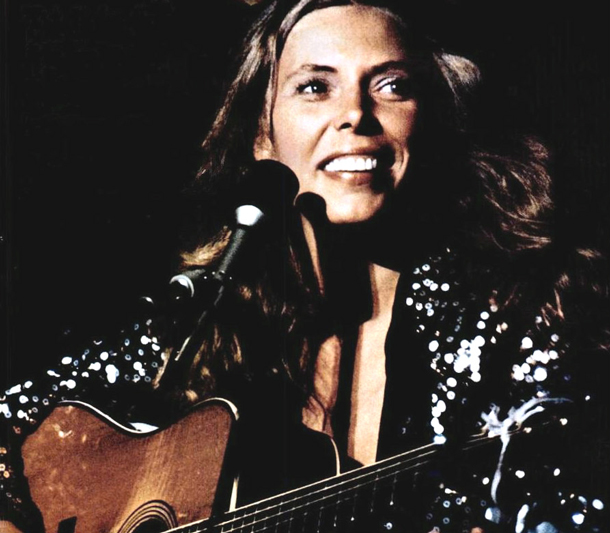
In this week's trip beyond the headlines, Peter Dykstra talks with Host Steve Curwood about Donald Trump Jr.'s disbelief at the concept of environmental racism. Then, the two discuss the national security implications of the "bomb genesis storm" that hit the Midwest last week, as well as the recent United Nations Environment Assembly in Nairobi, Kenya. Lastly, they take a listen to an iconic song that helped shape the environmental movement of the 1970s: Joni Mitchell's “Big Yellow Taxi”.
Climate Disasters and Softening Property Values
9 min read · 12 min listen
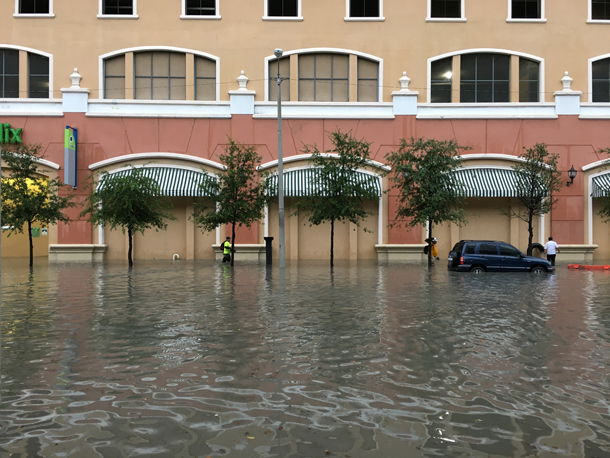
Climate change is stoking losses everywhere from the recent floods in Southern Africa to the flooding in the US Midwest. Rising sea levels have also wiped out $16 billion in property values from 2005 to 2017 in the Eastern US, a recent study has found. In the affected coastal communities, homes in danger of high-tide flooding sell for less, compared to homes on higher ground. Nicholas Kusnetz, a reporter for Inside Climate News, joins Host Steve Curwood to discuss how this inevitable economic decline could eat away at local tax bases, devastating coastal communities further.
GOP Senator Lisa Murkowski on the 2019 Public Lands Act
10 min read · 13 min listen
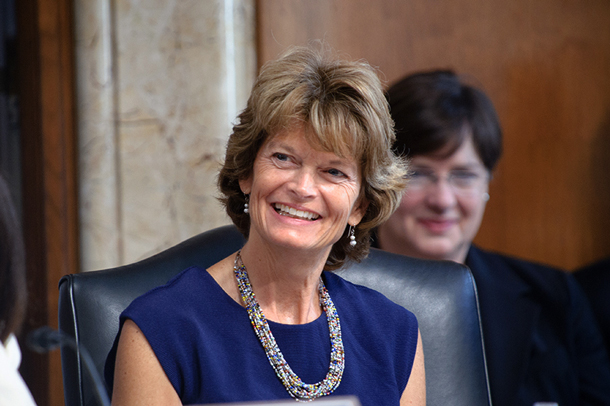
As the Chair of the Energy and Natural Resources Committee, Senator Lisa Murkowski of Alaska has worked for years with Republican and Democratic colleagues to bring together the most sweeping land conservation bill in a decade. The act, signed into law by President Trump on March 12, 2019, designates 1.3 million new acres of wilderness, creates or confirms five new national monuments, protects hundreds of miles of wild and scenic rivers, and also permanently authorizes the Land and Water Conservation Fund. Senator Murkowski joins Host Steve Curwood to discuss the highlights of the Dingell Act and what it brings for Alaska residents, as well as the need to act on climate change.
Oil Drilling Blocked for Climate
9 min read · 12 min listen
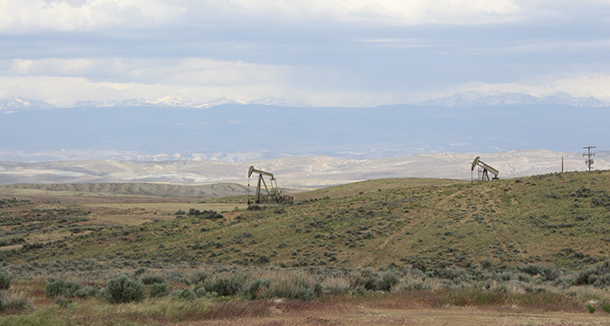
A federal judge has found the Bureau of Land Management failed to adequately consider climate impacts when it held lease sales for oil and gas drilling on hundreds of thousands of acres in Wyoming, Colorado and Utah, and has blocked any drilling until the climate risks are reviewed. Vermont Law School Professor Pat Parenteau tells Host Steve Curwood why the judiciary, as “the last line of defense” for environmental law, has increasingly recognized climate change as an issue that must be addressed in proposals for everything from oil and gas leases, to coal leases, to pipelines like Keystone XL. They also discuss the upcoming decision on whether the Juliana, et al v. United States youth climate lawsuit will move forward.
Senate Passes Bipartisan Public Lands Bill
10 min read · 13 min listen
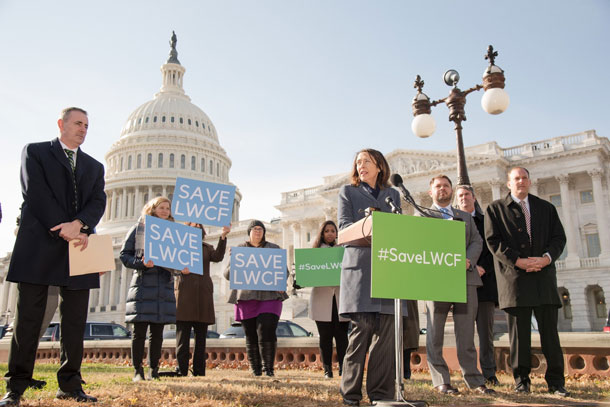
92 Senators recently voted to pass the most sweeping land conservation bill in a decade. The legislation designates 1.3 million new acres of wilderness, five new national monuments, and hundreds of miles of wild and scenic rivers. It also permanently authorizes the Land and Water Conservation Fund, which uses fees from offshore oil and gas drilling to conserve public lands. Democratic Senator Maria Cantwell of Washington state cosponsored the bill and spoke with host Bobby Bascomb about what got this rare bipartisan effort across the finish line.
The Racial Gap of Pollution Responsibility
7 min read · 9 min listen
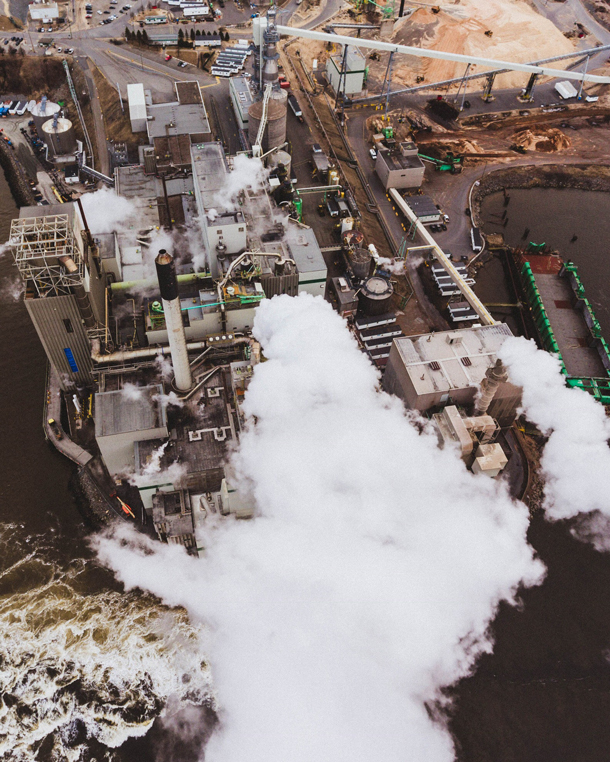
Fine particle air pollution is especially dangerous for human health, and a well-established body of research has found that minority groups are disproportionately exposed. A new study published in the Proceedings of the National Academies of Sciences documents the racial gap between who’s most responsible for air pollution and who breathes it. Host Steve Curwood sits down with Dr. Christopher Tessum, lead author of the study.