Living on Earth: June 14th, 2019
Air Date: June 14, 2019
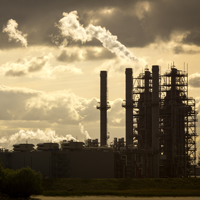
If carbon emissions keep going up until 2030 it will be too late to avoid a ‘hot house’ Earth with a billion climate refugees starting in 2050, according to the Australia-based Breakthrough National Centre for Climate Restoration. These researchers warn the climate is changing faster than politicians and the public are responding, and say interventions on a scale never before seen during peacetime are needed right now. Host Steve Curwood talks with David Spratt, Research Director at the Breakthrough National Centre.
Beyond the Headlines
4 min read · 6 min listen
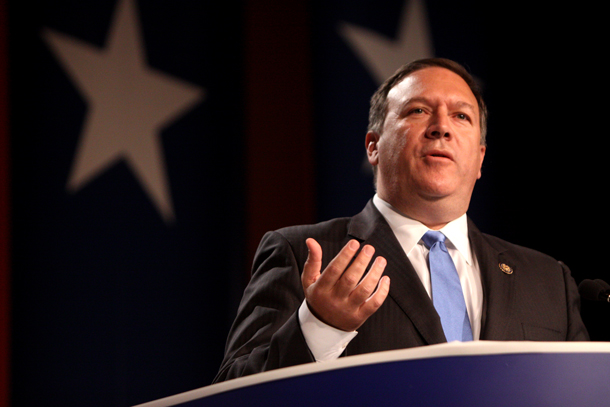
In this week's trip beyond the headlines, Peter Dykstra and host Steve Curwood first take a look at some controversial suggestions from the current Secretary of State, Mike Pompeo about how people can cope with mounting climate impacts. Then, the two discuss the Democratic National Committee, which has declined requests from candidates and activists alike to feature a climate change-focused debate during the Democratic Presidential primary season. Finally, the pair take a look back in history to the groundbreaking paper that linked chlorofluorocarbons, or CFCs, to ozone layer destruction.
BirdNote®: Ponderosa Pine Savanna
2 min read · 3 min listen
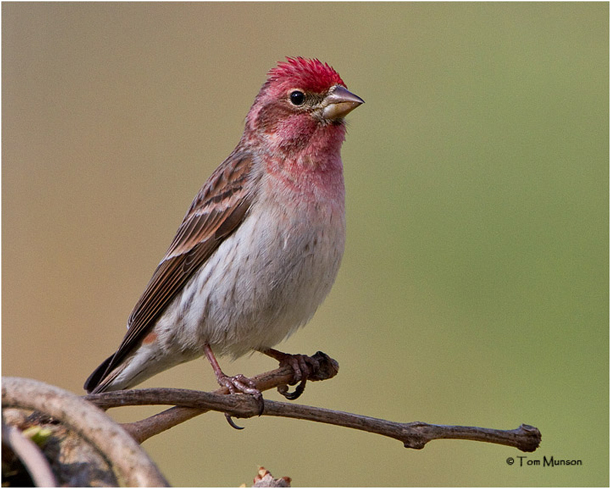
The unique ecology of the ponderosa pine savanna, which covers much of the desert Southwest, has been shaped in large part by fire. BirdNote’s Mary McCann has more about the birds that call this landscape home.
Exploring the Parks: Cactus and Snow in the Desert Sky Islands
10 min read · 13 min listen
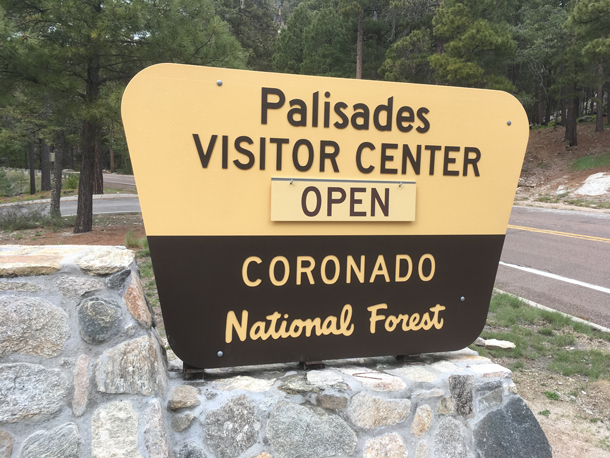
Coronado National Forest, north of Tucson, Arizona is the latest subject of Living on Earth’s occasional series on America’s public lands. There’s plenty of heat and cacti, of course, but also many species ordinarily found far north of the desert Southwest. With a local biologist as her guide, Living on Earth’s Bobby Bascomb reports on the remarkably diverse biomes of Arizona’s Sky Islands.
Exploring The Parks: North Cascades National Park
8 min read · 11 min listen
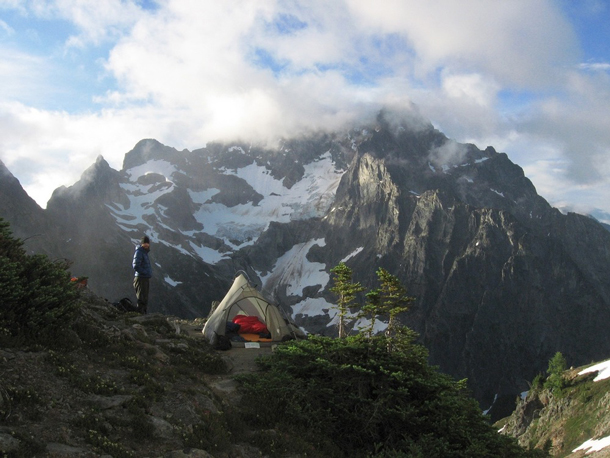
North Cascades National Park, just a three-hour drive from Seattle, is at the heart of one of Washington State’s most expansive wild ecosystems. It has more glaciers than Glacier National Park, yet North Cascades is one of the least visited parks in the United States. Saul Weisberg, founder and executive director of the North Cascades Institute and super docent of the North Cascades, joins Host Steve Curwood to talk about his years exploring the park.
Horizon by Barry Lopez
12 min read · 16 min listen
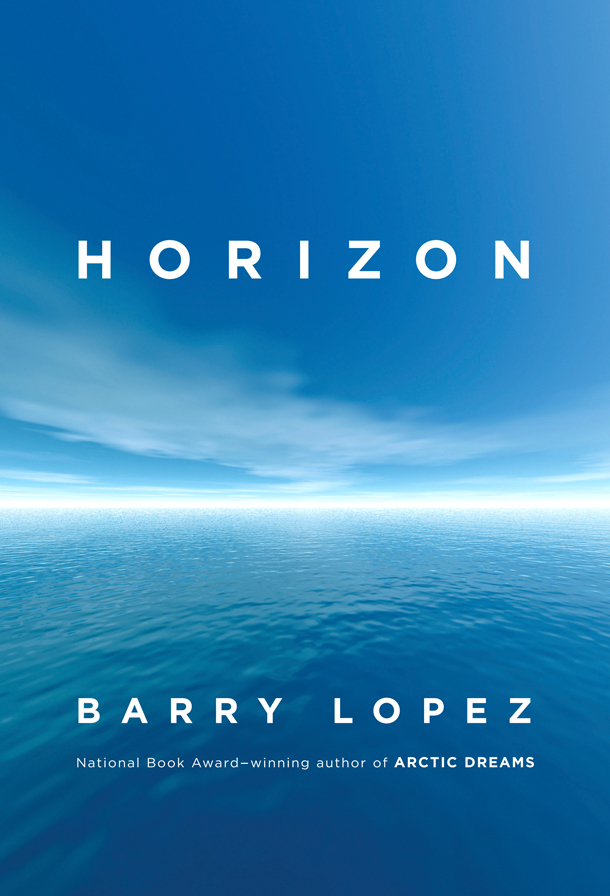
The author of National Book Award-winning Arctic Dreams took around 30 years to write his latest book, Horizon. It’s a sweeping account of his lifetime of traveling the world and seeking the perspectives of diverse cultures. In his quest to understand the human race’s current predicament, Mr. Lopez asks: “Who is our navigator?” in this time of climate change and pervasive inequality. Barry Lopez speaks with Host Steve Curwood about the importance of acknowledging “the horrors” of our past and present, and striving towards a more humane and hopeful future.
Note on Emerging Science: Hot Potato Blues
3 min read · 3 min listen

Potatoes are a staple food for populations around the world, including the developing countries Bolivia, Rwanda, and Kyrgyzstan. But when the temperature rises over 70 degrees Fahrenheit, potatoes produce vastly fewer, and less nutritious, tubers. New research has uncovered why hot potatoes are so unhappy, and even discovered a way to grow more nutritious potatoes in hotter weather. Living on Earth’s Joseph Winters explains in this week’s note on emerging science.
Sobering Climate Risks
10 min read · 13 min listen

If carbon emissions keep going up until 2030 it will be too late to avoid a ‘hot house’ Earth with a billion climate refugees starting in 2050, according to the Australia-based Breakthrough National Centre for Climate Restoration. These researchers warn the climate is changing faster than politicians and the public are responding, and say interventions on a scale never before seen during peacetime are needed right now. Host Steve Curwood talks with David Spratt, Research Director at the Breakthrough National Centre.