
Living on Earth: July 19th, 2019
Air Date: July 19, 2019
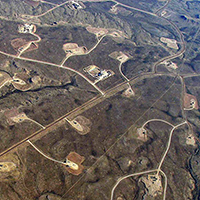
Fracking forces water, sand and chemicals into shale rock at high pressures, extracting much more oil and gas than conventional wells. But this highly efficient method comes with environmental and health risks including birth defects, cancer, and asthma. A new meta study brings together the findings of more than 1700 studies, articles and reports on the health impacts of fracking. Coauthor Sandra Steingraber, a professor of Environmental Studies and Sciences at Ithaca College, joins Host Bobby Bascomb to discuss the importance of this massive body of evidence.
Beyond the Headlines
5 min read · 6 min listen
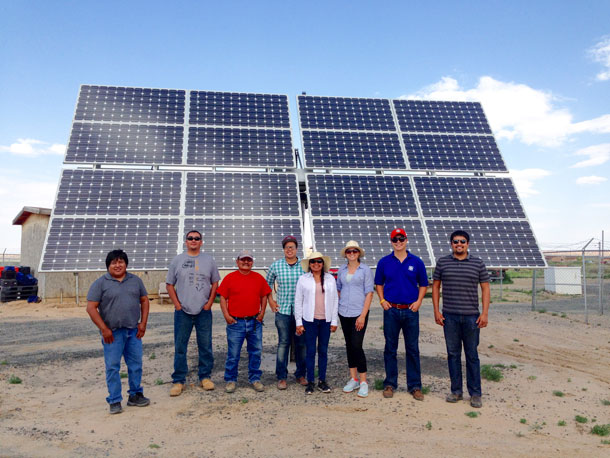
In this week’s trip Beyond the Headlines, Peter Dykstra and Bobby Bascomb look at the Navajo and other Native American tribes’ shift from fossil fuels to solar energy. Then, they talk about Germany’s plans to reduce dependence on coal mining without sending miners to the unemployment lines. Finally, the pair look back on a couple of post-apocalyptic movies that incorporated environmental themes.
BirdNote®: House Sparrows’ Dance
2 min read · 3 min listen

Many wild animals go out of their way to avoid humans and our structures, but some seem to thrive in the built environment. Such is the case of the House Sparrow, a common sight and sound from home improvement stores to rural barns and churches. BirdNote®’s Michael Stein has more on this chirpy little bird.
Camels at the Henbury Craters
3 min read · 4 min listen
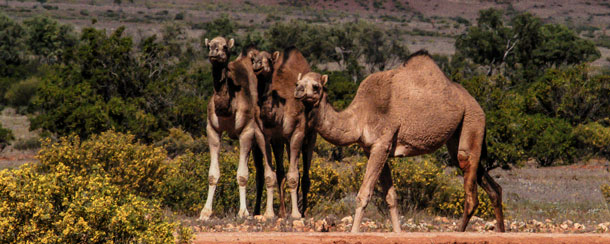
The wild dromedary camels of Australia's Henbury Craters are not native to the area, but they thrive in the dry heat nevertheless. Living on Earth’s Explorer in Residence, Mark Seth Lender, bears witness.
Exploring the Parks: Cactus and Snow in the Desert Sky Islands
10 min read · 13 min listen
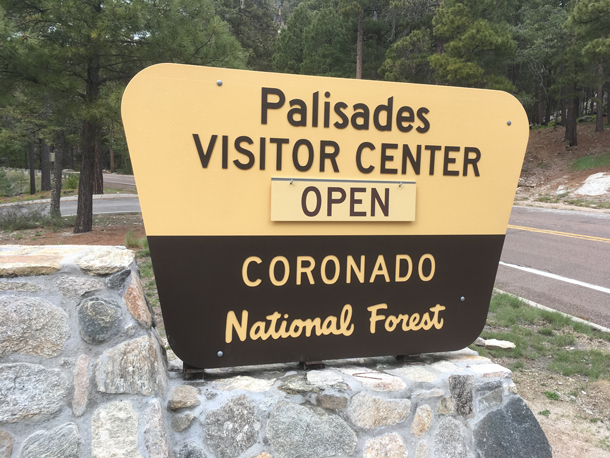
Coronado National Forest, north of Tucson, Arizona is the latest subject of Living on Earth’s occasional series on America’s public lands. There’s plenty of heat and cacti, of course, but also many species ordinarily found far north of the desert Southwest. With a local biologist as her guide, Living on Earth’s Bobby Bascomb reports on the remarkably diverse biomes of Arizona’s Sky Islands.
Exploring the Parks: Petrified Forest National Park
9 min read · 12 min listen
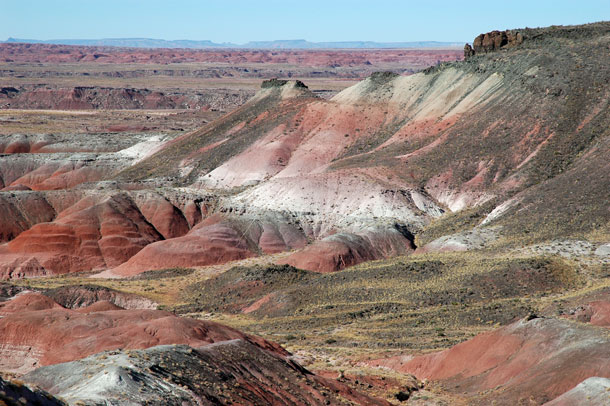
Living on Earth’s series on US public lands takes a trip to Petrified Forest National Park in Arizona where visitors can see the fossilized remains of trees more than six feet in diameter that lived there more than 200 million years ago. Sarah Herve, the acting chief of interpretation for the park, tells Host Bobby Bascomb about the unique geological process that preserved the ancient trees.
Fracking and Your Health
8 min read · 11 min listen
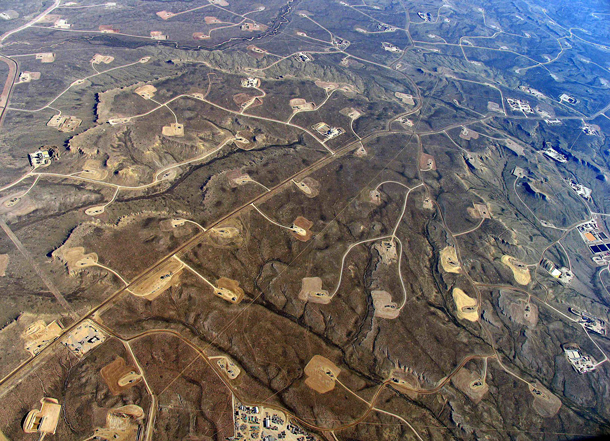
Fracking forces water, sand and chemicals into shale rock at high pressures, extracting much more oil and gas than conventional wells. But this highly efficient method comes with environmental and health risks including birth defects, cancer, and asthma. A new meta study brings together the findings of more than 1700 studies, articles and reports on the health impacts of fracking. Coauthor Sandra Steingraber, a professor of Environmental Studies and Sciences at Ithaca College, joins Host Bobby Bascomb to discuss the importance of this massive body of evidence.
"Hadestown" Brings Climate Change To Broadway
7 min read · 10 min listen
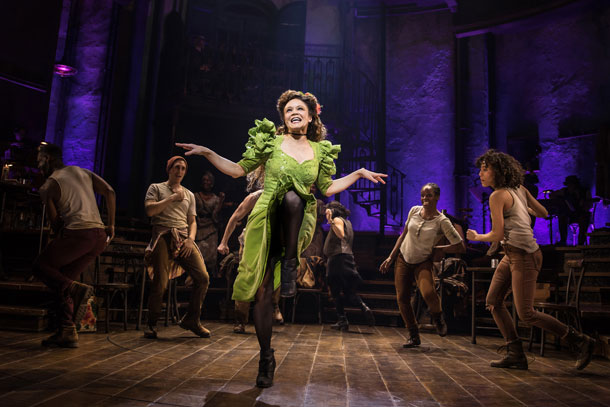
Tony Award-winning musical "Hadestown" retells the Greek myth of Orpheus and Eurydice with a Great Depression-inspired industrial post-apocalyptic setting. The show infuses themes like isolationism, exploitation of workers, and even climate change with New Orleans jazz, folk, and pop music. Director Rachel Chavkin joins Living on Earth’s Bobby Bascomb to discuss the show’s environmental themes.
Offsetting Your Carbon Footprint
9 min read · 12 min listen
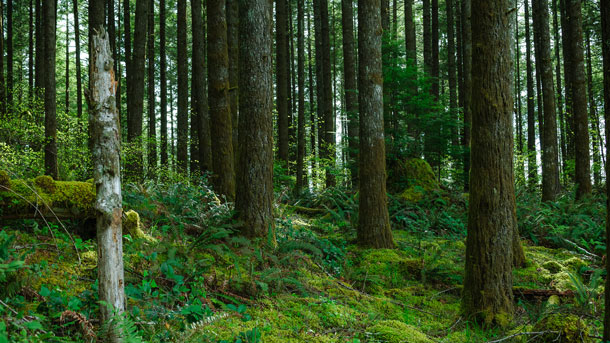
Carbon-intensive activities including global air travel have been growing for decades. For individuals and companies interested in reducing their carbon footprints, carbon offsets promise to mitigate the damage caused by flying and other emissions sources through the investment in projects that either sequester carbon, like reforestation or forest conservation, or develop alternative energy infrastructure that reduce future emissions. Cool Effect CEO Marisa de Belloy discusses her non-profit crowdfunding platform that sells these offsets with Host Bobby Bascomb.
