Living on Earth: August 9th, 2019
Air Date: August 09, 2019
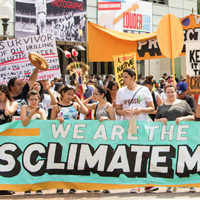
About 20 million registered voters in the US list the environment as one of their top two priorities. But compared to other voters they’re more likely to stay home on Election Day. These "super-environmentalists" are also more likely to be in a minority group -- they're often African-American or Hispanic -- and they tend to be young and live in cities. Founder of the Environmental Voter Project, Nathaniel Stinnett, joins Host Steve Curwood to discuss what it might mean for environmental policies if these 20 million "super-environmentalists" registered voters actually show up at the polls in greater numbers and what his organization is doing to get out that green vote.
BirdNote®: Ponderosa Pine Savanna
2 min read · 3 min listen
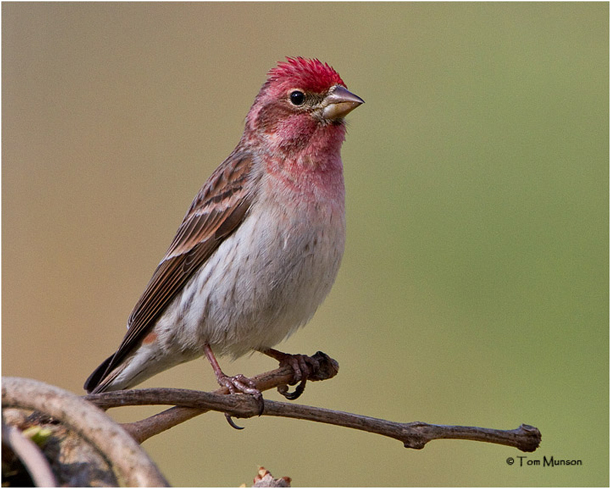
The unique ecology of the ponderosa pine savanna, which covers much of the desert Southwest, has been shaped in large part by fire. BirdNote’s Mary McCann has more about the birds that call this landscape home.
Exploring the Parks: Aniakchak National Monument and Preserve
11 min read · 14 min listen
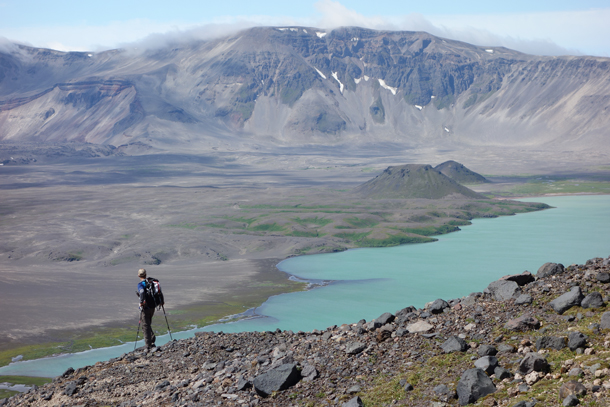
Deep within the remote wilderness of the Alaska Peninsula, Aniakchak National Monument and Preserve is one of the least-traveled places within the national park system. Designated by President Jimmy Carter as a national monument and preserve in 1978, Aniakchak is always open to visitors with no amenities, no cell service, and no park rangers -- hence its slogan, “No lines, no waiting!” Chris Solomon, who wrote about Aniakchak for Outside magazine, joined Host Steve Curwood to talk about his experience among the grizzly bears and volcanism in this wild and remote patch of public land.
Exploring the Parks: Cactus and Snow in the Desert Sky Islands
10 min read · 14 min listen
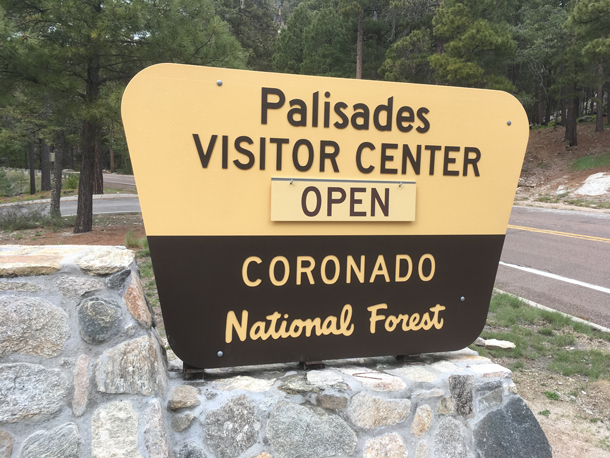
Coronado National Forest, north of Tucson, Arizona is the latest subject of Living on Earth’s occasional series on America’s public lands. There’s plenty of heat and cacti, of course, but also many species ordinarily found far north of the desert Southwest. With a local biologist as her guide, Living on Earth’s Bobby Bascomb reports on the remarkably diverse biomes of Arizona’s Sky Islands.
Fighting Climate Change, Naturally
4 min read · 5 min listen
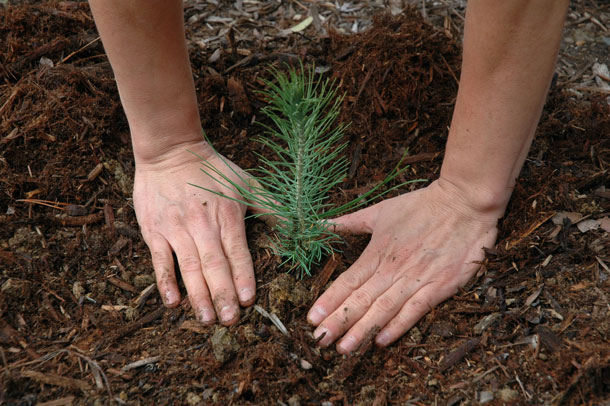
Climate mitigation often focuses on technical solutions. But experts say as much as one-fifth of the United States’ current carbon emissions could be offset through “natural climate solutions,” which manage and restore land. Living on Earth’s Aynsley O’Neill reports.
Free the Beaches: Desegregating America’s Shoreline
16 min read · 21 min listen
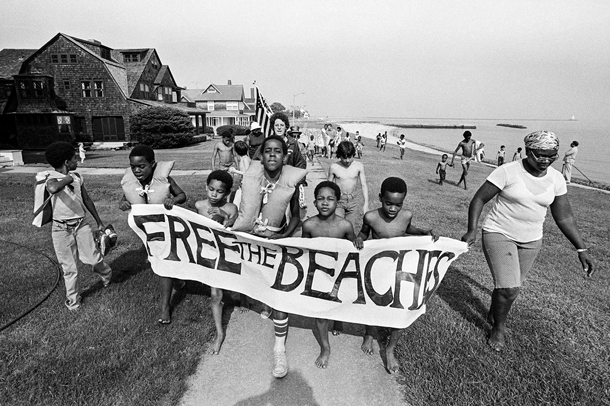
The US civil rights movement to end racial segregation in the 1960’s may have been most intense the South, but there were battles in the North, including in the State of Connecticut. Just about all of the Long Island Sound beaches in Connecticut were off limits to people of color until Ned Coll came along. In his 2018 book Free the Beaches: The Story of Ned Coll and the Battle for America’s Most Exclusive Shoreline, historian Andrew Kahrl describes Coll’s creative protests to smash the color bar and let all children cool off on hot days at the beach. He spoke with host Steve Curwood.
No-Show Green Voters
10 min read · 13 min listen
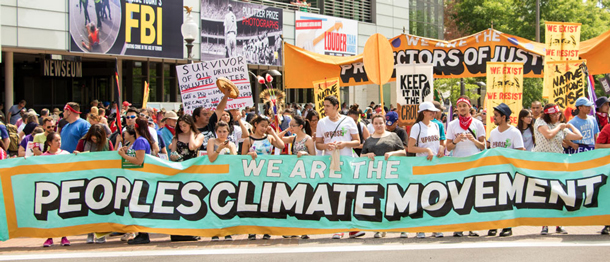
About 20 million registered voters in the US list the environment as one of their top two priorities. But compared to other voters they’re more likely to stay home on Election Day. These "super-environmentalists" are also more likely to be in a minority group -- they're often African-American or Hispanic -- and they tend to be young and live in cities. Founder of the Environmental Voter Project, Nathaniel Stinnett, joins Host Steve Curwood to discuss what it might mean for environmental policies if these 20 million "super-environmentalists" registered voters actually show up at the polls in greater numbers and what his organization is doing to get out that green vote.
The Environmental Voting Gap
10 min read · 13 min listen
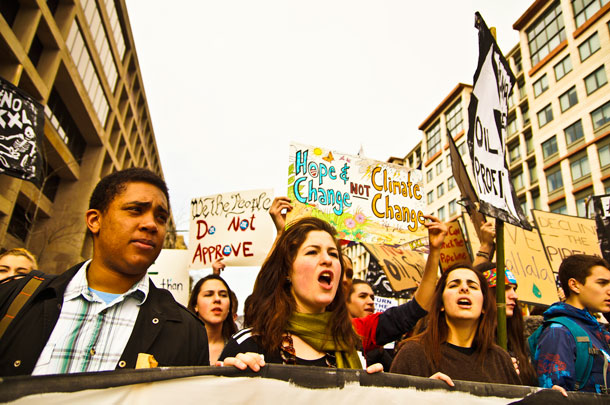
Those US registered voters most likely to put the environment or climate as a top priority are young, African-American and Hispanic. But only about a fifth of these ‘super-environmentalist’ voters actually turned up at the ballot box to vote in the 2014 midterm elections, well below the national turnout rate. They came out in larger numbers in 2018 but still below national turnout rates. Environmental Voter Project Founder Nathaniel Stinnett joins Host Steve Curwood to discuss what it might mean for environmental policies if politicians tap into this base of some 20 million ‘super-environmentalist’ registered voters.