
Beyond the Headlines
Air Date: September 20, 2019
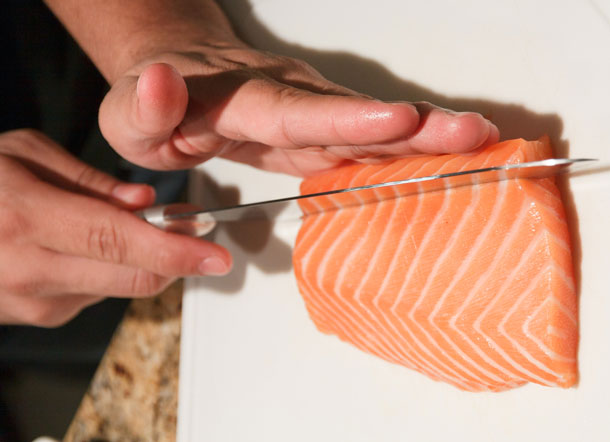
In this week's trip beyond the headlines, Peter Dykstra and Host Steve Curwood take a look at the science that shows that microplastics can be absorbed into the flesh of fish. Then, the two take a look at the "freedom to drive" movement, a rallying cry made by the fossil fuel industry to deter people from using electric vehicles. Finally, a look back to when President Jimmy Carter offered an exemption to the Endangered Species Act for the Tennessee Valley Authority.
Transcript
CURWOOD: It's time now for us to take that little peek beyond the headlines with Peter Dykstra. Peter's an editor with Environmental Health News, that's EHN.org and DailyClimate.org. And we've got him on the line, I think, from Atlanta, Georgia. Hey there, Peter, are you there?
DYKSTRA: I'm here. How you doing, Steve?
CURWOOD: I'm doing all right. And what do you have for us today?
DYKSTRA: You know, we used to think that microplastics, those tiny little shreds of the single-use plastic bags and bottles and everything else we throw away, when they made it to the ocean and were ingested by fish, that they just stayed in the digestive systems of those animals. There's some new research suggesting that those tiny particles, actually, in many cases end up in the flesh of the fish. And of course, we take the fish out of the water, we eat the flesh and bring the microplastics back, a very odd turn on recycling.
CURWOOD: Wait a second. So if I have grilled salmon, I'm getting a side order of plastics with it?
DYKSTRA: Just a note, just a drizzle, just a taste of plastic, along with that delicious salmon.
CURWOOD: Hey, what else do you have for us today?
DYKSTRA: Well, there's another round in the century-long battle of the oil industry versus the electric car. EVs could make up, we're told, nearly half of all the passenger cars and trucks on the road by the year 2040. But the oil and gas companies, as they've done in the past, want no part of that.
CURWOOD: Peter, so how are they pushing back?
DYKSTRA: A lot of legislative stuff has come up, particularly on the state level, in efforts to encourage the use and sale and recharging of electric vehicles in places like Colorado, Maryland, Kansas, and here in Georgia. Either tax breaks or other things to make it easier to own and operate EVs have gone by the boards, or at least been challenged by groups like the American Petroleum Institute and Americans for Prosperity.
CURWOOD: So, when these groups mount campaigns, they tend to come up with catchy phrases. What are we hearing this time?
DYKSTRA: 'Freedom to Drive'. Just like freedom to smoke, freedom to get your head bashed in without a seatbelt or a motorcycle helmet, "Freedom to Drive" is the rallying cry to limit tax credits for EVs in order to have the freedom to use fossil fuels in the future.
CURWOOD: You gotta wonder, if this trouble with Saudi Arabia in the Middle East continues, the price of oil is going to go up. Gasoline is gonna make electric cars look better to consumers, huh?
DYKSTRA: Prices are going to go up and down with any change or any instability in the world. I can't see the Iranians or the Saudis doing a proxy war over windmills or solar farms.
CURWOOD: Indeed, hey, what do you have from the history vault for us today?
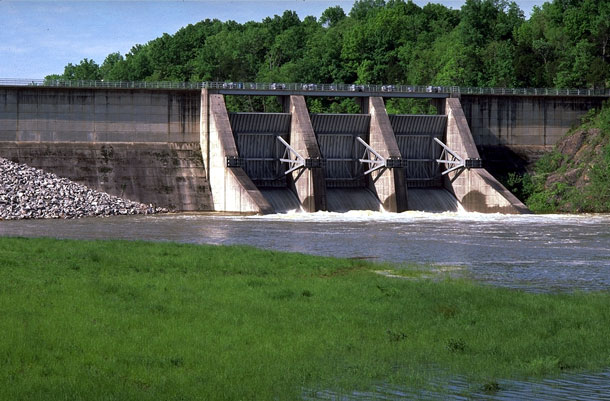
DYKSTRA: 40th anniversary, let's go back to September 25, 1979. President Jimmy Carter, under heavy pressure, signed a bill offering an exemption to the Endangered Species Act for the Tellico Dam, proposed by the Tennessee Valley Authority. There was a small endangered fish called the snail darter. That little fish is all but forgotten. But it was the first time there was a major focus on one species stopping a major project. Fast forward a few years later in the early 80s, another one was the northern spotted owl, which put some old growth forests in the Pacific Northwest off limits for loggers.
CURWOOD: So how did that affect the view of environmental activists of President Jimmy Carter?
DYKSTRA: Well, he threw the fish under the bus. But overall, Jimmy Carter is remembered as one of the better environmental presidents in recent years, he did a great deal to focus on some of the things we're now dealing with in the present tense.
CURWOOD: Peter Dykstra is an editor with Environmental Health News, that's EHN.org and DailyClimate.org. Thanks, Peter. We'll talk again real soon.
DYKSTRA: All right, Steve, thanks a lot. Talk to you soon.
CURWOOD: And there's more on these stories at our website LOE.org.
