Note on Emerging Science: Deforestation and Malaria
Air Date: November 01, 2019
Rainforests are a crucial ecosystem when it comes to fostering biodiversity, providing carbon sequestration, and even protecting human health. Researchers recently found that a 10% increase in deforestation in the world's rainforest is linked with a 3.3% increase in the number of malaria cases worldwide. Living on Earth's Don Lyman reports.
Transcript
BASCOMB: It’s Living on Earth I’m Bobby Bascomb.
CURWOOD: And I’m Steve Curwood.
Just ahead, a buyback of chainsaws to advance sustainable development in Borneo but first this note on emerging science from Don Lyman.
SCIENCE NOTE THEME
MOSQUITO SOUND
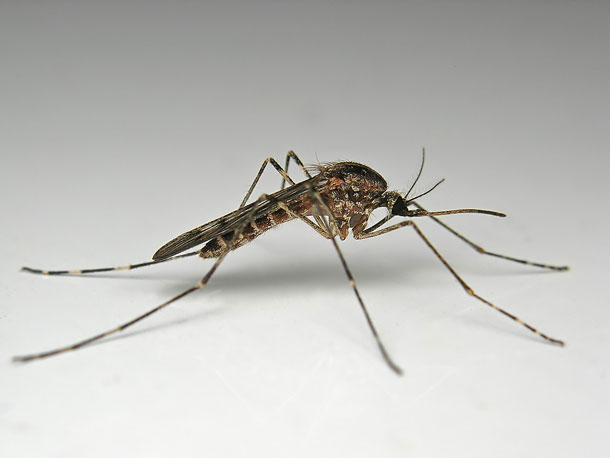
LYMAN: Mosquitoes have killed more people than any other animal in the world, mostly from malaria, and a new study finds rainforests that have been deforested have even higher rates of malaria than healthy forests.
Researchers from Stanford University analyzed 13 years of malaria occurrences from nearly 800 cities, towns and villages in the Brazilian Amazon. And they examined deforestation rates from the same time period.
The scientists found a 10 percent increase in deforestation led to an average 3.3 percent increase in malaria transmission. It may not sound like much but that means an additional 10,000 cases of malaria in some years.
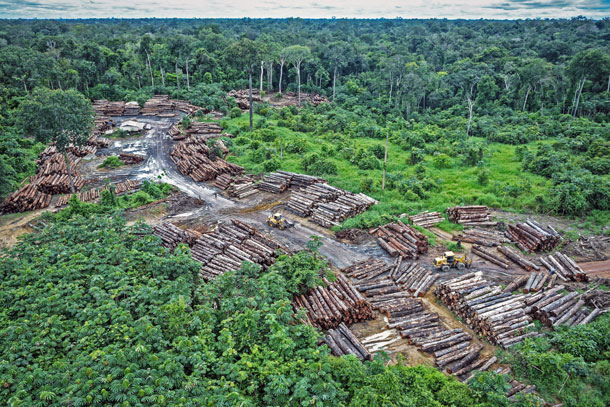
Researchers say the increase in malaria was greater in the interior Amazon, where small scale clearing for new settlements created more forest edge habitat, ideal mosquito breeding grounds. And of course, more breeding mosquitoes in settlement areas mean more people will be bitten by the malaria transmitting mosquitoes.
To minimize malaria transmission the researchers conclude that rainforest conservation should focus on the large, intact areas of the interior of the Amazon. So, a healthy rainforest can lead to healthier people.
That's this week's note on emerging science. I'm Don Lyman.