
Living on Earth: November 29th, 2019
Air Date: November 29, 2019
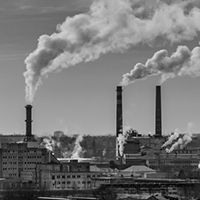
Ultra-fine particulate air pollution known as PM 2.5 is so small that it can work its way through the lungs into the bloodstream, and from there into major organs including the heart, brain, and kidneys. A new study published in the Journal of the American Medical Association, JAMA, finds a link between PM 2.5 air pollution at levels considered safe by the EPA and the deaths of 200,000 veterans over a recent decade. Earlier research linked PM2.5 with many disorders, including heart attacks and strokes, and this latest study adds three previously uncorrelated specific causes of death: dementia, kidney disease, and hypertension. Ziyad Al-Aly is a nephrologist and epidemiologist at Washington University School of Medicine in St. Louis and a coauthor of the study and joins Host Steve Curwood to discuss the findings.
A Typical Carbon Footprint of Thanksgiving
5 min read · 7 min listen
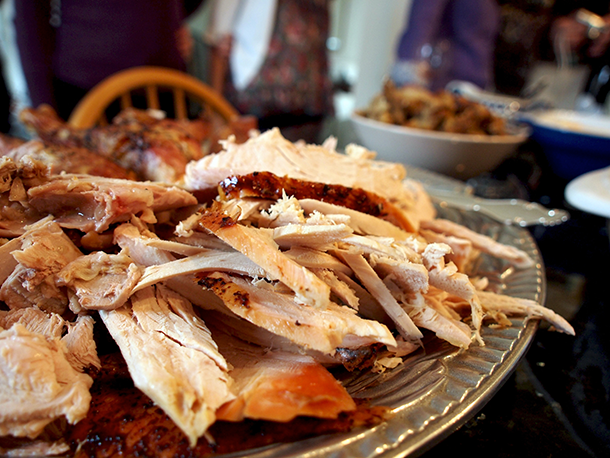
Each November, Americans travel to share feasts with family and friends, and all of this consumption can come at a cost to the climate. The Allegheny Front's Lou Blouin investigates.
Beyond the Headlines
3 min read · 4 min listen
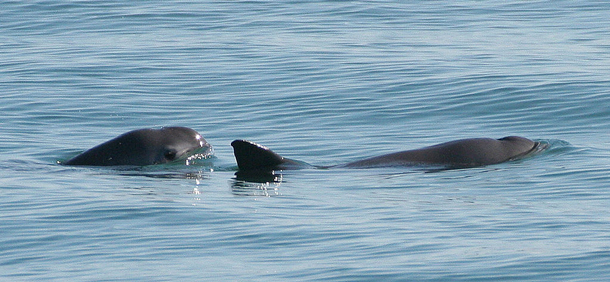
This holiday week, Peter Dykstra notes that there is hope yet for the highly endangered Vaquita porpoise, whose pups offer the potential for repopulation. He and host Steve Curwood also examine the recent Harvard - Yale football game, where students from both schools banded together in protest to demand that their respective institutions divest their endowments from fossil fuels. Heading further into the world of fossil fuels, Peter Dykstra reflects on the 20th anniversary of the Exxon Mobil merger and the company’s alleged efforts to bury climate science.
Brewing a Specialty Coffee Market
7 min read · 9 min listen
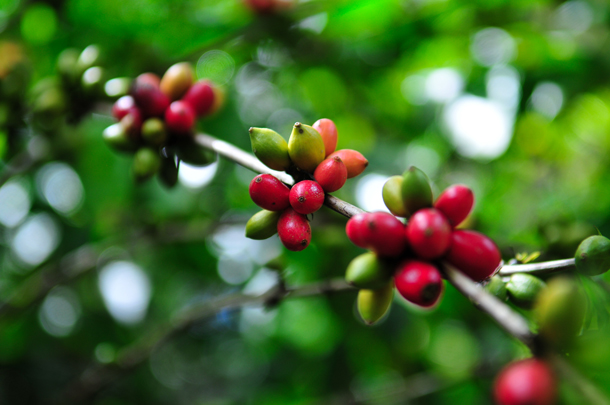
Coffee is no longer simply a generic drink to wake you up as there is now a sizable market for specialty coffees with unique flavors. To link up coffee growers with that market and ensure they get a fair price, a Portland, Oregon-based nonprofit called the Alliance for Coffee Excellence started a coffee tasting “cupping” and auction. Crystal Ligori from Oregon Public Broadcasting reports on how this project, now celebrating its 20th anniversary, has increased the earnings of coffee farmers around the world.
Cosmic Crisp Apples
5 min read · 7 min listen
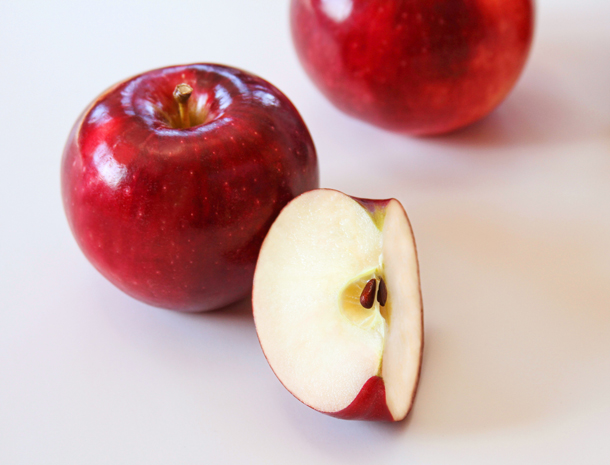
A new variety of apples, the Cosmic Crisp, hits grocery stores around the country on December 1st, after more than 20 years of development by the Washington State University Tree Fruit Research Commission. The Cosmic Crisp is a descendant of the popular Honey Crisp apple, and its breeders hope it can complete the holy grail of apple qualities: Great taste, easy growing and harvesting, and a long shelf life. Enrique Pérez de la Rosa of Northwest Public Broadcasting reports on how orchards are taking special care to ensure the first crop hits the shelves as a winner that matches the hype.
Cranberries Take Center Stage
5 min read · 6 min listen
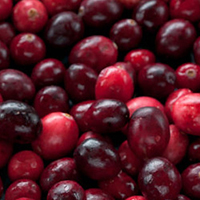
For some, it wouldn’t be Thanksgiving without the cranberry sauce. Living on Earth’s Emily Taylor and Dennis Foley bring us this audio postcard featuring Leo Cakounes, a cranberry farmer on Cape Cod, and the voices of cranberry enthusiasts.
Reflections on the Native American Tradition of Giving Thanks
9 min read · 12 min listen
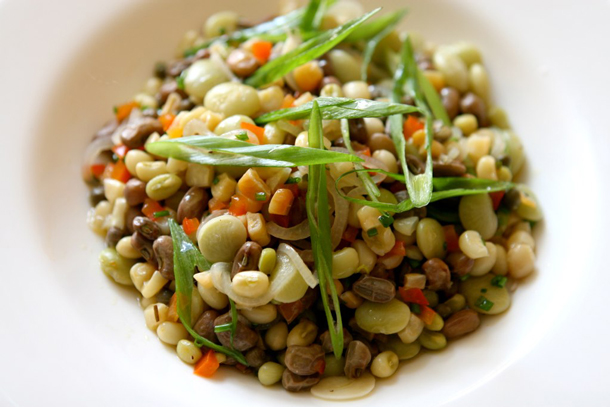
Thanksgiving is a time for American families and friends to gather and be thankful, but for Native Americans it can also be a reminder of the displacement, violence and disease brought by the white colonists. Joe Bruchac, an author and storyteller of the Nulhegan Abenaki tribe, joined Host Steve Curwood to reflect on Thanksgiving’s complicated legacy for Native Americans and the long Native tradition of giving thanks.
Science Note: Toad Mimics Venomous Snake
2 min read · 2 min listen
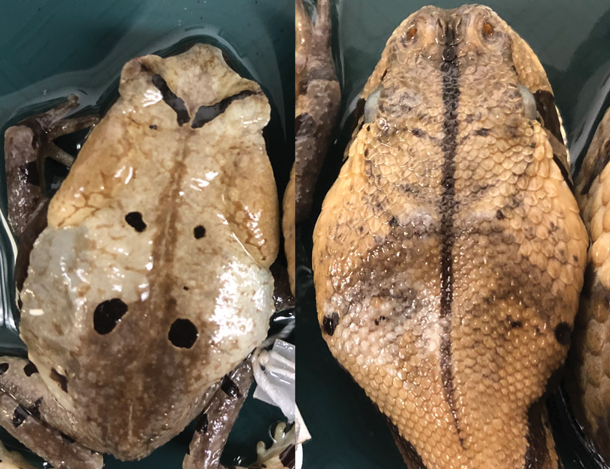
If you want to make it, fake it: researchers have discovered that harmless Giant Congolese Toads (Sclerophyrs channingi) mimic the venomous Gaboon vipers (Bitis gabonica) that share their central African rainforest homes. The toads, which are the first toads known to mimic a snake, use a whole toady toolkit, as Living on Earth’s Don Lyman tells us. Their bodies mimic the heads of vipers, and they raise their hindquarters to mimic a viper’s strike pose, even hissing like a snake if anyone gets too close.
The Silent Killer Called PM2.5
10 min read · 13 min listen
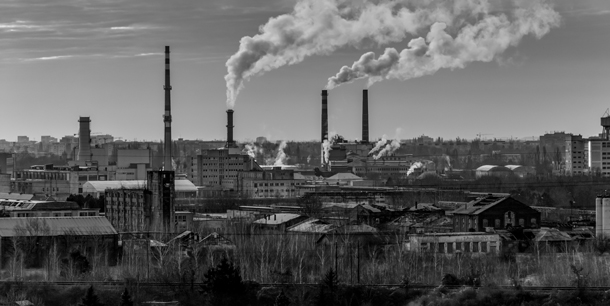
Ultra-fine particulate air pollution known as PM 2.5 is so small that it can work its way through the lungs into the bloodstream, and from there into major organs including the heart, brain, and kidneys. A new study published in the Journal of the American Medical Association, JAMA, finds a link between PM 2.5 air pollution at levels considered safe by the EPA and the deaths of 200,000 veterans over a recent decade. Earlier research linked PM2.5 with many disorders, including heart attacks and strokes, and this latest study adds three previously uncorrelated specific causes of death: dementia, kidney disease, and hypertension. Ziyad Al-Aly is a nephrologist and epidemiologist at Washington University School of Medicine in St. Louis and a coauthor of the study and joins Host Steve Curwood to discuss the findings.