Living on Earth: March 20th, 2020
Air Date: March 20, 2020
The illegal trade of protected species is a highly lucrative form of organized crime with deadly consequences. That’s because in addition to threatening ecosystems and inciting violence, wildlife trafficking plays a key role in spreading diseases including the novel coronavirus. Investigative journalist Lindsey Kennedy speaks with Host Steve Curwood to discuss the connections between wildlife trafficking, COVID-19 and other zoonotic diseases.
At Risk the Pangolin- A Mammal With Scales
7 min read · 9 min listen
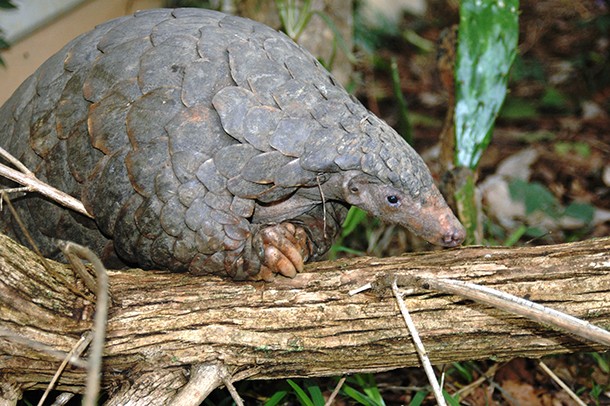
The pangolin is the world’s most illegally traded mammal, poached by the hundreds of thousands from Southeast Asia and African savannahs and sold in Asia as medicine. But a market for this scaly anteater exists in the US too, and with little protection here, trade is helping to push them towards extinction. Host Steve Curwood speaks with the Center for Biological Diversity’s Sarah Uhlemann about the pangolin’s global decline and why US protections under the Endangered Species Act are necessary to help save this unique creature.
Benefits of Free Transit
7 min read · 9 min listen
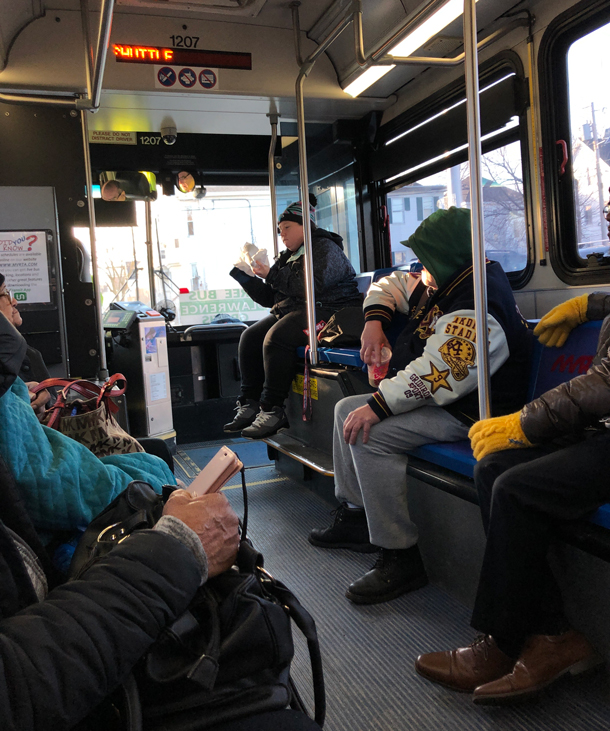
A growing trend to make public transportation free has come to Lawrence, Massachusetts, the first city in the state to provide free bus service through a pilot program. Living on Earth’s Paloma Beltran reports on the environmental and social benefits of making buses free in New England’s first minority-majority city.
Beyond the Headlines
4 min read · 5 min listen
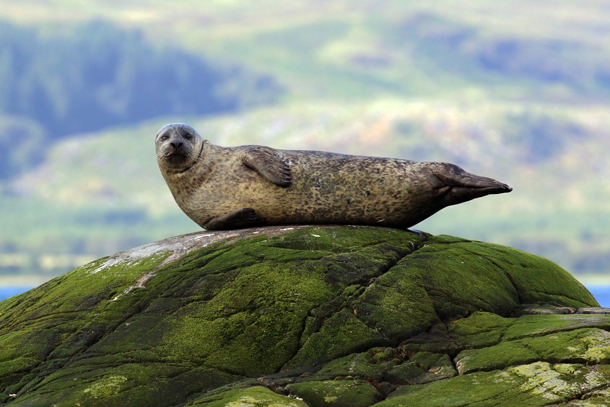
In this week’s beyond the headlines roundup, Environmental Health News Editor Peter Dykstra and Host Steve Curwood discuss the possibility of a model for the future of clean energy on the Orkney Islands off the coast of Scotland: using excess wind energy to split hydrogen from water molecules for use in fuel cells. Then the pair discuss the National Wildlife Federation’s endorsement of Democratic Presidential nominee candidate Joe Biden, as well as the 25th anniversary of the reintroduction of wolves into Yellowstone National Park.
Nature in the Time of COVID-19
12 min read · 16 min listen
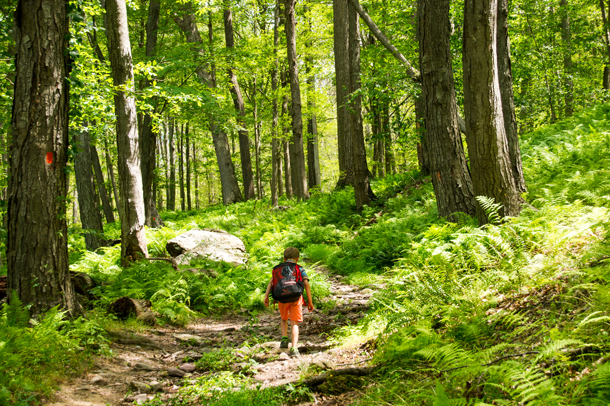
Around the world, people are doing their part to prevent the spread of COVID-19 by staying at home. But that doesn't mean we can't take the time to connect with nature, says “Last Child in the Woods” author Richard Louv. He talks with Host Steve Curwood about the importance of nurturing our relationship to the natural world at any age, and shares some ideas about how to connect with nature in the midst of the pandemic.
The Next California
9 min read · 12 min listen
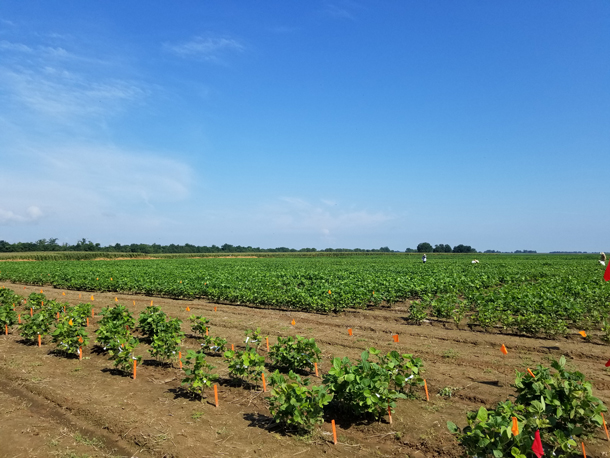
Droughts and extreme weather are already taking a toll on the produce grown in the Central Velley of California. Now researchers from the World Wildlife Fund have found that the mid-Delta region of the Mississippi River, where rich soils currently mostly grow commodity crops like rice, corn, and soybeans, is ripe for growing more specialty crops such as fruits and vegetables. Jason Clay of WWF spoke with Host Steve Curwood about how the types of crops now grown in California could also be grown in the Mississippi mid-Delta region to enhance climate resilience and address poverty, food waste and food insecurity in America’s Heartland.
Wildlife Trafficking and the Novel Coronavirus
13 min read · 17 min listen
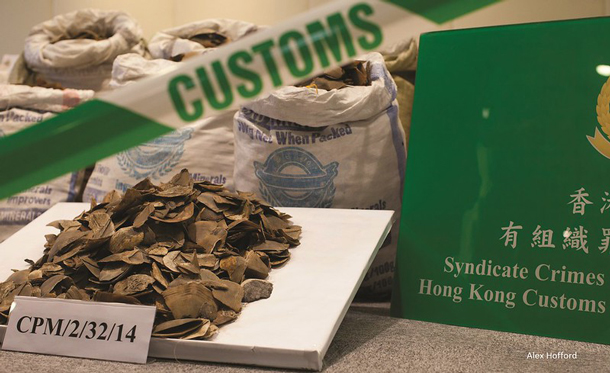
The illegal trade of protected species is a highly lucrative form of organized crime with deadly consequences. That’s because in addition to threatening ecosystems and inciting violence, wildlife trafficking plays a key role in spreading diseases including the novel coronavirus. Investigative journalist Lindsey Kennedy speaks with Host Steve Curwood to discuss the connections between wildlife trafficking, COVID-19 and other zoonotic diseases.