
BirdNote®: Canada’s Boreal Forests
Air Date: March 27, 2020
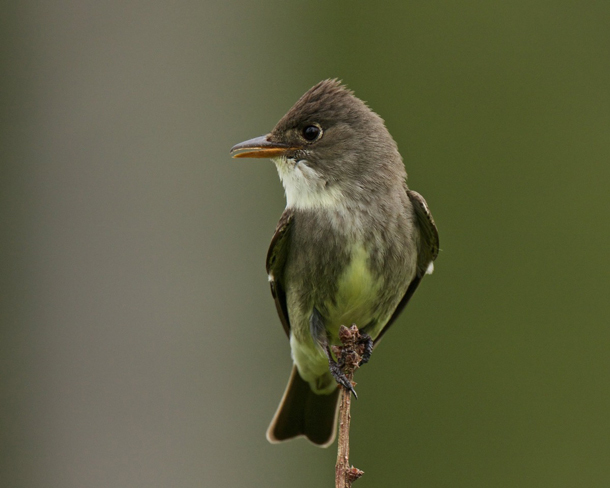
Canada’s vast green boreal forests are home to almost half of North America’s migratory waterfowl and songbirds. As the mining, logging, and fossil fuel industries make increasing inroads, several Dené Indigenous Nations have come to an agreement with the Canadian government to create some of the largest protected areas in Canada’s history. BirdNote®’s Michael Stein has the story.
Transcript
CURWOOD: BirdNote’s Michael Stein reports NATIVE peoples in Canada have been instrumental in protecting one of the most important bird habitats in the world.
BirdNote®
Conserving Canada's Boreal Forests
Songs and calls of birds that breed in Canada’s boreal forest
The vast Canadian boreal forest provides breeding habitat for up to three billion of North America’s migratory ducks, geese, and songbirds. Add the young raised over the summer, and there may be as many as five billion birds.
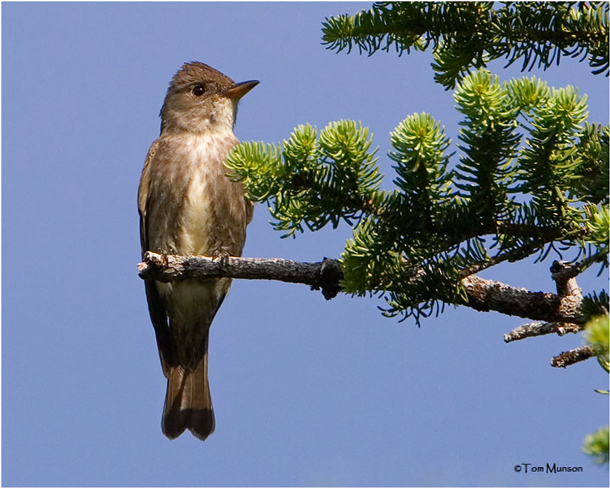
Croaking and “conversation” of ravens
The boreal forest is “one of the largest intact forest and wetland ecosystems remaining on earth.” But the boreal is under increasing pressure from logging, mining, the development of the petroleum, infestations of pine beetles, and climate change. [Call of Boreal Chickadee]
However, Indigenous Nations are protecting boreal forest lands on a sweeping scale. In 2019, the Lutsel K’e Dene First Nation worked with the Canadian government to create one of the biggest protected areas in the country. The Sahtu Dene is planning to conserve an area 12 times the size of Yellowstone.
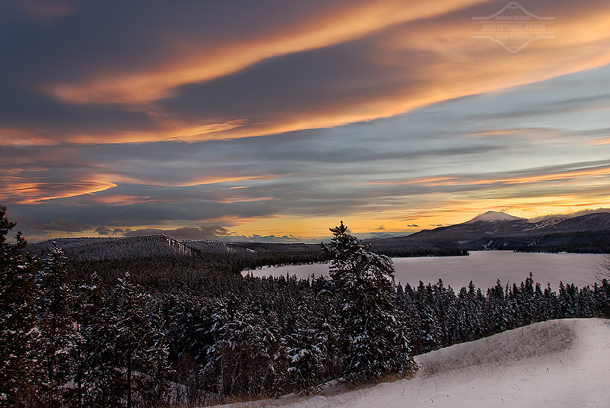
And the Sayisi Dene want to preserve over 12 million acres—habitat for millions of nesting land birds and tens of thousands of migrating waterfowl.
The biggest, most ambitious proposals for conserving lands in Canada are coming from Indigenous Nations. And these lands offer hundreds of bird species the best chance to adapt and thrive into the future.
CURWOOD: For pictures fly on over to the living on earth website, loe.org.