Living on Earth: May 8th, 2020
Air Date: May 08, 2020

The coronavirus has affected nearly all elements of the US economy, including food supplies. Michael Pollan, author of The Omnivore’s Dilemma and other books, says food shortages and massive food dumping during the COVID-19 pandemic expose major vulnerabilities in the American food supply chain. Pollan discusses with Host Steve Curwood how the pandemic presents a strong case for deindustrializing the food system.
Beyond the Headlines
4 min read · 5 min listen
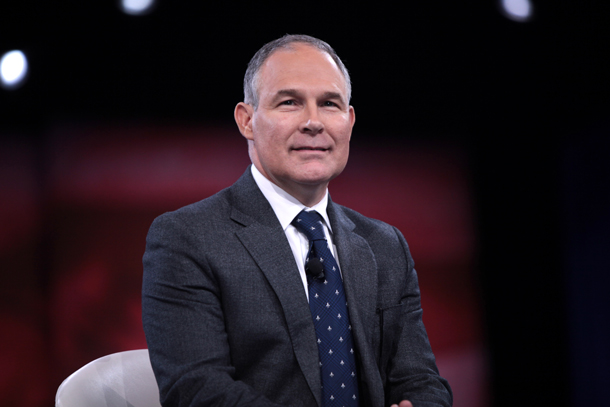
In this week’s installment of Beyond the Headlines, Environmental Health News Editor Peter Dykstra fills in Host Steve Curwood on the cozy relationship between the current EPA leadership and coal lobbying. Meanwhile, the Trump Administration is doling out financial relief for oil and gas companies during the coronavirus pandemic, as major fossil fuel companies face huge shortfalls. And in the history calendar, they look back 200 years to the launch of the brig HMS Beagle, which would later carry Charles Darwin around the world.
Botany of Desire
10 min read · 13 min listen
Host Steve Curwood talks with author Michael Pollan about his new book, “The Botany of Desire: A Plant’s-Eye View of the World.”
Cooking Up Healthcare Reform
9 min read · 12 min listen
The number of diet-related illnesses in the United States is growing. Author and journalism professor Michael Pollan says many of these diseases are preventable. He tells host Steve Curwood that improving U.S. agricultural practices and incentives could improve the way we eat, and reduce what we spend on medical care.
Coronavirus Shocks US Food System
12 min read · 16 min listen
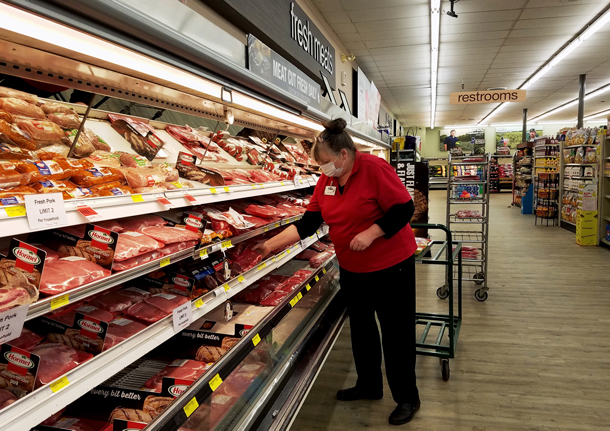
The coronavirus has affected nearly all elements of the US economy, including food supplies. Michael Pollan, author of The Omnivore’s Dilemma and other books, says food shortages and massive food dumping during the COVID-19 pandemic expose major vulnerabilities in the American food supply chain. Pollan discusses with Host Steve Curwood how the pandemic presents a strong case for deindustrializing the food system.
The Rule of Five: Making Climate History at the Supreme Court
29 min read · 38 min listen
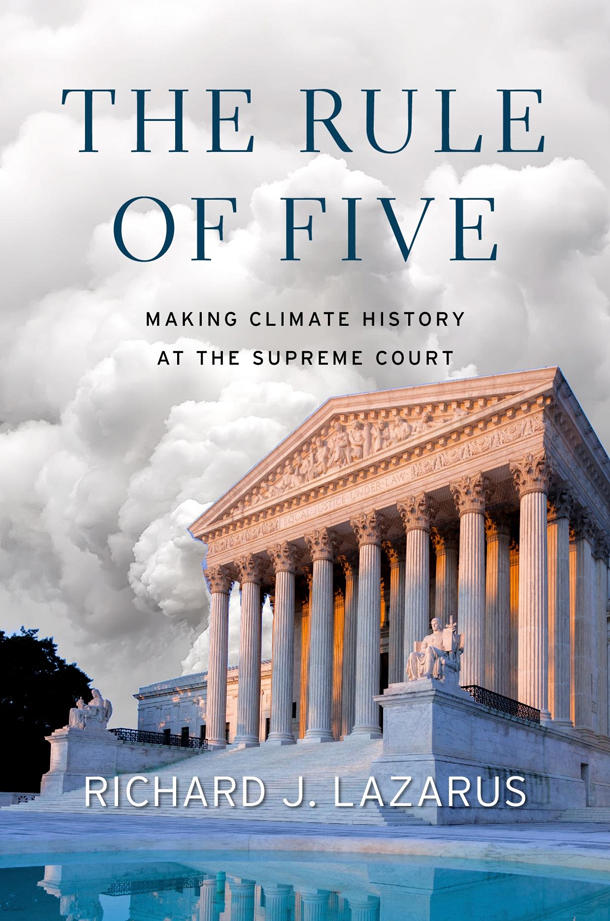
Against long odds, in 2007 the United States Supreme Court decided the case Massachusetts v. EPA in favor of the states and environmental groups that had sought regulation of climate disrupting emissions. The case had enormous implications for environmental law, and it laid the legal groundwork for the Obama administration’s climate change policies as well as the global Paris Climate Accord. Harvard Law Professor Richard Lazarus, the author of the new book “The Rule of Five: Making Climate History at the Supreme Court,” discusses with Host Steve Curwood the gripping behind-the-scenes story of how Massachusetts v. EPA made it all the way to the Supreme Court.