Living on Earth: May 29th, 2020
Air Date: May 29, 2020
2020 is likely to be the warmest on record and the Atlantic hurricane season is predicted to be worse than average with three or more extremely dangerous storms. Should those storms come ashore FEMA, the US agency responsible for disaster recovery and response, is at risk of being overwhelmed as it already has to handle the novel coronavirus pandemic, and a backlog from past storms, wildfires and floods. For more on the intersection between storm response and COVID-19, Host Steve Curwood talks with Rachel Cleetus, Lead Economist and Policy Director for the Climate and Energy Program at the Union of Concerned Scientists.
Beyond the Headlines
5 min read · 6 min listen

This week, Environmental Health News weekend editor Peter Dykstra and Host Steve Curwood discuss how stagnant plumbing may pose a health risk as public buildings that had been shut down during the pandemic reopen. Also, it’s now easier for people in urban areas to hear bird songs, as noise pollution has decreased due to the pandemic. And in environmental history, they discuss the 50th anniversary of the peregrine falcon, the brown pelican, and the leatherback sea turtle joining the endangered species list.
Climate and Marine Disease
4 min read · 6 min listen
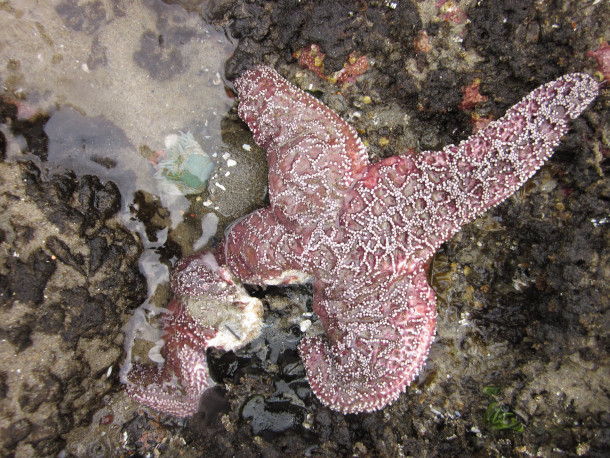
Climate disruption is wreaking havoc on the oceans of the world and the creatures that live there, including sea stars and salmon. Kori Suzuki reports.
Hurricanes and COVID-19
8 min read · 11 min listen
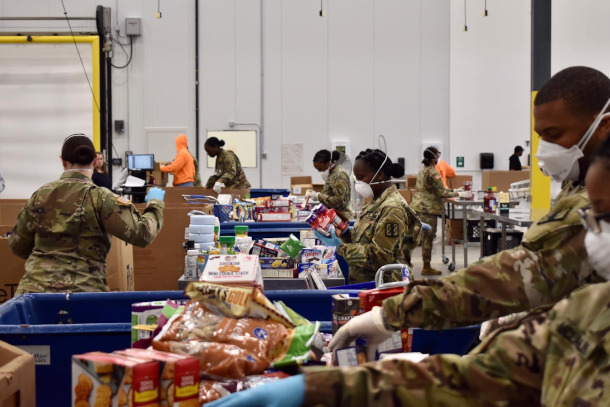
2020 is likely to be the warmest on record and the Atlantic hurricane season is predicted to be worse than average with three or more extremely dangerous storms. Should those storms come ashore FEMA, the US agency responsible for disaster recovery and response, is at risk of being overwhelmed as it already has to handle the novel coronavirus pandemic, and a backlog from past storms, wildfires and floods. For more on the intersection between storm response and COVID-19, Host Steve Curwood talks with Rachel Cleetus, Lead Economist and Policy Director for the Climate and Energy Program at the Union of Concerned Scientists.
Outdoor Learning Safer in the Pandemic
10 min read · 13 min listen
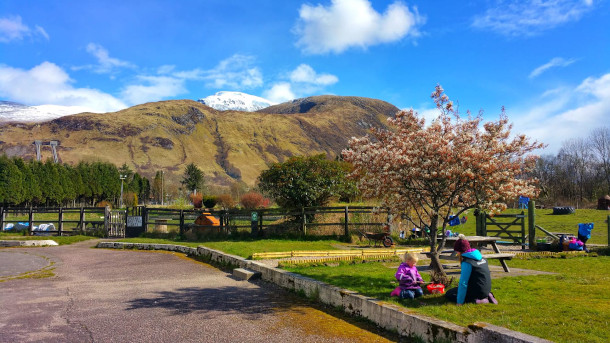
As schools and pre-schools prepare to reopen, some educators are considering the benefits of outdoor learning to help lower the risk of Covid-19 transmission. In Scotland, nature-based preschools were already popular before the pandemic. Cameron Sprague, a team leader at nature-based Stramash nursery school in Fort William, Scotland, spoke with Living on Earth’s Bobby Bascomb about how he and his fellow educators incorporate outdoor learning into their preschool curriculum, and the many benefits of outdoor education.
The Pear Tree
2 min read · 3 min listen
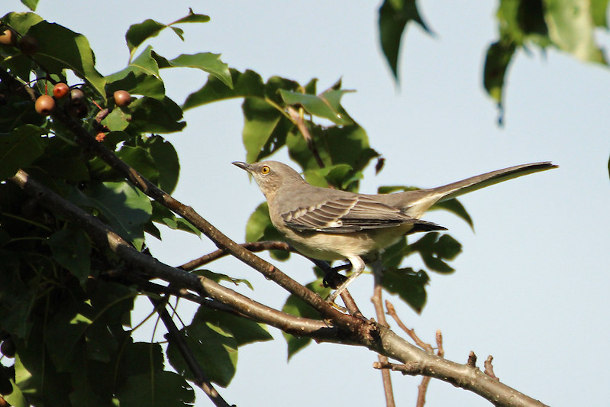
Writer Jennifer Berry reflects on the wonders of a pear tree from her pre-pandemic life. Warblers, mockingbirds, and cedar waxwings are just a few of the creatures that find a feast in an old yet fruitful pear tree.
Why Fish Don’t Exist
15 min read · 20 min listen
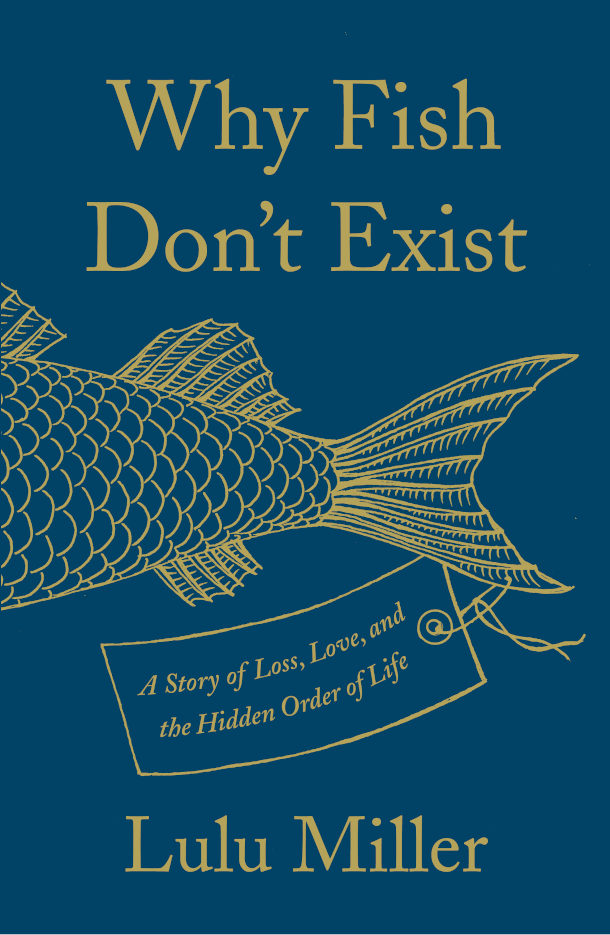
Fish scientist David Starr Jordan discovered thousands of new fish species around 1900, and kept going even as he faced repeated disasters that threatened to obliterate his life’s work. His stubborn optimism is the springboard for science journalist Lulu Miller’s new book, “Why Fish Don’t Exist”, and the search for order in a cold, chaotic world. Lulu Miller and Host Steve Curwood discuss what her journey into science and the past uncovered about the astonishing life of David Starr Jordan.