Living on Earth: July 31st, 2020
Air Date: July 31, 2020
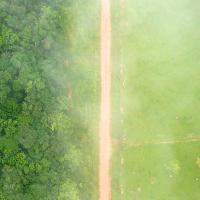
COVID-19 is just one in a line of numerous diseases that have spilled over from animals to the human population, often thanks to deforestation and the wildlife trade bringing infected wildlife close to humans. With the COVID-19 pandemic alone estimated to cost several trillions of U.S. dollars, a new study suggests that spending just a tiny fraction of that to curb deforestation and the wildlife trade could prevent another costly pandemic. Coauthor Aaron Bernstein MD of the Harvard T.H. Chan School of Public Health joins Living on Earth's Bobby Bascomb to talk about the costs and benefits of preventing future so-called zoonotic disease outbreaks.
Beyond the Headlines
5 min read · 7 min listen
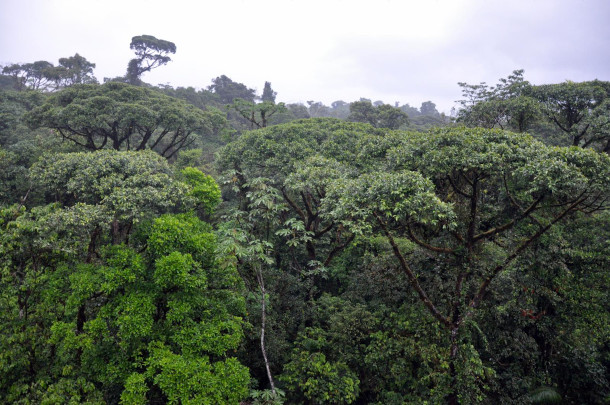
This week, Environmental Health News weekend editor Peter Dykstra talks with Host Steve Curwood about how Costa Rica brought its forests back to life with aggressive measures to protect public lands, and incentives for landowners to convert from logging to participating in ecotourism. They also discuss how California is urging Uber, Lyft, and other rideshare companies to significantly decrease greenhouse gas emissions by transitioning to mostly electric cars by 2030. In environmental history, Peter explains McDonalds’ 1990 agreement with the Environmental Defense Fund to stop using Styrofoam packaging for its burgers.
Parktracks: Sounds of the Kiowa Nation Buffalo Songs
1 min read · 1 min listen
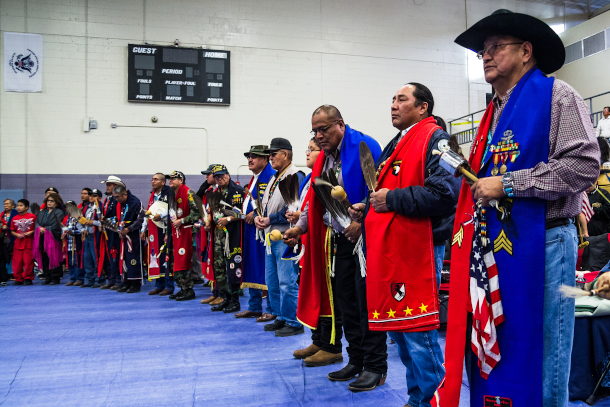
The Natural Sounds and Night Skies Division of the National Park Service has compiled hundreds of sounds from parks all over the country. In this recording, members of the Kiowa Nation of the southern Great Plains sing traditional Buffalo Songs.
Race and the Nature Gap
8 min read · 10 min listen
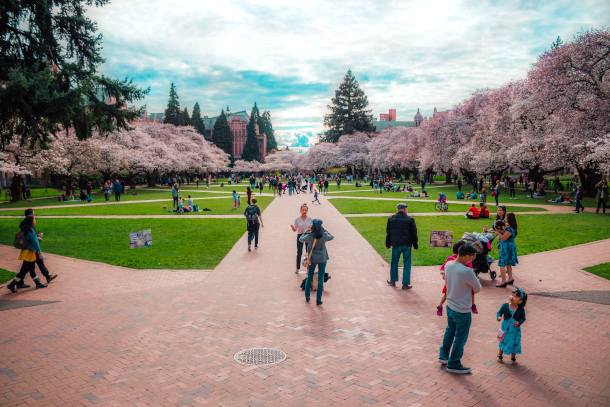
Americans of color experience nature deprivation at three times the rate of white Americans, according to a new report from the Center for American Progress. Jenny Rowland-Shea is lead author of the report and talks with Host Steve Curwood about how systemic racism has limited access to nature for Black Americans in particular, and how conservation and sensitive planning can help narrow the nature gap.
Saving Forests Could Save Us from Diseases
14 min read · 19 min listen
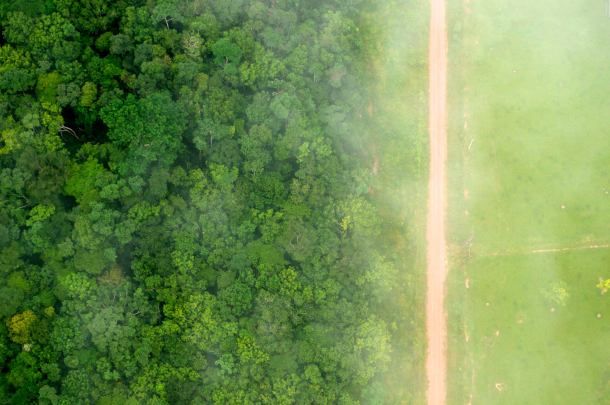
COVID-19 is just one in a line of numerous diseases that have spilled over from animals to the human population, often thanks to deforestation and the wildlife trade bringing infected wildlife close to humans. With the COVID-19 pandemic alone estimated to cost several trillions of U.S. dollars, a new study suggests that spending just a tiny fraction of that to curb deforestation and the wildlife trade could prevent another costly pandemic. Coauthor Aaron Bernstein MD of the Harvard T.H. Chan School of Public Health joins Living on Earth's Bobby Bascomb to talk about the costs and benefits of preventing future so-called zoonotic disease outbreaks.
Systemic Racism and Green Groups
15 min read · 19 min listen
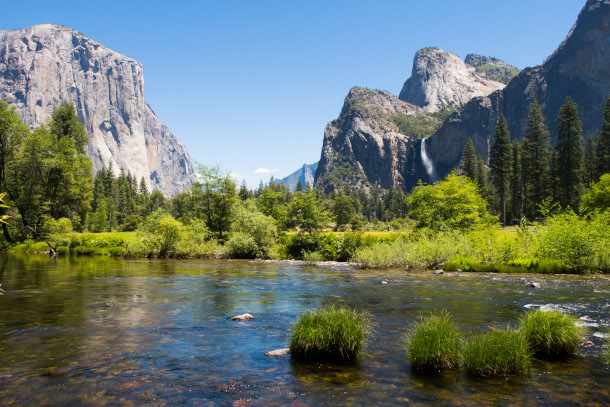
The environmental movement in America has deep ties to the nation’s history of systemic racism and white supremacy. Now, as Americans confront racial injustice anew, powerful green groups like the Sierra Club are beginning to reckon with their own histories of hate and exclusion. Washington Post Environment Reporter Darryl Fears joins Host Steve Curwood to discuss this moment of reflection within the environmental movement.