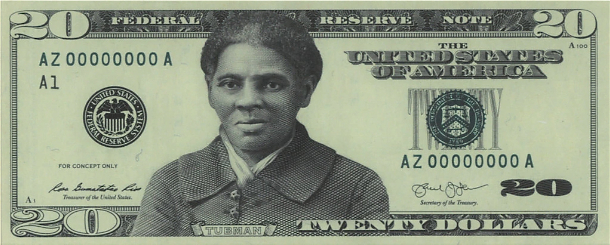
In Honor of Black History Month: Harriet Tubman and the Barred Owl
Air Date: February 12, 2021
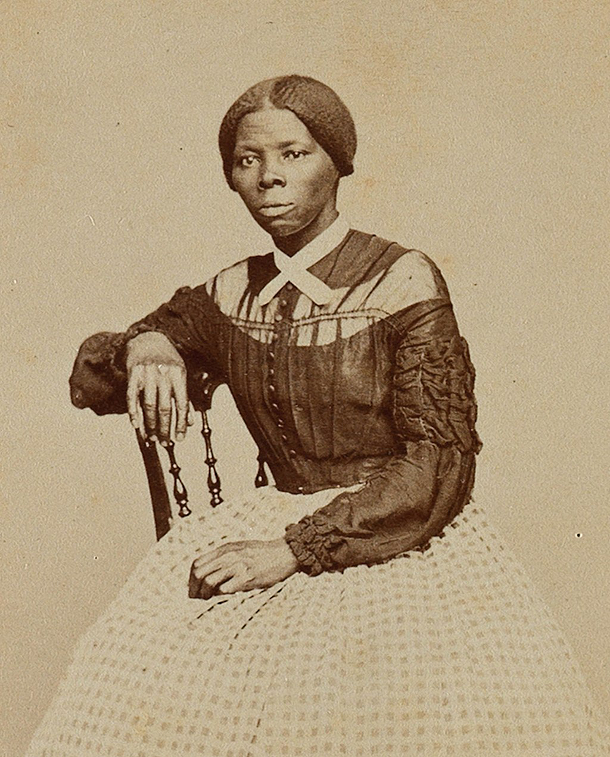
As a conductor on the Underground Railroad, Harriet Tubman led some 70 people out of bondage, through woods and wetlands she knew well. Host Steve Curwood describes how Ms. Tubman used local bird calls including that of the Barred Owl to signal an all-clear to freedom seekers without attracting the attentions of slave catchers.
Transcript
CURWOOD: And the barred owl also features in the story of the renown anti-slavery activist and underground railroad conductor, Harriet Tubman, a story we’d like to recall now during Black History month. Born in 1822 or so, Harriet Tubman escaped from slavery near Cambridge on the Eastern Shore of Maryland in 1849 to the free state of Pennsylvania, just a hundred miles way. She returned some 13 times to guide another 70 or so people out of bondage. Her knowledge of the woods and wetlands near Chesapeake Bay and its creatures was crucial to her success.
NATURAL SOUNDS OF THE REGION
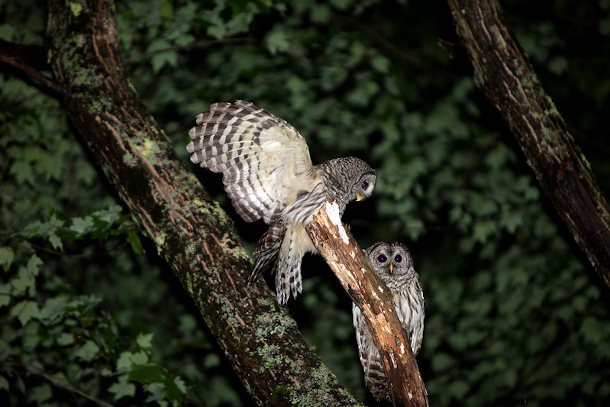
CURWOOD: Famously she used bird calls to alert freedom seekers if it was safe or not to proceed. To signal it was ok to slip away and join her, she would hoot like a Barred Owl.
BARRED OWLCALL
CURWOOD: Barred Owls like to roost in big trees near the water and typically hunt at night, so a person imitating one could blend in with nighttime sounds without raising suspicion. The cover of night and the light of the North Star combined to help Ms. Tubman guide her passengers on the underground railroad, and she fed and cared for them using her knowledge about medicinal and edible plants. Later during the Civil War, in the only such action by a woman that’s recorded, Harriet Tubman led a Union raid up the Combahee River in South Carolina that liberated some 750 slaves. She was also an activist for women’s voting rights and lived to 90 years of age. These days the Biden Administration is working to put Harriet Tubman on the front of the 20 dollar bill and perhaps move a statue of Andrew Jackson to the back.
BARRED OWL CALL
And maybe the Treasury Department should also consider having a barred owl join the Federal Reserve eagle.