
Living on Earth: March 12th, 2021
Air Date: March 12, 2021
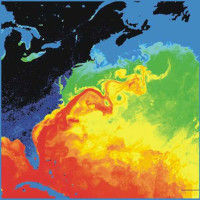
The climate in North America and Europe depends on tropical heat circulated by a massive system of currents in the Atlantic Ocean. But ice cores and sediments show that the Gulf Stream and other parts of this circulation are now the weakest they have been in more than a thousand years. Stefan Rahmstorf, study co-author and professor of Physics of the Oceans at Potsdam University joins Living on Earth’s Jenni Doering to discuss what slowing Atlantic Ocean currents could mean for the future of life in the region.
30x30 To Save Species
10 min read · 14 min listen
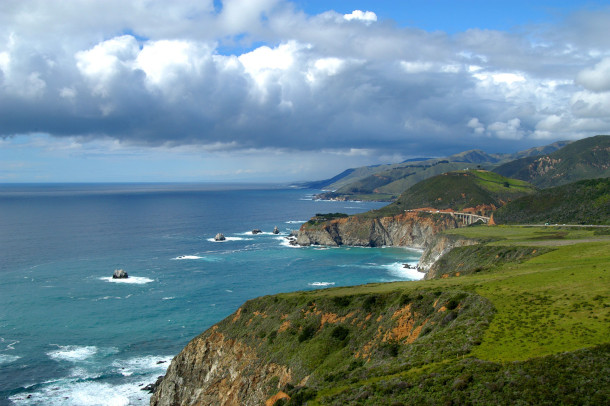
President Joe Biden has set an official goal of protecting 30% of US land and ocean for conservation by 2030, on the way to preserving 50% by 2050. This echoes similar pledges by dozens of governments around the globe. Brett Hartl, the Government Affairs Director for the Center for Biological Diversity, joins Host Bobby Bascomb for more.
Beyond the Headlines
5 min read · 6 min listen
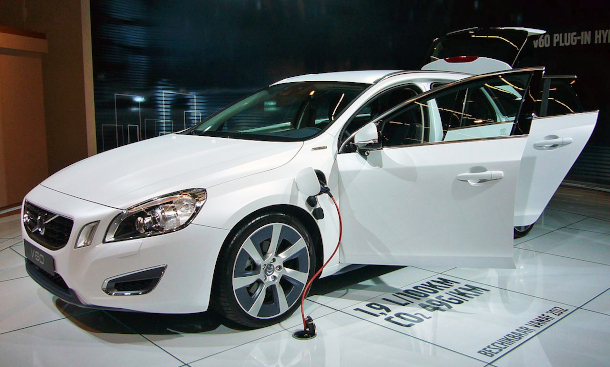
For this week’s Beyond the Headlines segment, Environmental Health News Editor Peter Dykstra and Host Steve Curwood look at Volvo forging ahead with a commitment to go all-electric by 2030. Next, they discuss how smoke from the devastating California wildfires can irritate the lungs, increasing the risk of contracting more severe cases of COVID-19. They then turn back to March 1971, when the U.S. Army Corps of Engineers undertook an ill-conceived project to channelize the Kissimmee River in Florida.
Protecting Badger-Two Medicine And The Grand Canyon
5 min read · 7 min listen
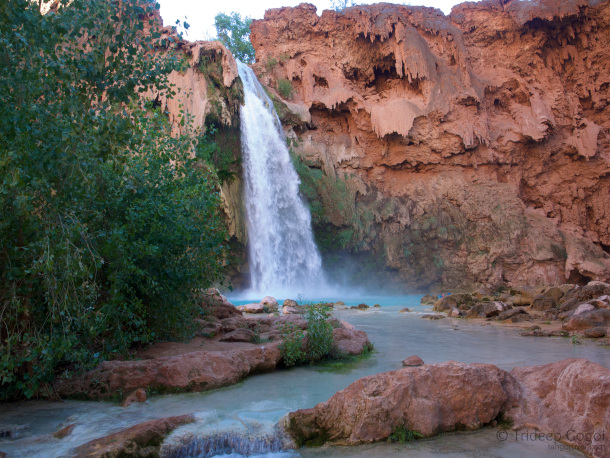
Two legislative efforts that were already underway before the Biden Administration came into office are the Badger-Two Medicine Protection Act and the Grand Canyon Protection Act. Both aim to protect the land from oil extraction and uranium mining, as well as the sacred lands and cultures and of the people who have lived there for thousands of years. Host Bobby Bascomb and Living on Earth’s Paloma Beltran discuss the status of the legislation in Congress and what’s at stake.
Regenerative Farming for Soil Health
9 min read · 12 min listen
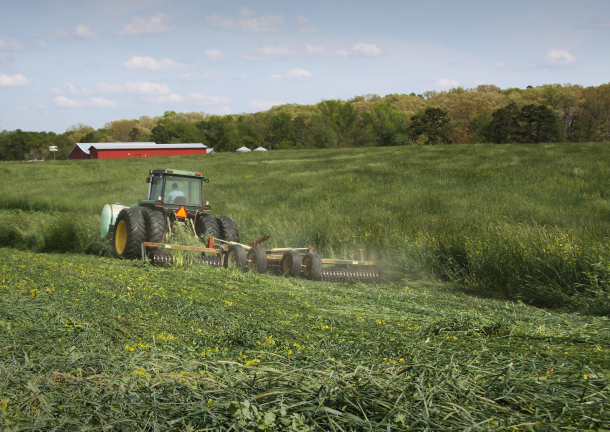
Regenerative agriculture practices that store carbon in the soil are a “win-win-win” for farmers, the economy and the environment, say advocates who claim widespread adoption of no-till, cover cropping, and other practices could perhaps store as much carbon as the global transportation sector emits every year. Nicole Lederer, co-founder of Environmental Entrepreneurs or E2, joins Host Steve Curwood to discuss the connection between healthy soils, the climate, and the economy.
Regenerative Farming In Action
6 min read · 8 min listen
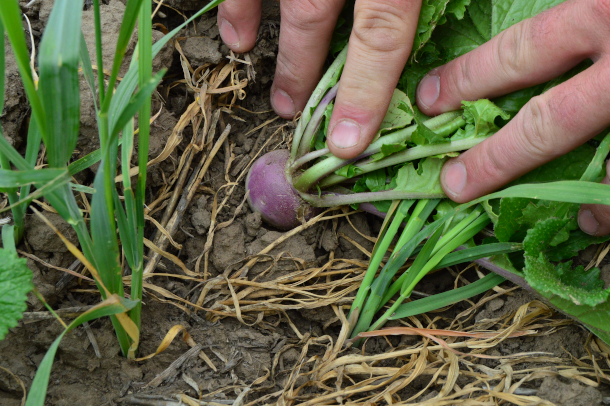
Regenerative agriculture can help grain farmers and viticulturists alike cope with the chaos climate disruption is bringing to their growing seasons. Rachel McDevitt of StateImpact Pennsylvania reports on the practices that build soil health and help sequester carbon.
Warming Planet Slows Ocean Currents
8 min read · 10 min listen
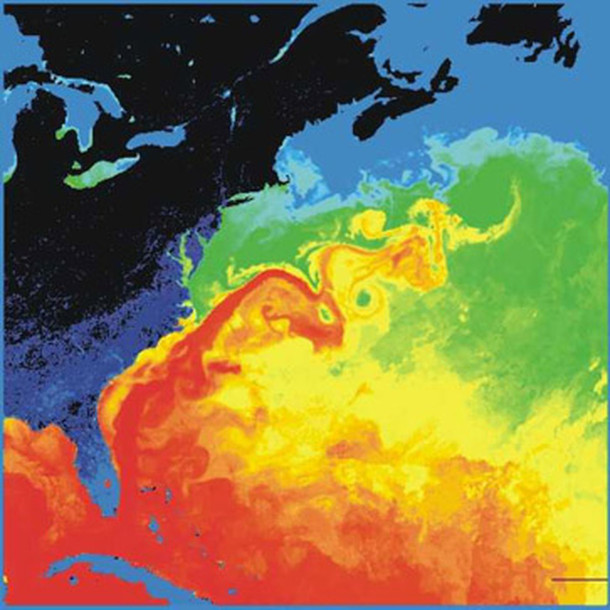
The climate in North America and Europe depends on tropical heat circulated by a massive system of currents in the Atlantic Ocean. But ice cores and sediments show that the Gulf Stream and other parts of this circulation are now the weakest they have been in more than a thousand years. Stefan Rahmstorf, study co-author and professor of Physics of the Oceans at Potsdam University joins Living on Earth’s Jenni Doering to discuss what slowing Atlantic Ocean currents could mean for the future of life in the region.