
Living on Earth: March 26th, 2021
Air Date: March 26, 2021
The first broad study of all greenhouse gases in the Amazon rainforest reveals that on balance the damaged ecosystem is now a net contributor to climate change. Part of the problem comes from local damaging activities like logging, dam-building, and cattle ranching. But planet-wide warming is also disrupting the water cycles in the Amazon, intensifying floods and drought that create more greenhouse gases and further decrease the ecosystem's ability to capture and store carbon emissions. Lead author and professor at Skidmore College, Kristofer Covey, joins Host Steve Curwood to explain the study.
Belo Monte Dam Disrupts Amazon Floodplain Balance
11 min read · 14 min listen
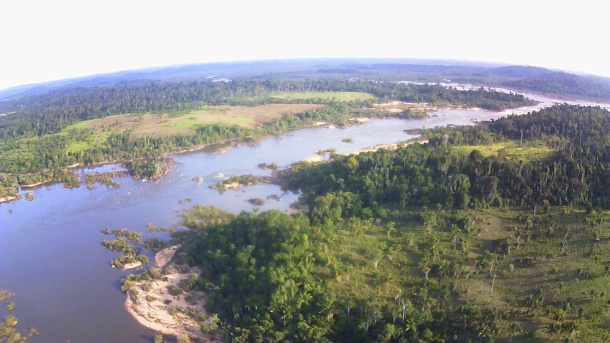
In a bid to boost electricity production, the operator of the Belo Monte dam on the Xingu River in the eastern Amazon rainforest is drastically reducing river flows for at least a year. Scientists say this will disrupt flood-dependent ecosystems as well as the indigenous communities in the area. Reporter Tiffany Higgins covered this for the news site Mongabay and joins Host Bobby Bascomb to discuss.
Beyond the Headlines
4 min read · 6 min listen
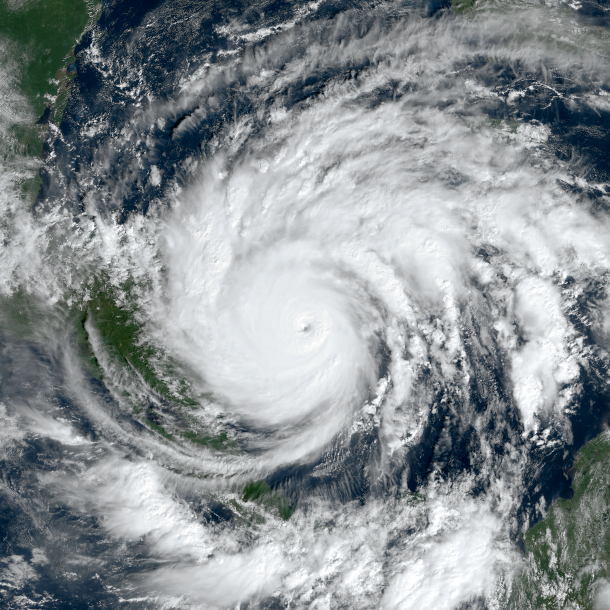
This week, Environmental Health News Editor Peter Dykstra and Host Steve Curwood go behind the headlines to discuss the recent decision to retire the use of Greek letters as a way of identifying Atlantic hurricanes. Next, they highlight the appointment of Jane Lubchenco, former head of NOAA, to a climate advisory role in the Biden White House. They also discuss Florida’s new law that bans the private ownership of 16 invasive reptile species. Finally, they look back to March 28, 2001 and then-President George W. Bush’s decision not to sign the Kyoto Protocol.
Damaged Amazon Adds to Global Warming
11 min read · 15 min listen
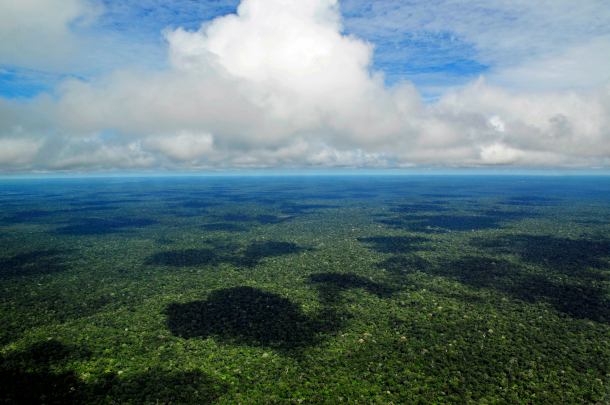
The first broad study of all greenhouse gases in the Amazon rainforest reveals that on balance the damaged ecosystem is now a net contributor to climate change. Part of the problem comes from local damaging activities like logging, dam-building, and cattle ranching. But planet-wide warming is also disrupting the water cycles in the Amazon, intensifying floods and drought that create more greenhouse gases and further decrease the ecosystem's ability to capture and store carbon emissions. Lead author and professor at Skidmore College, Kristofer Covey, joins Host Steve Curwood to explain the study.
Horse of a Different Color
2 min read · 3 min listen
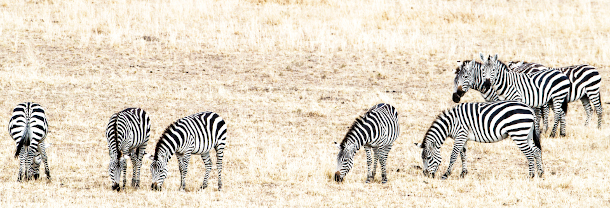
Living on Earth's Explorer-in-Residence Mark Seth Lender shares his appraisal of an artistic herd of zebras in Maasai Mara National Reserve in Kenya.
Not Just Maple Syrup: Birch, Beech and Other Sappy Trees
5 min read · 7 min listen
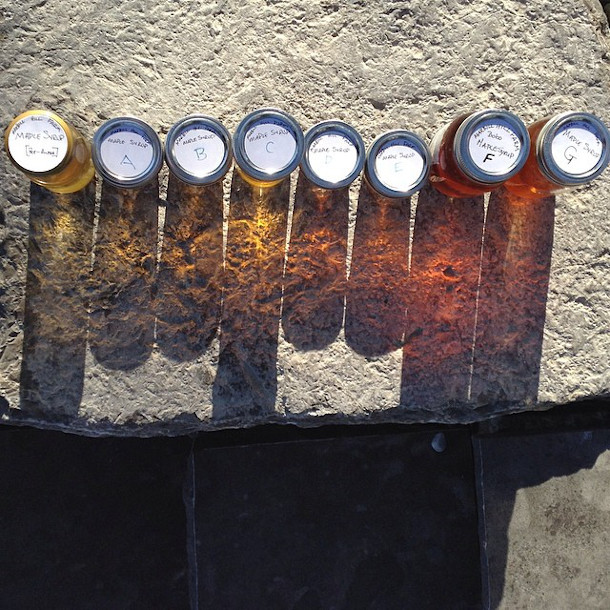
It’s maple syrup season, but sugar maples aren’t the only sappy trees that can be tapped to make syrup. Host Bobby Bascomb visits syrup producer David Moore in New Hampshire to taste and learn about syrups made from birch, beech, walnut, and other trees.
Prehistoric Magnetic Flip Shook Up Life on Earth
11 min read · 14 min listen
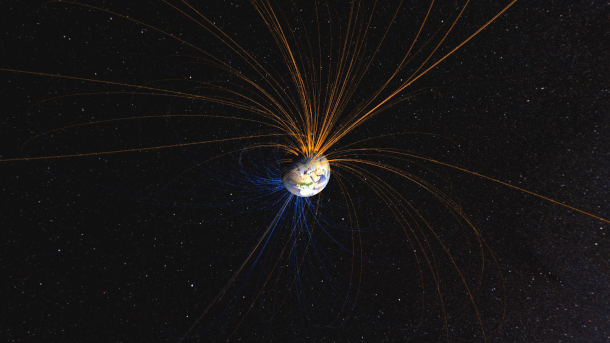
Earth’s magnetic poles wander around and flip every now and then, and now scientists have evidence for how these flips impact life on Earth. Carolyn Gramling wrote about the research for Science News and joins Host Bobby Bascomb to talk about how a magnetic pole reversal about 41,000 years ago is linked to megafauna extinctions, climatic changes, and even a rise in ancient cave art.
