Living on Earth: May 21st, 2021
Air Date: May 21, 2021
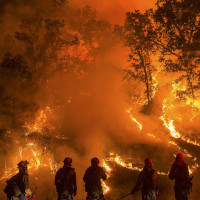
The US Environmental Protection Agency recently unveiled an updated set of climate change indicators after a four-year gap under the Trump administration. These data, collected by other government agencies and compiled on the EPA’s website, range from coastal flooding and wildfires, to longer allergy seasons. Senior climate scientist at the Union of Concerned Scientists Kristina Dahl joins Host Bobby Bascomb to discuss what this climate resource means for policymakers and local communities alike.
Beyond the Headlines
5 min read · 6 min listen
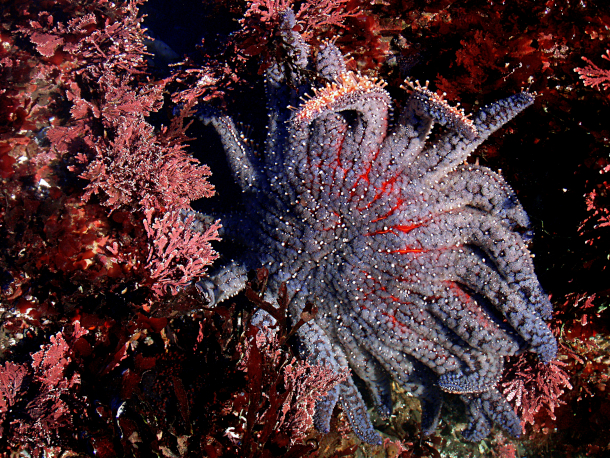
For this week's trip beyond the headlines, Host Bobby Bascomb and Environmental Health News editor Peter Dykstra discuss a successful attempt to raise an endangered starfish in captivity. Then, the two look at Canada's choice to officially declare all plastics as toxic. Finally, looking back on a massive waterway project to the Gulf of Mexico that never paid off.
Brood X Emerges!
11 min read · 14 min listen
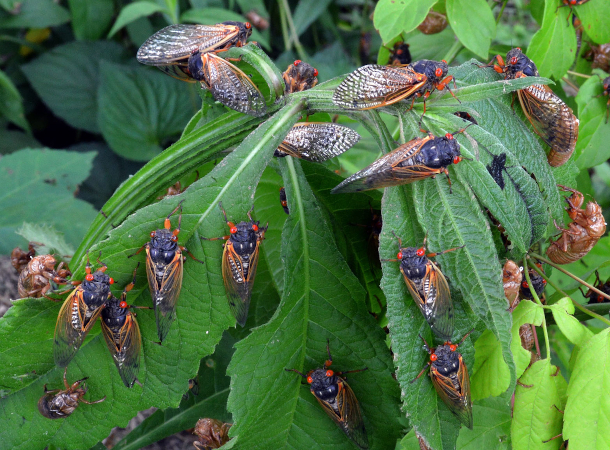
Brood X is here at last: trillions of cicadas, underground for the last 17 years, are burrowing up through the soil and emerging in numerous Eastern and Midwestern states to transform, sing, and mate. Professor Gene Kritsky of Mount St. Joseph University joins Host Bobby Bascomb to explain the music of cicadas and the ecological benefits they bring.
Cicada Cuisine
8 min read · 10 min listen

Eating cicadas isn’t just for the birds: they’re also perfectly edible for humans. In fact, insects are rich in proteins and nutrients while having a much smaller carbon footprint than meat. Joseph Yoon is a chef and founder of Brooklyn Bugs, which specializes in insect cuisine. He joins Host Bobby Bascomb to show how to cook a Forbidden Rice Bowl that features seasonal spring produce and, of course, cicadas.
EPA Updates Signs of Climate Change
7 min read · 10 min listen
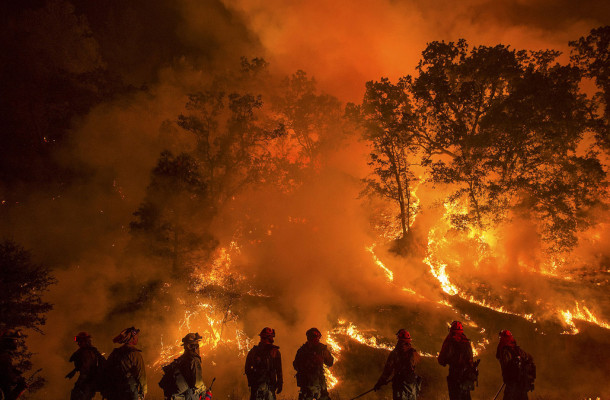
The US Environmental Protection Agency recently unveiled an updated set of climate change indicators after a four-year gap under the Trump administration. These data, collected by other government agencies and compiled on the EPA’s website, range from coastal flooding and wildfires, to longer allergy seasons. Senior climate scientist at the Union of Concerned Scientists Kristina Dahl joins Host Bobby Bascomb to discuss what this climate resource means for policymakers and local communities alike.
“Fight Card”: Elk at Jasper National Park in Alberta, Canada
3 min read · 4 min listen
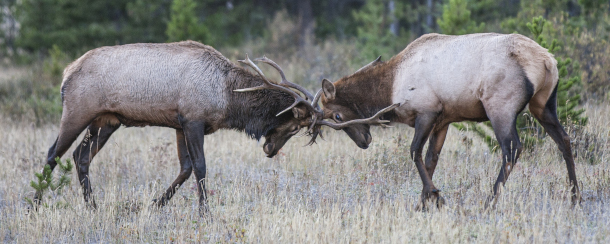
A big bull elk can grow to more than 5 feet tall at the shoulders. Add in another 4 feet for antlers and the thousand-pound animals can be an intimidating sight, especially for the younger male elk looking to replace them. Living on Earth’s Explorer in Residence Mark Seth Lender has more.
Rescuing the Planet
10 min read · 13 min listen
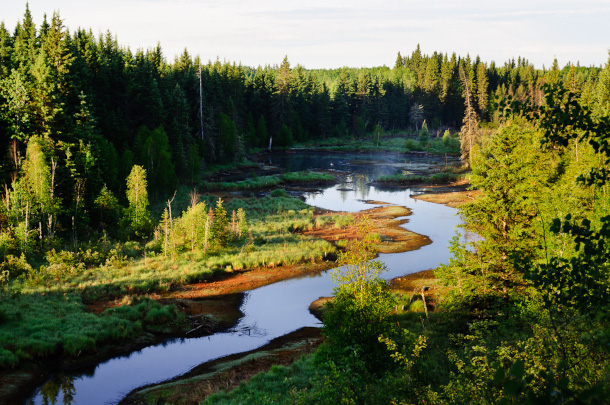
Climate change is placing stress on plants and animals to rapidly adapt but without intact habitat, that could become impossible for many. Tony Hiss is an award-winning author and joins Host Bobby Bascomb to talk about his book Rescuing the Planet: Protecting Half the Land to Heal the Earth, which looks at several places across North America where communities are already working to protect habitat and biodiversity.
The Beekeepers of Ancient Egypt
13 min read · 17 min listen
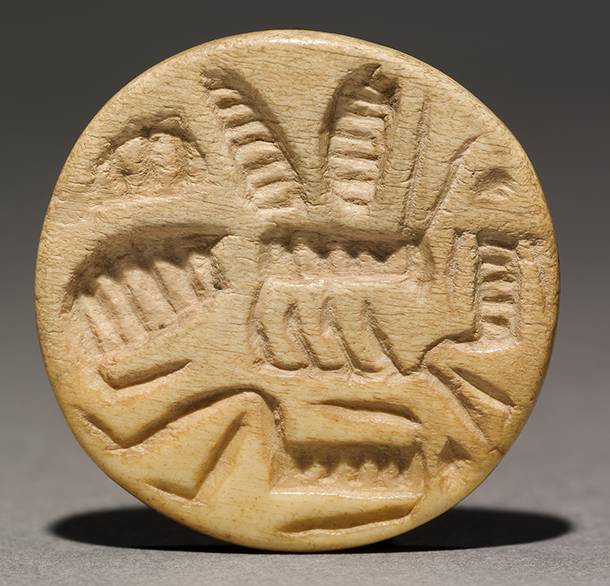
Professor Gene Kritsky of Mount St Joseph’s University is an entomologist, but his latest book is a historical look at beekeeping in ancient Egypt. Professor Kritsky discusses honey, hives, and hieroglyphs with Living on Earth’s resident beekeeper Helen Palmer.