
Climate and the California Recall
Air Date: August 27, 2021
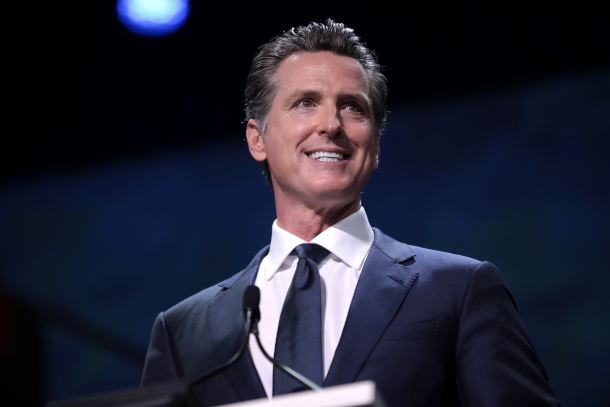
The upcoming recall election for California Governor Gavin Newsom, who is aggressively pursuing climate action, could result in a climate change-denying candidate becoming Governor. Co-hosts Jenni Doering and Aynsley O’Neill talk about how the unusual rules for California recall elections could impact climate policy in the state and beyond.
Transcript
DOERING: And Aynsley, while judges decide these climate questions on a federal level, voters in California are deciding the future for Democratic Governor Gavin Newsom, and by proxy, the future for climate policy in the Golden State.
O’NEILL: Oh, what’s going on there?
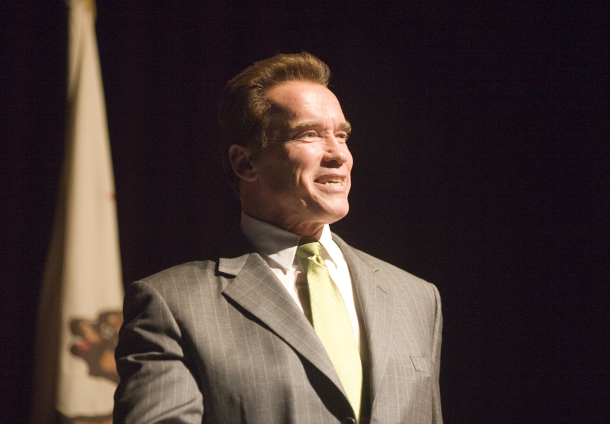
DOERING: Well, Governor Newsom, who’s aggressively pursuing climate action, is facing a recall election on September 14th, partly over the pandemic restrictions he’s put in place. Democratic voters outnumber Republicans 2 to 1 in the state but because of its unusual rules for recalls, the GOP sees this as the best chance for ousting a Democratic governor.That’s how Republican Arnold Schwarzenegger went “Total Recall” on Governor Gray Davis in 2003 to become “The Governator”.
O’NEILL: Haha, wait, what kind of strange rules does California have that gave rise to the Governator?
DOERING: Well, the ballot asks two questions: First, should Governor Newsom be recalled, yes or no? A simple majority will decide his fate. And so far, polls put the Governor with a slim lead, but it’s within the margin of error, so it’s close.
O’NEILL: Ok, that doesn’t seem too odd so far.
DOERING: No, but here’s the thing: if he should lose, the second question asks voters to pick his successor and there are 46 candidates on the ballot. Of them, whoever gets the most votes would become the next Governor of California, even someone who earns just a few percent.
O’NEILL: Ah ha… well, what do we know about the climate records for the candidates who are leading in the polls?
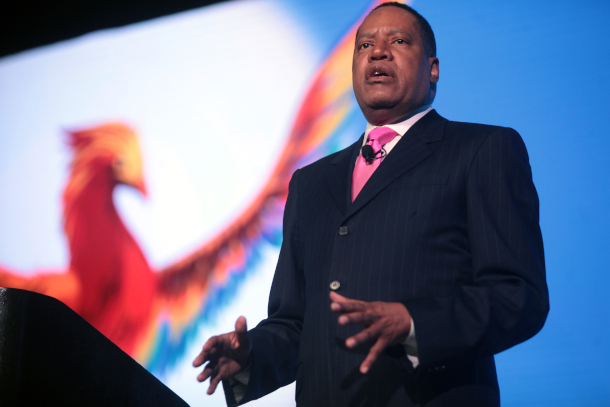
DOERING: Well, frontrunner Larry Elder, a Republican, has called the climate crisis “a crock”. Also polling well is moderate Democrat Kevin Paffrath, a real estate agent who supports expanding solar and wind. There’s also John Cox, a Republican businessman who says climate change is real, but not necessarily all bad, especially for agriculture.
O’NEILL: Plenty of scientists would disagree with that, of course. And Governor Newsom, in contrast, has taken some big steps to address the climate crisis, right?
DOERING: Yeah, he put 14 billion dollars towards climate initiatives in the latest state budget, far more than many states, and he’s steering California towards an end to gas car sales by 2035. And, those investments can have a huge impact. If it were an independent nation California would have the world’s fifth largest economy. So, what happens in California on these issues can ripple beyond the state. And regardless of the outcome, some will see this as a referendum on climate. Whatever happens in this race, we’ll be sure cover it after the election on September 14th.
O’NEILL: Sounds good, thanks Jenni.
