Living on Earth: November 19th, 2021
Air Date: November 19, 2021
The bipartisan infrastructure bill sets aside $1.2 trillion dollars in funding for clean water, bridges, and roads, as well as higher-tech infrastructure like EV charging stations and electric school buses. Joseph Kane, a labor economist at the Brookings Institution, joins Host Steve Curwood to talk about how the implementation of these projects needs to focus on creating equitable and sustainable systems that will last for generations.
A Generational Investment
11 min read · 14 min listen
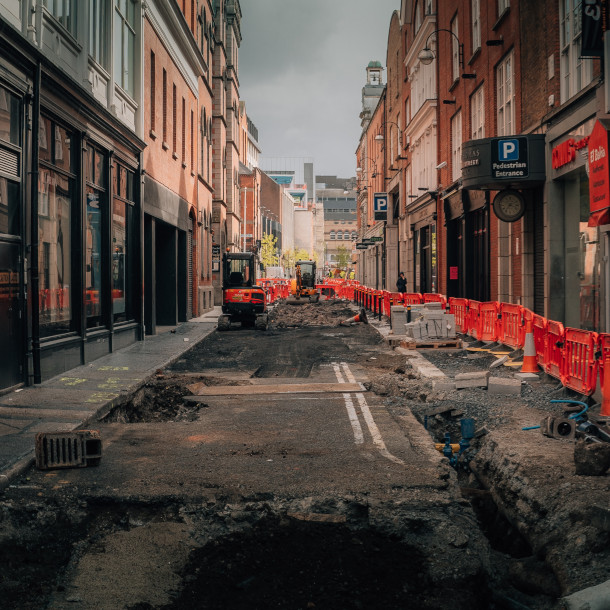
The bipartisan infrastructure bill sets aside $1.2 trillion dollars in funding for clean water, bridges, and roads, as well as higher-tech infrastructure like EV charging stations and electric school buses. Joseph Kane, a labor economist at the Brookings Institution, joins Host Steve Curwood to talk about how the implementation of these projects needs to focus on creating equitable and sustainable systems that will last for generations.
Beyond the Headlines
4 min read · 5 min listen
This week, Environmental Health News Editor Peter Dykstra joins Host Bobby Bascomb to talk about a potential “carbon bomb” in the form of a court-ordered oil and gas lease sale in the Gulf of Mexico, and an island in the Chesapeake Bay being doomed by rising sea levels. And in history: an anniversary of Alfred Nobel’s patent for dynamite.
Little Progress at COP26
12 min read · 15 min listen
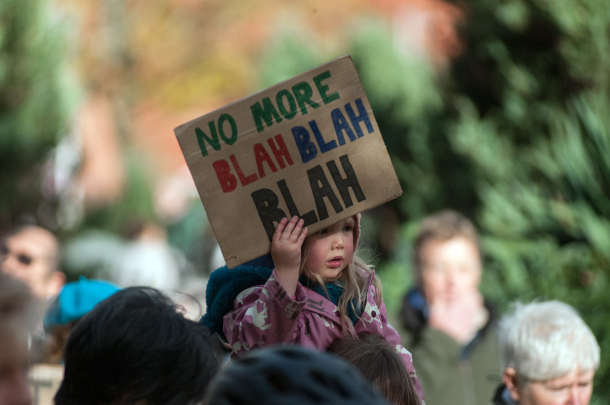
The COP26 climate talks in Glasgow, Scotland brought mixed results with an agreement to phase down coal, side agreements to cut methane emissions and a rulebook for international carbon trading markets. But there was little progress in efforts to help developing countries cope with the effects of climate change and the talks were widely criticized for their lack of inclusivity. Most importantly, COP26 failed to establish a fully credible path to limit global warming to 1.5 degrees Celsius. Alden Meyer, a Senior Associate at the think tank E3G, joined Host Steve Curwood to discuss the outcomes of COP26 and look ahead at what's left to be done.
The Seed Keeper
14 min read · 18 min listen
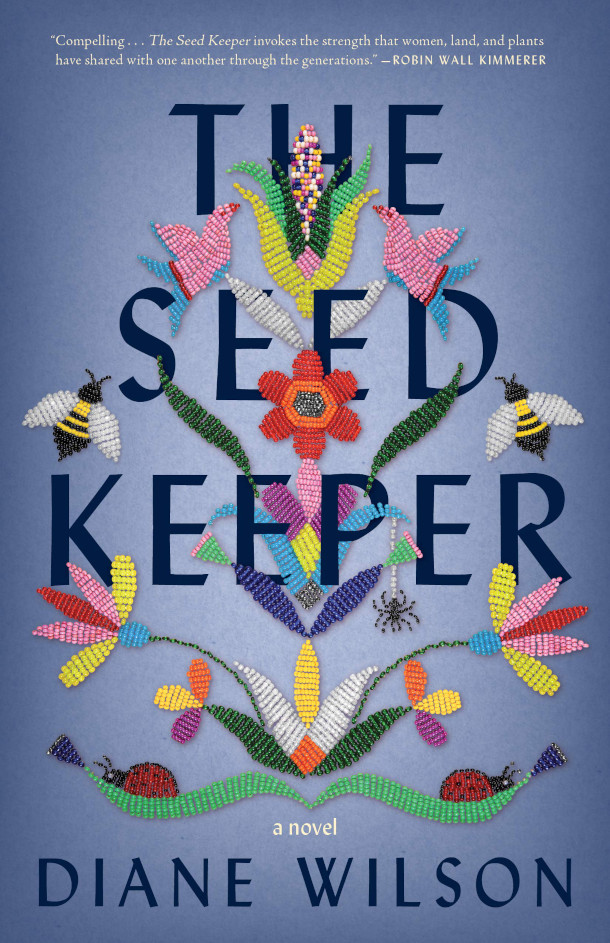
For many Native American communities, seeds are living and life-giving organisms which should be carefully kept and cherished. But because of industrial agriculture and monocropping, more than 90% of our seed varieties have disappeared in the last century. The Seed Keeper is a novel that relays the importance of seed keeping across 4 generations of Dakota women who have experienced austerity and discrimination through war and American Indian residential schools. Diane Wilson is an award-winning author and the Executive Director for the Native American Food Sovereignty Alliance and she joined Host Bobby Bascomb to discuss The Seed Keeper.
Three Sisters Stew for a Plant-Based Feast
6 min read · 8 min listen
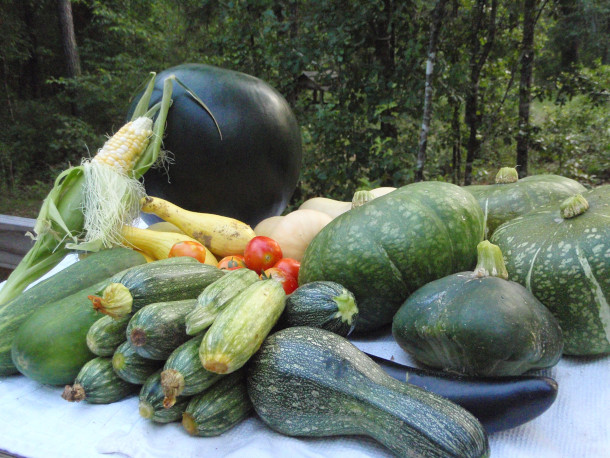
The Three Sisters are a trio of staple crops that have played a fundamental role in numerous Native American tribes throughout history. The corn, beans, and squash all grow together in a symbiotic planting relationship. Chef Steven Looney talks with Host Steve Curwood about the history and significance of these crops and suggests some recipes from his Chickasaw heritage.